
In an era where borders blur and influence transcends geography, a new form of currency is quietly reshaping the balance of power: the passport-by-investment. More than just a travel document, it has evolved into a key that unlocks global opportunities, networks, and privileges-often circumventing traditional diplomatic channels. As governments increasingly leverage this tool to attract wealth and reshape their international standing, a complex web of benefits and controversies emerges. But beneath the surface lies a truth that many officials would prefer remains hidden. This article delves into the rise of passport-by-investment programs, exploring why they have become the new global currency of influence and revealing the discreet tensions these initiatives ignite behind closed doors.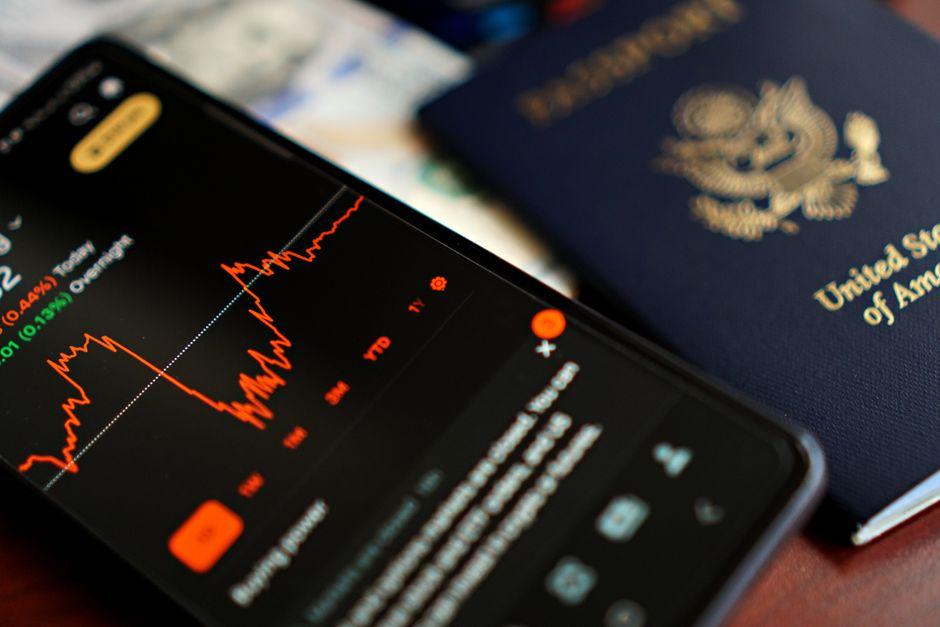
The Illusion of Instant Power Behind Passport-by-Investment Programs
At first glance, passport-by-investment programs appear to offer instant access to a new realm of global mobility and prestige, but this perception glosses over critical complexities. The notion of “instant power” is misleading because citizenship-no matter how expedited-does not automatically translate into influence or security. While the allure of visa-free travel and perceived elite status is real, it often comes with hidden trade-offs such as rigorous scrutiny, temporary restrictions, and the potential for geopolitical backlash. Investors frequently underestimate that holding a second passport is a means to an end, not an end in itself, especially as countries recalibrate their diplomatic stances and tighten control over citizenship schemes under pressure from international watchdogs.
Moreover, not all passports granted via investment are created equal, resulting in stark discrepancies in practical benefits. Governments leveraging these programs prioritize short-term economic gains, sometimes at the expense of long-term national reputation. This creates a paradox: citizens gain access to advantages, but those advantages may erode as regulatory vulnerabilities and international skepticism mount. For a more strategic approach, prospective investors must evaluate passports through a multi-dimensional lens that includes:
- Geopolitical stability: Is the issuing country’s standing on the rise or decline?
- Reciprocity and visa agreements: How durable and broad are the travel freedoms?
- Legal frameworks: What protections exist against sudden revocation or policy shifts?
- Reputational risks: Could association with the passport hinder future opportunities?
Rather than chasing the illusion of instant empowerment, investors should approach these programs with rigorous due diligence and a view toward sustainable influence-recognizing that true global currency lies not in passports, but in the networks and leverage they may help unlock.
Beyond Borders and Banknotes Understanding the Silent Costs of Selling Citizenship
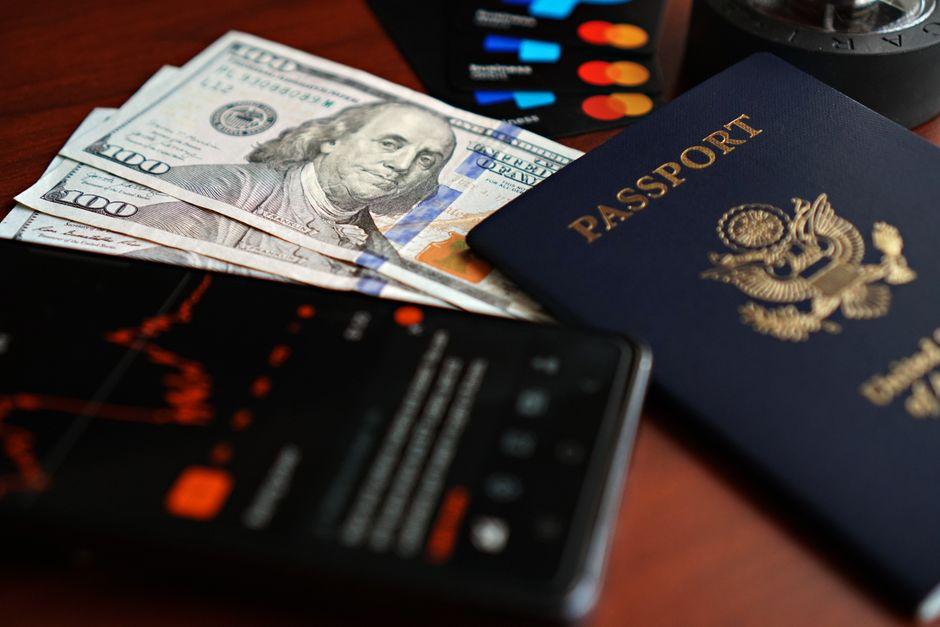
At first glance, selling citizenship appears as a straightforward transaction-a win-win for investors seeking mobility and governments chasing capital. But beneath the surface lies a maze of silent costs that often evade public scrutiny. For governments, these encompass reputational risks and compromised national security, which are not easily quantifiable but carry tangible consequences. The implicit assumption that citizenship can be commodified without eroding its intrinsic social contract is dangerously simplistic. Governments selling passports risk diluting civic identity, transforming citizenship from a collective belonging and responsibility into just another asset class. This shift has profound implications: it may foster social fragmentation and deepen the divide between wealthy foreigners and local populations, who might perceive their national identity as commoditized and devalued.
For applicants, the trade-offs extend beyond visa privileges and economic opportunity. Often overshadowed are the long-term obligations and the nuanced legal labyrinth attached to dual or multiple citizenships-tax liabilities, mandatory disclosures, and geopolitical exposure. A passport may open borders, but it also binds the holder to a web of regulations and reputational vigilance. Therefore, prospective buyers must not be lured solely by flashy rankings or ease of mobility. Instead, they should critically assess:
- Governance quality: Transparency and regulatory stability are critical; countries with opaque or frequently changing policies risk turning a coveted passport into a liability.
- Geopolitical footprint: Citizenship comes with implicit allegiances-how might shifting alliances or sanctions affect your status?
- Social integration: Beyond document ownership, consider the long-term cultural and ethical dimensions embedded in your new nationality.
| Aspect | Potential Silent Cost | Impact |
|---|---|---|
| National Security | Loopholes exploited by illicit actors | Increased surveillance, international distrust |
| Social Cohesion | Alienation of local citizens | Erosion of national identity |
| Legal Complexities | Conflicting tax and residency obligations | Financial penalties, status uncertainty |
By exposing and rigorously weighing these latent costs, governments and investors alike can move beyond transactional views and foster a citizenship paradigm that respects both economic pragmatism and the intangible values citizenship represents.
When National Identity Becomes a Commodity The Ethics Governments Hesitate to Discuss
National identity has long been considered an intrinsic, almost sacred, attribute-one earned through birth, culture, and shared history, rather than a commodity to be bought or sold. When governments commodify citizenship through passport-by-investment schemes, they blur this fundamental distinction, reducing identity to transactional value. This shift raises profound ethical questions that many policymakers prefer to sidestep. The tension lies in balancing sovereign fiscal interests with the intangible worth of national identity. Governments gain quick capital and potential economic stimulation, but risk undermining the credibility of their citizenship frameworks and eroding public trust. The opacity that often shrouds these programs compounds the issue, inviting scrutiny over whether passports are issued primarily for revenue rather than genuine integration, loyalty, or social contribution.
Crucially, the debate demands a sharper, more critical lens than the typical “investment-for-access” narrative. Not all citizenship-by-investment programs are created equal; some enforce rigorous due diligence and residency requirements, while others effectively sell passports with minimal oversight. The ethical stakes escalate when pathways to citizenship bypass fundamental rights and responsibilities traditionally associated with nationhood, potentially facilitating tax evasion, political influence laundering, or even geopolitical risk. Governments need to enact transparent, tiered policies that differentiate between economic pragmatism and the preservation of national ethos. Key recommendations include:
- Implementing strict vetting mechanisms aligned with counter-terrorism, anti-corruption, and financial compliance standards.
- Mandating meaningful residency requirements to ensure cultural integration and genuine ties to the country.
- Establishing accountability frameworks that quantify the socio-political impact of such programs beyond mere dollars.
| Program Feature | Ethical Consideration | Recommended Policy Approach |
|---|---|---|
| Due Diligence Process | Risk of misuse by criminals or politically exposed persons | Third-party independent audits and multi-agency collaboration |
| Residency Requirement | Superficial connection undermining national identity | Minimum stay periods with cultural orientation programs |
| Transparency | Obscured motivations and outcomes | Public reporting on revenue usage and social impact |
Only by confronting these nuanced ethical dilemmas head-on can governments prevent national identity from devolving into a mere financial asset, preserving the intrinsic value and cohesion that true citizenship entails.
Navigating Global Influence Through Investment Passports Smarter Strategies for Sustainable Soft Power
Investment passports are increasingly treated as strategic tools that transcend mere residency or travel facilitation-they are digital chips granting entry to economic ecosystems and geopolitical spheres. However, not all passports wield equal influence, and governments must navigate a delicate balance between volume-driven enrollment and cultivating genuinely sustainable soft power. Chasing sheer numbers can dilute the passport’s prestige, invite scrutiny, and even expose weaknesses in national policies, while overly restrictive criteria risk alienating potential high-value investors. Therefore, the smartest approach is nuanced: prioritizing investors whose cumulative profile contributes beyond capital infusion-such as those offering sectoral expertise, innovation potential, or cultural diplomacy value. This strategy converts transaction-based nationality into a multi-layered tool of influence, intertwining economic growth with global reputation-building.
Governments looking to optimize their soft power via investment passports should be wary of prevailing myths, particularly the assumption that luxury or exclusivity guarantees sustained clout. Instead, a measured portfolio approach serves better, where citizenship-by-investment is one pillar among broader foreign policy and economic development plans. Consider this trade-off:
| Strategy Focus | Pros | Cons |
|---|---|---|
| High Volume, Low Barriers | Rapid capital inflows; expanded diasporic networks | Perceived devaluation; security and compliance risks |
| Selective, High-Value Criteria | Enhanced international prestige; targeted economic benefits | Slower uptake; potential exclusion of diverse investor profiles |
- Insight: Scarcity, when paired with strategic investor curation, can build long-term alliances and increase global sway.
- Recommendation: Integrate comprehensive due diligence with targeted engagement in sectors promising diplomatic or innovation spillovers.
- Trade-off awareness: Governments must accept that popular passport schemes are not inherently superior; sometimes exclusivity fosters more sustainable influence.
The Subtle Trade-Offs Between Economic Gains and Sovereignty in Passport Schemes
Passport-by-investment programs present a classic case of economic expediency clashing with national sovereignty. Governments often champion these schemes as streamlined gateways to capital influx, touting them as engines for economic growth, job creation, and global competitiveness. However, this narrative occludes a critical dimension: sovereignty is not merely a patriotic ideal but an operational necessity for any state. When citizenship becomes commoditized, the traditional mechanisms of vetting, allegiance, and long-term social integration are diluted. The trade-off is evident-while states gain immediate financial relief and international business interest, they potentially erode the rigor and integrity of their citizenship frameworks, undermining their ability to enforce laws, craft coherent demographic policies, or safeguard internal security effectively.
Smart policymakers must parse beyond the simplistic cost-benefit paradigm, where cash is king and sovereignty is a collateral casualty. This requires a discerning approach that balances transparency, risk mitigation, and selective openness. Instead of mass-market citizenship sales, governments could adopt multilayered criteria emphasizing due diligence rather than mere capital thresholds. For example:
| Aspect | Mass Issuance | Selective Vetting | Implication |
|---|---|---|---|
| Economic Gain | High immediate inflow | Moderate but sustainable inflow | Long-term stability vs. short-term shock |
| Sovereignty | Compromised regulatory control | Maintained policy coherence | State security and identity preserved |
| Global Perception | Questionable legitimacy | Enhanced reputation and trust | Investor confidence and soft power |
- Recommendation: Implement robust layered background checks integrated with international intelligence-sharing mechanisms.
- Recommendation: Limit the scale of investment citizenship schemes to high-value niches-such as innovation-driven entrepreneurs or philanthropy-with tangible national benefits beyond money.
- Recommendation: Foster transparent public reporting to prevent the suspicion of backdoor citizenship trading, which stains national and global perceptions.
Ultimately, the story isn’t about sacrificing sovereignty at the altar of quick gains but reimagining what citizenship means in an increasingly fractured economic landscape. A nuanced approach that respects both economic imperatives and sovereign prerogatives may well become the benchmark for passport schemes moving forward, rather than a reckless race to the bottom.
The Conclusion
As the world’s borders blur and economic landscapes shift, passport-by-investment programs emerge not just as gateways to new domiciles, but as dynamic engines of influence-a new form of currency that transcends traditional wealth. Behind the polished brochures and government endorsements lies a complex dance of power, opportunity, and secrecy that few dare to unveil. Whether viewed as a pragmatic tool for global mobility or a controversial pivot in sovereignty, this phenomenon challenges our conventional understanding of nationality and influence. In the end, as governments guard their cards close, it falls to us to peer beneath the surface and question what it truly means to hold a passport in the 21st century.




