
In an increasingly interconnected world, the concept of identity is evolving beyond the boundaries of a single nation. Multi nationality-holding citizenship in more than one country-is becoming a reality for millions, weaving a complex tapestry of legal rights, cultural experiences, and personal affiliations. But what does it truly mean to navigate life with multiple national ties? This article delves into the intriguing landscape of multi nationality, exploring its tangible benefits, the challenges it presents, and the legal frameworks that govern it. Join us as we unravel how multi nationality functions in today’s globalized society, offering new perspectives on belonging, opportunity, and identity.
The Global Identity Puzzle Explored
Multi nationality refers to the legal status where an individual holds citizenship in more than one country simultaneously. This phenomenon has become increasingly common due to globalization, migration, and changing nationality laws worldwide. People pursue multiple nationalities for diverse reasons, including economic opportunity, family heritage, educational access, and greater mobility. However, the concept is not without complexity. Different countries have varying rules concerning dual or multiple citizenships-some permit unrestricted multi nationality, while others require renunciation of prior citizenships. This creates a nuanced landscape where understanding each nation’s stance is crucial to navigating rights like voting, taxation, and social benefits effectively.
Exploring the global identity puzzle involves weighing the tangible benefits against the challenges inherent in holding multiple citizenships. Benefits often include:
- Enhanced travel freedom: Access to multiple passports can simplify visa requirements and reduce cross-border restrictions.
- Economic advantages: Opportunities to work, invest, and access social services in multiple nations.
- Cultural connection: Ability to maintain ties with diverse ancestral or familial origins.
Meanwhile, challenges frequently emerge around:
- Legal conflicts: Contradictory laws regarding obligations like military service or taxation.
- Identity confusion: Navigating personal and social identity can be more complex with divided national allegiances.
- Political sensitivity: Some countries view multi nationality with suspicion, potentially limiting certain privileges or rights.
Understanding these factors in a comparative framework helps individuals make informed decisions and fosters an appreciation of how multi nationality shapes the global identity mosaic.
| Aspect | Benefits | Challenges |
|---|---|---|
| Travel | Visa-free access, easier border crossing | Potential scrutiny at customs, conflicting passport rules |
| Legal Rights | Voting, social services, property ownership | Dual taxation, mandatory military service |
| Identity | Broader cultural perspective | Challenges in national belonging and allegiance |
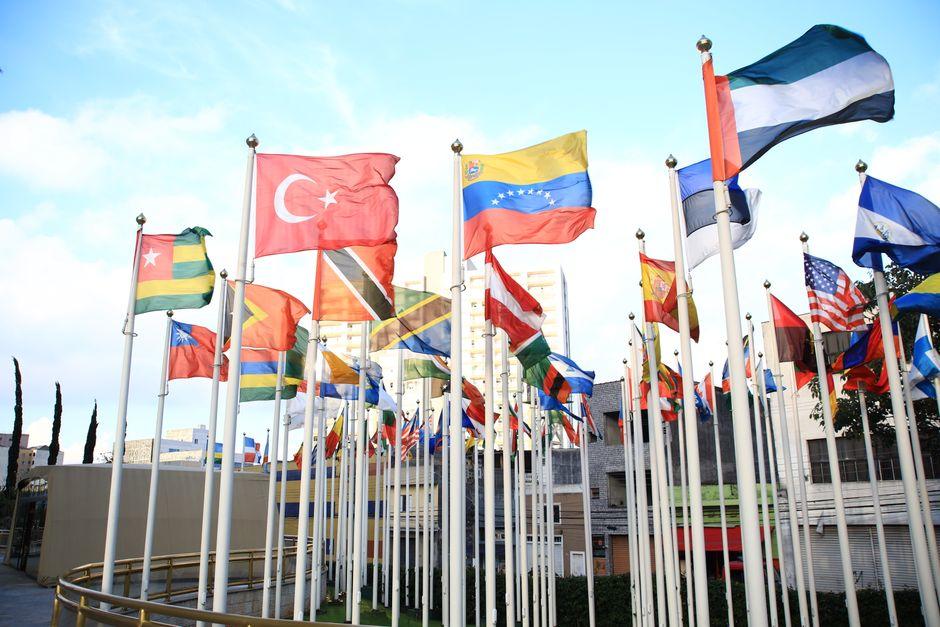
Unlocking the Advantages of Holding Multiple Nationalities
Holding multiple nationalities provides tangible advantages that span legal, economic, and personal domains. One of the most significant benefits is enhanced global mobility-individuals with multiple citizenships can enter, work, and live in more countries without stringent visa restrictions, facilitating business and travel alike. Additionally, dual or multiple nationals often gain access to a broader range of social services, healthcare, and education systems, depending on the countries involved. This diversity in benefits can safeguard individuals from unstable political or economic conditions in one country, offering a form of ‘passport flexibility’ that is increasingly valuable in today’s interconnected world.
Beyond practical freedoms, multiple nationalities can also impact taxation, property ownership, and voting rights. While some may assume that holding more than one citizenship complicates tax obligations, the reality depends on bilateral treaties and domestic laws. For example, some countries tax based on residency rather than citizenship, reducing the risk of double taxation. The table below highlights a comparison of citizenship advantages across three commonly held nationalities:
| Aspect | Country A | Country B | Country C |
|---|---|---|---|
| Visa-Free Travel | 180+ countries | 140+ countries | 160+ countries |
| Tax Residency Rules | Based on residency | Worldwide income tax | Based on residency |
| Voting Rights | National & Local | National only | National & Local |
For those considering multiple citizenships, carefully weighing these factors against legal obligations and personal goals is essential. Consulting with legal and tax professionals familiar with the specific countries involved can help navigate complexities and fully unlock the advantages of holding multiple nationalities.
Navigating Legal Complexities and Social Challenges
Understanding the legal complexities associated with multiple nationalities is crucial for anyone navigating this status. Different countries have diverse laws governing dual or multiple citizenship, covering everything from taxation to military obligations. For example, some nations require citizens to declare all nationalities held, while others restrict dual citizenship altogether, potentially leading to loss of citizenship if undisclosed. Beyond legal recognition, the rights attached to each nationality may vary: voting privileges, access to social services, or eligibility for certain government jobs often depend on specific citizenship laws. To manage these complexities effectively, individuals should consult legal experts familiar with immigration and nationality law, maintain updated knowledge of their countries’ policies, and consider formalizing their status through official declarations or renunciations when necessary.
Socially, holding multiple nationalities can lead to a nuanced identity that enriches cultural understanding but also introduces challenges in belonging and acceptance. Multi-national citizens may face questions of loyalty or discrimination, especially in politically sensitive contexts where dual allegiance is viewed with suspicion. Additionally, practical issues such as traveling with multiple passports, conforming to diverse cultural expectations, or balancing family ties across borders arise frequently. To navigate these challenges, developing strong communication skills, engaging in communities with shared experiences, and embracing a flexible identity mindset are recommended strategies. Here’s a brief comparison highlighting common legal and social challenges of multiple nationalities:
| Aspect | Legal Challenges | Social Challenges |
|---|---|---|
| Recognition | Variation in acceptance or prohibition of multiple citizenships | Perceptions of divided loyalty or national allegiance |
| Obligations | Tax filing requirements, military service obligations | Balancing cultural norms and expectations |
| Travel | Managing visa requirements and passport usage | Explaining identity to diverse social groups |
How Different Countries Approach Dual and Multiple Citizenship
Different countries take varied stances on dual and multiple citizenship, reflecting their unique legal frameworks, cultural values, and national security concerns. Some nations, like Canada, allow their citizens to hold multiple nationalities without restrictions, recognizing the globalized nature of modern life and the benefits of cross-border ties. By contrast, countries such as Japan and China generally restrict dual citizenship, requiring individuals to renounce other nationalities upon acquiring citizenship or by a certain age. This divergence often stems from concerns about loyalty, taxation, and diplomatic complications. Additionally, some countries impose conditional acceptance, such as offering dual citizenship only in specific cases, like marriage or birth abroad, emphasizing a controlled approach to nationality.
When comparing these policies, it’s clear that benefits and challenges vary significantly by jurisdiction. For example, European countries often facilitate dual citizenship as part of the EU’s freedom of movement principles, benefiting individuals with greater travel, work, and residency flexibility. Meanwhile, Middle Eastern countries may restrict dual nationality to preserve clear political allegiance, affecting expatriates seeking expanded rights. Below is a quick comparison of common approaches:
| Country/Region | Dual Citizenship Status | Key Considerations |
|---|---|---|
| Canada | Permitted without limitation | Supports global mobility, no mandatory renunciation |
| Japan | Restricted | Must choose one citizenship by age 22 |
| Germany | Limited acceptance | Allows dual citizenship mainly within the EU or with special permission |
| United Arab Emirates | Generally prohibited | Strict about exclusive nationality for allegiance reasons |
For individuals navigating dual or multiple citizenship, understanding these national differences is critical. It’s advisable to consult official immigration resources or legal experts before acquiring new citizenships to avoid unintended consequences such as loss of rights, tax issues, or military obligations. Embracing multiple citizenships can expand opportunities, but it demands careful awareness of each country’s legal nuances and responsibilities.
Practical Tips for Choosing to Embrace More Than One Nationality
When deciding to embrace more than one nationality, start by thoroughly researching the legal frameworks of the countries involved. Some nations fully recognize dual or multiple citizenships, allowing you to hold passports without renouncing any. Others may require you to give up your previous nationality to naturalize. Understanding these rules upfront can prevent unexpected loss of rights or citizenships. Consider the taxation policies too: certain countries tax global income for their citizens, so managing your financial obligations across borders becomes essential. You can benefit greatly from consulting immigration experts or legal advisors who specialize in nationality law to navigate complex residency requirements, tax treaties, and potential military service obligations that might come with additional nationalities.
Practical tips to ease the process of embracing multiple nationalities include:
- Document Organization: Keep your personal identification, birth certificates, and naturalization certificates well-organized and accessible for official processes.
- Stay Informed on Renewal Rules: Some countries require periodic renewal or continuous residency; missing these could risk losing a nationality.
- Evaluate Lifestyle Impacts: Multinational individuals often gain expanded travel freedom, work opportunities, and cultural ties-but they may also face complex legal obligations or conflicting loyalties.
- Plan for Dual Responsibilities: Be aware of voting rights, military service, and civic duties in each country to avoid legal surprises.
| Aspect | Consideration | Recommendation |
|---|---|---|
| Legal Status | Differences in citizenship laws, recognition of dual nationality | Check government websites or consult legal experts before applying |
| Taxation | Worldwide taxation vs. residency-based taxation | Engage a tax professional familiar with cross-border regulations |
| Travel Freedom | Visa-free access expanding with multiple passports | Leverage passports strategically to ease international movement |
| Civic Duties | Voting, jury duty, military obligations | Understand expectations and deadlines in each country to maintain good standing |
Future Outlook
In navigating the intricate tapestry of multi nationality, we uncover a world where borders blur and identities intertwine. This phenomenon offers a unique blend of opportunities and obstacles-enriching lives with cultural depth while posing complex legal and social questions. As globalization continues its relentless course, understanding the nuances of holding multiple nationalities becomes not just a curiosity but a necessity. Embracing this dynamic reality allows individuals and societies alike to forge connections beyond traditional boundaries, crafting a more interconnected, yet carefully balanced, global community.




