
In an increasingly interconnected world, the concept of citizenship is evolving beyond the traditional boundaries of a single nation. Imagine holding three passports, each representing a unique cultural identity, legal system, and set of opportunities. This is the reality for those with triple citizenship-a status that opens doors to diverse experiences and global mobility like never before. But what does it truly mean to be a triple citizen in 2024? How can one qualify for this rare and complex status, and what benefits come with juggling multiple nationalities? In this article, we’ll unravel the layers of triple citizenship, exploring its implications, advantages, and the pathways to obtaining it in today’s dynamic legal landscape. Whether you’re a curious traveler, a global professional, or someone with a rich multinational heritage, understanding triple citizenship can change the way you view identity and belonging in the modern world.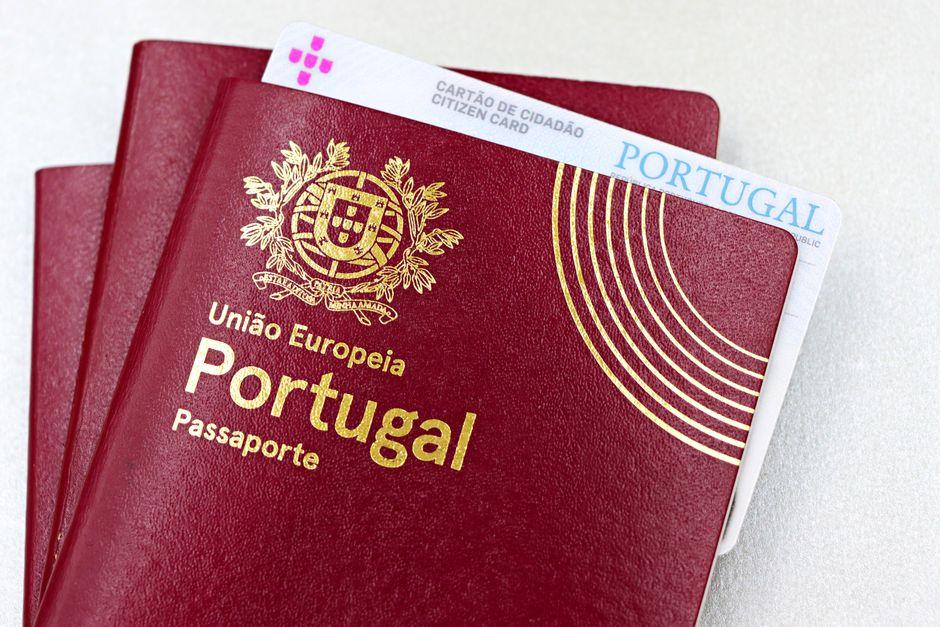
What Triple Citizenship Means in Today’s Global Landscape
Triple citizenship refers to an individual legally holding citizenship in three different countries simultaneously. In today’s hyper-connected world, this status reflects the evolving nature of identity, mobility, and opportunity. Unlike the more common dual citizenship, triple citizenship adds layers of complexity not only in legal terms but also in personal and financial dimensions. Individuals with triple citizenship can tap into diverse rights-such as voting, working, and owning property in three countries-offering unparalleled freedom to live and work across borders. However, it may also mean navigating varying obligations like taxes, military service, or government fees, which differ widely between nations. Understanding these nuances is crucial for anyone considering or currently holding triple citizenship in 2024.
From a practical standpoint, triple citizenship can act as a powerful tool for global professionals, business owners, and expatriates by providing:
- Expanded travel options: Access to multiple passports reduces visa restrictions and enhances international mobility.
- Diverse economic benefits: Eligibility for social services, business opportunities, and investment options in three legal systems.
- Legal protections: Multiple diplomatic protections and consular support abroad.
Yet, challenges also arise, particularly regarding tax compliance and conflicting legal requirements. For example, some countries mandate worldwide income reporting, which can complicate financial planning for triple citizens. Additionally, citizenship laws vary drastically-some nations may forbid holding more than one nationality or restrict specific rights for multiple citizens. A quick comparison clearly illustrates key considerations:
| Aspect | Benefits | Potential Challenges |
|---|---|---|
| Taxation | Opportunity to optimize tax strategy by leveraging treaties | Obligation to file taxes in multiple countries, risk of double taxation |
| Legal Status | Flexibility to live, work, and access services | Possible conflicts in allegiance or compulsory duties (e.g., military service) |
| Travel | Ease of global movement via multiple passports | Complex documentation and renewal processes |
For anyone exploring triple citizenship, it is highly recommended to consult with legal and tax experts familiar with the laws of each involved country. Careful assessment helps to negotiate benefits while minimizing risks, ensuring that triple citizenship serves as a strategic advantage rather than a bureaucratic burden.

Navigating the Advantages and Challenges of Holding Multiple Passports
However, the challenges of managing multiple citizenships should not be underestimated. Legal obligations, such as filing taxes in multiple jurisdictions or compulsory military service, can complicate personal and financial planning. Some countries do not recognize triple citizenship, potentially forcing individuals to relinquish one nationality or navigate complex naturalization laws. Additionally, issues of loyalty and political rights, such as voting eligibility and diplomatic protection, can vary and sometimes conflict among nations. To provide a clearer overview, here’s a succinct comparison of core considerations:
| Aspect | Advantages | Challenges |
|---|---|---|
| Travel & Mobility | Visa-free access to more countries | Must keep multiple passports valid |
| Taxation | Opportunities for tax optimization | Potential double taxation or complex filings |
| Legal & Civic Duties | Expanded rights such as voting or residency | Obligations like military service or dual allegiance issues |
When considering triple citizenship, it’s crucial to consult with immigration experts and financial advisors who understand the intricacies of each country involved. Planning ahead can help optimize the benefits while mitigating risks, such as unintended legal conflicts or loss of rights. Staying informed about each country’s evolving policies will also empower holders to make the most of their unique global status. Ultimately, a thoughtful approach ensures that navigating multiple passports is less a bureaucratic hurdle and more a strategic asset.
Common Misconceptions About Triple Citizenship Explained
One widespread misconception about triple citizenship is that it automatically grants unlimited rights and privileges in all three countries without restrictions. In reality, each nation has its own legal framework that governs citizenship benefits and obligations. For example, holding triple citizenship does not exempt you from local taxes, mandatory military service, or legal responsibilities in any of the countries involved. Additionally, some countries might limit your ability to hold public office or vote if you maintain another nationality simultaneously. Understanding these nuances is crucial before pursuing triple citizenship so you can fully grasp its practical implications beyond the allure of multiple passports.
Another common misunderstanding is the assumption that triple citizenship is universally recognized and straightforward to maintain. Many people don’t realize that some countries do not allow or actively discourage multiple citizenships, meaning you could risk losing one nationality when acquiring another. It’s also important to note the administrative challenges, such as increased paperwork, travel complexities, and the potential need to manage different sets of laws, including inheritance or family law that vary widely. To navigate these complexities, consider consulting immigration specialists or legal advisors, especially to clarify how triple citizenship aligns with your personal circumstances and long-term goals.
Key Criteria and Pathways to Secure Triple Citizenship in 2024
Securing triple citizenship in 2024 involves navigating a complex legal landscape where individual countries have varying stances on dual or multiple nationality. The key criteria typically include meeting the citizenship requirements of three different nations, which may encompass birthright citizenship, naturalization, descent, or marriage. For example, being born in one country, inheriting citizenship from parents of another, and naturalizing in a third are common pathways. Importantly, applicants must ensure none of the involved countries explicitly prohibit multiple citizenships or require renunciation upon acquiring a new nationality. Additionally, maintaining compliance with each country’s residency, language proficiency, or cultural integration requirements is pivotal to successfully qualifying for triple citizenship. Understanding the particular nuances of citizenship laws-such as automatic citizenship by birth (jus soli) versus citizenship by bloodline (jus sanguinis)-is essential at this stage to avoid legal pitfalls.
To illustrate how these criteria can vary, consider the following comparison of common citizenship pathways:
| Pathway | Definition | Typical Requirements | Country Examples |
|---|---|---|---|
| Birthright Citizenship (Jus Soli) | Citizenship granted by birth within a country’s territory | Born on soil of country | USA, Canada, Brazil |
| Descent (Jus Sanguinis) | Citizenship through parents or grandparents | Proof of ancestor’s citizenship | Italy, Ireland, Germany |
| Naturalization | Citizenship via legal residency and application | Residency duration, language test, oath | Australia, France, Sweden |
| Marriage | Citizenship gained through spouse’s nationality | Marriage length, residency, sometimes language | Spain, Portugal, UAE |
When pursuing triple citizenship, it’s advisable to consult immigration experts or legal advisors to understand how holding multiple passports may affect taxation, military service obligations, or diplomatic protections. Some countries limit participation in political processes or public sector jobs for dual or triple nationals, which might influence your decision to pursue triple citizenship. Carefully assessing the overlapping requirements and potential conflicts ensures a smoother, legally secure pathway to enjoying the privileges of triple nationality in 2024.
Weighing Your Options When Choosing Countries for Additional Citizenship
When considering additional citizenships beyond dual nationality, it’s essential to carefully weigh the specific advantages and responsibilities each country brings. Different nations have distinct policies regarding triple citizenship, with some fully allowing it without restrictions while others may require you to renounce prior citizenships. Legal compatibility is crucial, as acquiring a third passport that conflicts with your current citizenships could result in involuntary loss or legal complications. Moreover, understanding how each country treats tax obligations, military service, and civic duties can significantly influence your decision, especially if you plan to maintain active ties to all three countries. A practical step is to research the country’s stance on dual and multiple citizenships through official government or embassy resources, ensuring you meet naturalization criteria without unforeseen penalties.
Beyond legal considerations, reflect on the tangible benefits tied to living, working, and traveling with a third citizenship. Some countries offer strong passports that enhance visa-free travel access globally, while others provide attractive tax regimes, business opportunities, or quality of life improvements that may complement your existing nationalities. When comparing options, prioritize factors such as:
- Visa-free travel: How many countries you can access without a visa can vary widely.
- Tax implications: The potential for double or triple taxation and reporting requirements.
- Residency requirements: Obligations to reside or renew citizenship status.
- Political stability and security: A stable environment often ensures long-term benefits.
- Ease of acquisition: Whether citizenship is granted by ancestry, investment, or naturalization.
| Country | Visa-Free Countries | Dual Citizenship Policy | Tax Residency Requirements |
|---|---|---|---|
| Portugal | 187 | Permitted without restriction | Non-habitual resident regime available |
| Japan | 193 | Generally does not allow multiple citizenships | Taxed on worldwide income if resident |
| Canada | 185 | Allows multiple citizenships | Taxed on worldwide income if resident |
Ultimately, balancing legal feasibility with practical benefits and lifestyle goals will help you make an informed choice when pursuing triple citizenship in 2024. Consulting with immigration lawyers or citizenship experts can further clarify complex scenarios unique to your personal circumstances.
In Retrospect
In a world that grows increasingly interconnected, triple citizenship is more than just a legal status-it’s a bridge linking diverse cultures, opportunities, and identities. Understanding what it means, the benefits it offers, and the pathways to qualification in 2024 can empower you to navigate this complex landscape with confidence. Whether driven by personal ties, professional ambitions, or a desire for greater mobility, embracing triple citizenship opens doors to new possibilities while inviting thoughtful reflection on the responsibilities it entails. As laws and global dynamics continue to evolve, staying informed remains your greatest asset in making the most of this unique and multifaceted citizenship journey.




