In an increasingly interconnected world, the concept of identity has taken on new dimensions-one of the most fascinating being multiple citizenship. Imagine holding passports from two or even more countries, each unlocking unique opportunities, cultures, and legal rights. But what does it truly mean to be a citizen of multiple nations? Beyond the allure and adventure lies a complex web of benefits, responsibilities, and potential challenges. In this article, we will unravel the essentials of multiple citizenship: exploring how it works, the advantages it offers, and the hurdles that come with straddling different legal and cultural landscapes. Whether you’re curious about expanding your global footprint or simply want to understand this modern phenomenon, read on to get a clear, balanced picture of multiple citizenship.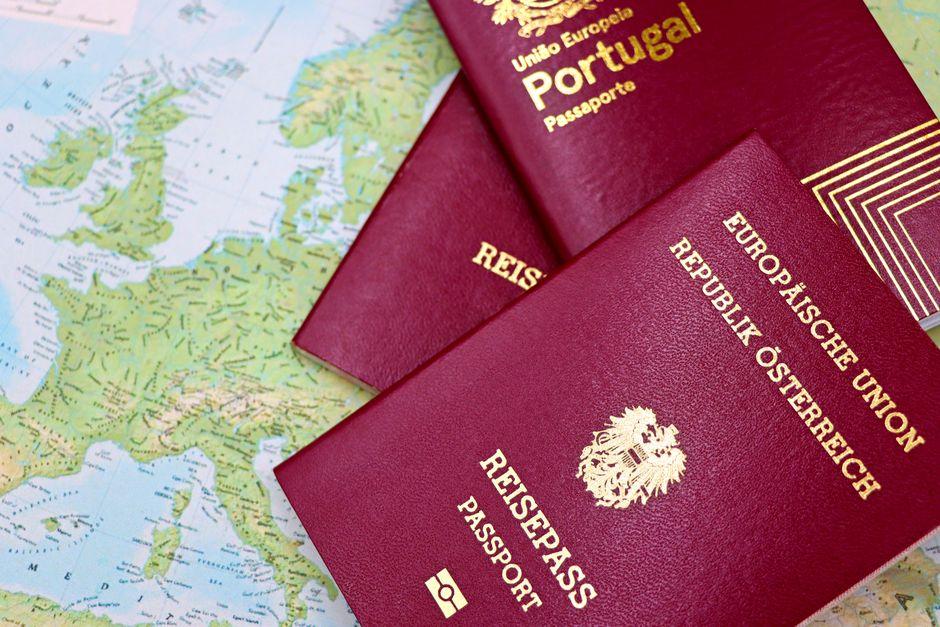
Understanding the concept of holding multiple nationalities and its global implications
Holding multiple nationalities means legally belonging to two or more countries simultaneously, each conferring its own rights, responsibilities, and privileges. This status goes beyond mere residency or dual citizenship-it often involves navigating distinct legal systems, tax codes, and civic duties. Globally, the acceptance of multiple citizenship varies widely: some nations embrace it as a reflection of an interconnected world, while others limit or prohibit it due to concerns over loyalty and national security. Understanding this concept requires recognizing that it is not simply a personal advantage but a complex legal identity with far-reaching implications for travel freedoms, property ownership, political participation, and even military service obligations.
The global implications of holding multiple nationalities can be both empowering and challenging. On one hand, it offers tangible benefits such as:
- Expanded mobility: Access to multiple passports allows for visa-free or visa-on-arrival travel to a greater number of countries.
- Economic opportunities: Ability to work, invest, or settle in multiple countries without the need for complex visa sponsorships.
- Family and cultural ties: Maintaining stronger connections to diverse heritages and social systems.
Conversely, it introduces complications:
- Taxation complexities: Individuals may face overlapping tax obligations or reporting requirements in more than one country.
- Legal conflicts: Conflicting laws between nations regarding military service, criminal law, or diplomatic protection.
- Political implications: Some countries restrict dual citizens from holding public office or voting rights, impacting civic engagement.
Below is a brief comparison to illustrate common considerations:
| Aspect | Potential Benefit | Possible Challenge |
|---|---|---|
| Travel | Greater visa-free access, simplified border crossings | Complexity choosing which passport to use; varying entry requirements |
| Taxation | Tax planning opportunities leveraging different systems | Double taxation risk; complicated reporting |
| Legal Rights | Access to social services and legal protections in multiple countries | Dual legal obligations, such as military service or jury duty |
For individuals considering or already holding multiple citizenships, careful research and often professional guidance is recommended to optimize benefits while mitigating legal and financial pitfalls on this multifaceted international stage.

Exploring the advantages that come with dual or multiple citizenship
Holding dual or multiple citizenships grants individuals a range of practical advantages that can significantly impact both personal and professional aspects of life. Among the most compelling benefits are increased mobility and travel freedom. Citizens typically receive passports that allow visa-free or visa-on-arrival access to numerous countries, reducing travel barriers and making international business or leisure travel smoother and less costly. Furthermore, multiple citizenship can offer expanded opportunities for work, study, and residence in more than one country without the need for lengthy visa applications or residency permits. This flexibility aids in global career development and education options, a critical factor for those seeking to operate or learn in diverse environments.
Additional benefits extend to access to social services and rights. Dual citizens, for instance, may gain eligibility for healthcare, pension plans, and social welfare programs in multiple countries, providing a safety net beyond their country of birth. Political participation is another noteworthy advantage; holding citizenship in different nations can grant voting rights and a voice in multiple political systems, which can be important for those with strong ties to more than one country. Below is an overview of key advantages to help clarify these benefits:
| Benefit | Description | Practical Impact |
|---|---|---|
| Enhanced Travel Freedom | Access to passports with broader visa-free entry | Reduced travel costs and complex visa processes |
| Work and Study Opportunities | Legal right to live, work, and study in multiple countries | Increased career and educational flexibility |
| Social Services Access | Eligibility for healthcare, pensions, and social benefits | Better financial and healthcare security |
| Political Participation | Right to vote and engage in multiple political systems | Stronger influence in multiple countries’ governance |
Navigating the legal and practical difficulties of being a citizen in more than one country
Navigating the legal and practical difficulties of holding multiple citizenships involves understanding how different countries treat dual or multiple citizenship status. One major legal challenge is conflicting laws on taxation, military service, and allegiance. For example, some countries require dual citizens to declare taxes or serve in the military regardless of their residence, which can create complex obligations. Additionally, not all nations recognize multiple citizenship, potentially leading to loss of nationality if one acquires another. Travel can also become complicated as individuals must use the appropriate passport for entry and exit, comply with visa requirements, and manage consular protection rights, which differ by country. Understanding these variations is essential to avoid legal pitfalls and maintain smooth international mobility.
Practical difficulties also surface in daily life and paperwork management. Maintaining valid documentation, such as renewed passports and updated records, requires timely attention to bureaucratic processes in multiple jurisdictions. Dual citizens may face challenges in property ownership, employment eligibility, and accessing social benefits or healthcare services, as these often depend on residency status rather than mere citizenship. To minimize complications, experts recommend:
- Consulting immigration and tax specialists to clarify your obligations and rights in each country.
- Keeping organized records of all legal documents, including ID cards, passports, and naturalization papers.
- Understanding potential conflicts in laws such as compulsory military service or prohibitions against multiple citizenship.
- Being aware of travel restrictions and using the appropriate passport for entry and exit to avoid border issues.
| Legal Aspect | Potential Challenges | Tips for Managing |
|---|---|---|
| Taxation | Double taxation, complex filing requirements | Hire a tax advisor familiar with both countries’ laws |
| Military Service | Compulsory service in one or both countries | Research obligations early, consider deferment or exemptions |
| Travel | Passport confusion, risk of denied entry | Always use the correct passport at respective borders |
Comparing how different countries view and regulate multiple citizenship
Different countries take a wide range of approaches when it comes to recognizing and regulating multiple citizenship, reflecting diverse legal traditions and political priorities. For example, the United States allows dual citizenship but does not explicitly encourage it, often requiring individuals to declare allegiance to the U.S. while still acknowledging their other nationality. In contrast, Canada embraces multiple citizenship fully, permitting citizens to hold several passports without risking their Canadian status. Meanwhile, Germany maintains stricter rules, generally requiring naturalized citizens to renounce their previous citizenships, with some exceptions. On the other hand, countries like Japan and China strongly discourage or outright prohibit dual citizenship, often forcing individuals to choose one nationality by a certain age. This variance significantly impacts individuals’ rights, such as voting, property ownership, and taxation, depending on their jurisdiction.
Understanding these differences is crucial for anyone considering multiple citizenship, as legal protections and obligations vary widely. Here’s a brief comparison of how select countries view and regulate multiple citizenship:
| Country | Policy on Multiple Citizenship | Main Considerations |
|---|---|---|
| United States | Permitted but not explicitly endorsed | Potential for dual tax obligations; requirement to use U.S. passport when entering/leaving |
| Canada | Fully permitted and widely accepted | No requirement to renounce previous citizenships |
| Germany | Generally requires renunciation | Exceptions for EU nationals and some special cases |
| Japan | Prohibited after age 22 | Citizens must choose one nationality by adulthood |
For those considering multiple citizenship, it’s advisable to consult the specific legal frameworks of the involved countries. Understanding obligations such as compulsory military service, taxation, and civic duties is essential before pursuing a second nationality. Additionally, some countries’ policies may change over time, so staying informed about current regulations helps avoid unexpected complications, particularly for frequent travelers, expatriates, and international workers.
Factors to weigh before pursuing citizenship in multiple nations and common misconceptions clarified
Before pursuing citizenship in multiple nations, it’s crucial to evaluate several practical and legal factors that can impact your lifestyle, finances, and rights. Consider how each country treats dual or multiple citizenship, as not all nations permit holding more than one nationality simultaneously. You should also examine tax obligations carefully, since multiple citizenship may mean filing taxes in two or more countries-sometimes without relief, leading to complex reporting requirements or double taxation. Additionally, assess travel privileges and restrictions linked to each citizenship, including visa-free access or potential military service requirements that vary widely between countries. Understanding these aspects upfront can help avoid unexpected legal conflicts, financial burdens, or residency issues down the line.
Common misconceptions around multiple citizenship often cause hesitation or confusion, so clarifying them is essential. For example, many assume acquiring another citizenship automatically means relinquishing their original one, which is not always true-some countries allow multiple passports without forfeiting existing citizenship. Others believe multiple citizenship guarantees unrestricted global mobility; however, passport power varies and may come with hidden obligations like mandatory healthcare or social security contributions. It’s also important to separate myths from facts about political participation, as dual citizens might face limitations such as disenfranchisement in certain elections or public office eligibility. The table below highlights a few typical misconceptions versus reality:
| Common Misconception | Reality |
|---|---|
| You must renounce previous citizenship(s) to obtain a new one. | Many countries allow multiple citizenships; renunciation depends on domestic laws. |
| Multiple citizenship guarantees visa-free travel everywhere. | Visa requirements depend on each passport’s strength and bilateral agreements. |
| Dual citizens always have equal voting rights in all countries. | Political rights vary, with some countries restricting voting or office-holding for dual citizens. |
The Conclusion
In a world increasingly defined by borders that blend rather than divide, multiple citizenship offers a unique passage through the complexities of identity, opportunity, and belonging. While it opens doors to new experiences and advantages, it also invites a careful navigation of legal landscapes and personal responsibilities. Understanding how multiple citizenship works-and weighing its benefits alongside its challenges-is essential for anyone considering this global status. Ultimately, multiple citizenship is more than a legal condition; it’s a modern reflection of our interconnected lives, where embracing complexity can lead to richer, more diverse horizons.