
In a world where the lines that separate nations blur and intertwine, the concept of identity becomes both fluid and formidable. “Between Borders: Navigating the Promise and Complexities of Second Citizenship” delves into the evolving landscape of dual nationality-a realm where opportunity meets challenge, and where the allure of new horizons coexists with intricate legal, social, and ethical considerations. As more individuals seek to expand their sense of belonging beyond a single homeland, this exploration uncovers the profound implications of carrying multiple passports, revealing a nuanced journey that transcends geography and redefines what it means to belong.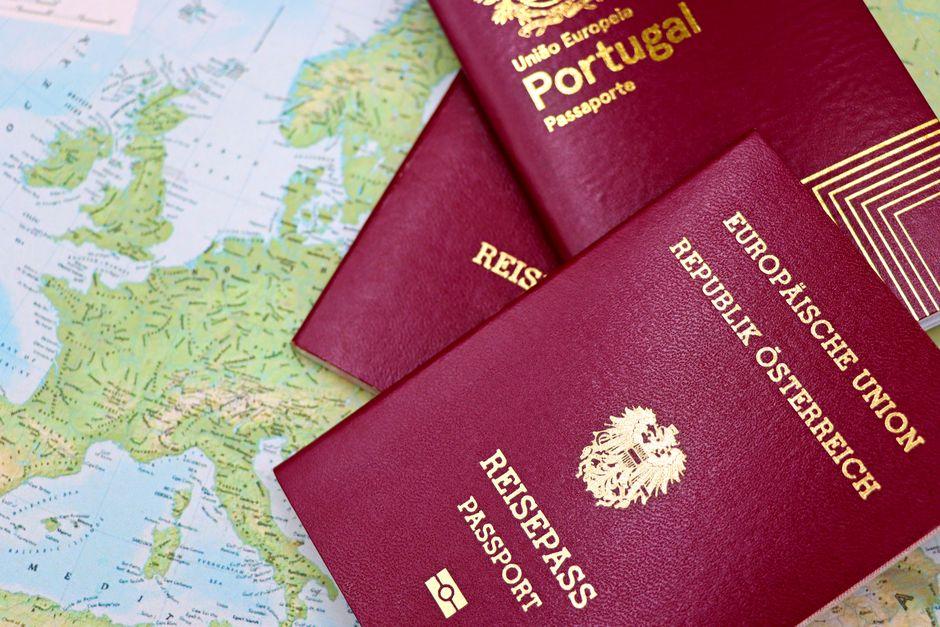
Mapping Identity Beyond One Homeland
Consider Ana, whose roots trace back to Brazil, yet whose life has unfolded between Lisbon and London. When she obtained her second citizenship in Portugal, it wasn’t just a legal upgrade; it represented a nuanced redefinition of her identity. Ana found herself navigating a blend of cultural tapestries, where her sense of belonging expanded but also became more complex. She recalls moments when friends questioned her allegiance, or when airport officers treated her last name as a foreign token, despite her multi-citizenship status. What Ana learned is that identity tied to citizenship is rarely neat-it’s a living mosaic colored by personal history, community, and sometimes unexpected bureaucratic realities.
Mapping identity across borders also means confronting contrasts between expectations and lived experiences. Take Raj, who secured a European passport hoping it would instantly open doors professionally and socially. While career opportunities increased, he encountered subtle challenges: in his new country, colleagues sometimes viewed him as an outsider, while in his country of origin, old ties shifted as neighbors assumed he was ‘lost’ to his homeland. This duality can lead to profound reflection on what “home” signifies beyond a line on a map. It emphasizes key lessons for those embracing second citizenship:
- Identity is fluid: Citizenship doesn’t automatically translate to full cultural assimilation.
- Belonging requires effort: Building new social connections and maintaining old ones can coexist but require balance.
- Self-perception evolves: Individuals often redefine their own story as they cross borders.
| Aspect | Expectation | Reality |
|---|---|---|
| Sense of Belonging | Immediate community acceptance | Gradual integration with moments of cultural friction |
| Professional Opportunities | Seamless career advancement | Expanded options coupled with new challenges in workplace culture |
| Connection to Homeland | Maintained traditional ties unchanged | Evolving relationships and perspectives from a distance |
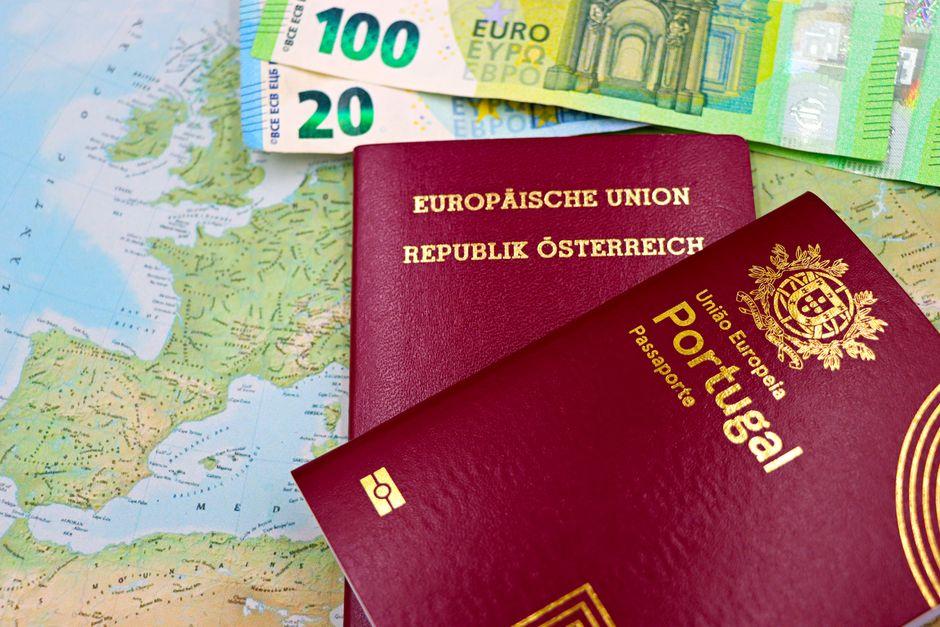
When Opportunity Meets Unseen Obstacles
Consider Maria, a successful entrepreneur from Brazil, who saw second citizenship as her gateway to expanding her business in the European Union. Inspired by stories of seamless travel and business perks, she pursued citizenship through investment in a Mediterranean country. Yet, what she did not anticipate was the complex bureaucracy and lengthy waiting times, stretching well beyond her initial expectations. The allure of simplified visa processes crumbled against a backdrop of opaque regulations and fluctuating policy shifts. Maria’s experience highlights how, even with thorough research, the path to a second passport can be unpredictable, demanding patience and adaptability.
Similarly, David, an IT professional from South Africa, grabbed what seemed like a golden opportunity via a citizenship-by-descent program. Initially, it appeared straightforward-provide ancestral documents and wait for approval. However, hidden challenges surfaced when discrepancies in archival records delayed his application, underscoring the importance of thorough verification. The contrast between David’s anticipation of swift success and the reality of bureaucratic hurdles is a common thread in second citizenship journeys. These examples reveal the complex interplay between hope and the often slow, intricate machinery of legal processes.
- Lesson 1: Rigorously verify all documentation before starting your application.
- Lesson 2: Prepare for delays-timelines can be much longer than advertised.
- Lesson 3: Understand policy changes that might affect your eligibility mid-process.
| Expectation | Reality |
|---|---|
| Smooth, fast processing | Lengthy, unpredictable delays |
| Clear, straightforward requirements | Unclear criteria and changing rules |
| Immediate advantages post-citizenship | Gradual access due to local residency or additional conditions |
Stories from the Crossroads of New Allegiances
When Lina, an entrepreneur from Brazil, acquired citizenship in Portugal, she imagined doors swinging open across Europe-ease of travel, expanded business networks, and an upgraded lifestyle. Yet, the initial excitement was soon tempered by unexpected realities. For instance, despite holding an EU passport, Lina wrestled with dual tax filing complexities that chipped away at her savings. The bustling cafes of Lisbon didn’t quite replace the warmth of her family gatherings back home, highlighting a subtle but poignant lesson: second citizenship often demands a recalibration of belonging rather than a seamless transition. Moments of indecision, such as whether to maintain her Brazilian health insurance or switch entirely to the Portuguese system, reflected deeper questions about identity and practical allegiance. Her experience underscores how pragmatic considerations often intertwine with emotional dimensions, compelling new citizens to navigate a delicate balance between old roots and new commitments.
- Case in point: Lina’s choice to keep certain financial accounts in Brazil while opening local ones in Portugal created a web of banking regulations and exchange rate monitoring she hadn’t anticipated.
- Unexpected challenge: Her children’s education decisions-whether to integrate fully into the Portuguese schooling system or maintain bilingual education-became a microcosm of cultural negotiation within the family.
Contrast this with David, a retiree from Canada who pursued citizenship in Malta primarily for tax efficiency and Mediterranean lifestyle. His expectations of uninterrupted sun and reduced fiscal burden were initially fulfilled, yet the subtle nuances of local community integration were less straightforward. Despite the welcoming attitude of locals, David faced moments of social awkwardness and a sense of being an “outsider,” especially during traditional festivals and civic discussions that hinged on deeper historical and cultural knowledge. His story highlights a recurrent theme: second citizenship may offer many material benefits, but fostering genuine connections often requires more time and openness than anticipated. It involves embracing unfamiliar customs and sometimes confronting versions of oneself shaped by uprooting and resettling. These personal narratives sit at the crossroads of allegiance-encompassing legal status, cultural affinity, and personal identity-in a way that defies simple explanation or planning.
| Aspect | Lina (Portugal) | David (Malta) |
|---|---|---|
| Primary Motivation | Business expansion, EU access | Retirement lifestyle, tax benefits |
| Unexpected Challenge | Dual tax systems, family education choices | Social integration, cultural nuances |
| Key Lesson | Balance between pragmatic needs and cultural identity | Patience and openness for true belonging |
Lessons Drawn from Unexpected Bureaucracies
One of the most eye-opening experiences for new citizens navigating second citizenship is grappling with unexpected bureaucracies that don’t always align with the sleek promises of convenience often advertised. Take, for instance, the case of Anna, who acquired a Caribbean passport through investment. Her expectation was a smooth, expedited process enabling travel freedom, but she found herself tied up in local administrative red tape when trying to renew her passport abroad. The local embassy required intricate documentation that was not initially disclosed, leading to weeks of delays and added stress just to maintain her legal status. This tug-of-war between expectation and reality is common, emphasizing that second citizenship is not a universal passport to frictionless movement; it can also introduce new layers of bureaucratic navigation that vary from country to country.
- Lesson One: Always anticipate and prepare for varying bureaucratic demands, especially related to documentation and renewals.
- Lesson Two: Understand local legal nuances-what seems straightforward in one jurisdiction may be complex in another.
| Expectation | Reality | Takeaway |
|---|---|---|
| Seamless passport renewal anywhere | Unexpected embassy document requests causing delays | Check consular services and renewal policies before applying |
| Instant access to all bilateral visa-free agreements | Some countries require additional permits or notifications | Research visa requirements thoroughly, even for ‘friendly’ states |
Another telling scenario involves Jamal, who sought second citizenship in a European country largely for the perceived ease of business operations. Although he gained the passport, what caught him off guard was the complex local tax filing systems and stringent residency verification protocols that he hadn’t anticipated. These intricate regulatory layers introduced an ongoing commitment rather than a one-time benefit. His case underscores a critical lesson: second citizenship often entails constant engagement with bureaucratic systems that may require significant time, cultural adaptation, and even legal counsel. The promise of passport privilege is tempered by the reality that with new citizenships come new rules, local expectations, and procedural details-each a small decision point that shapes the overall experience.
The Quiet Balance of Belonging Twice Over
Imagine Sarah, a marketing executive originally from Brazil who, after years of building her career in Canada, decides to acquire Portuguese citizenship through descent. On paper, it seemed like a straightforward upgrade: another passport, more travel freedom, and a deeper connection to her roots. But the reality was a delicate balancing act. While she gained access to the European job market and the comfort of being legally recognized in two places, she also noticed subtle shifts in her sense of identity. The exhilaration of belonging to two countries was occasionally tinged by feelings of fragmentation-how do you prioritize loyalty, culture, or even tax obligations when you’re legally part of both? Sarah’s story highlights a common crossroads for second citizenship holders: the quiet complexity of holding space in two worlds simultaneously. It’s not merely about paperwork; it’s about recalibrating one’s understanding of home and community without losing grounding.
This duality unfolds differently for everyone. Take Ahmed, who obtained citizenship in Malta to expand his business horizons but found himself navigating unexpected obligations-from financial disclosures to mandatory voting laws he’d never encountered before. His expectations of seamless ease gave way to a realization about the inherent responsibilities that accompany a second passport. The balance of advantages and duties can sometimes feel like walking a tightrope, requiring thoughtful assessment of one’s values and long-term goals. For many, the promise of enhanced mobility or economic benefits must be weighed against such commitments, which often include:
- Legal requirements like tax declarations or conscription.
- Cultural integration and language adaptation challenges.
- Emotional alignment with new societal norms.
| Aspect | Expectation | Reality |
|---|---|---|
| Freedom of Movement | Instant, unrestricted travel | Often subject to visa rules linked to residence, health, or politics |
| Sense of Belonging | Full societal acceptance | Occasional cultural alienation or divided loyalties |
| Legal Responsibilities | Minimal or no impact | Tax reporting, civic duties, legal compliance in multiple jurisdictions |
Key Takeaways
As the journey toward second citizenship unfolds, it becomes clear that the path is as intricate as it is promising. Between borders lies not only the chance for new opportunities and expanded horizons but also a maze of legal, ethical, and personal considerations that demand thoughtful navigation. Embracing the complexities with awareness allows individuals to transform the dream of dual belonging into a meaningful reality-one that transcends geography and redefines the very notion of home. In this evolving global tapestry, second citizenship is more than a passport; it is a bridge connecting identities, ambitions, and the ever-shifting landscape of our shared world.




