
In a world where borders often define opportunity, the concept of citizenship has taken on new dimensions. Citizenship by Investment (CBI) is no longer just a niche option for the wealthy-it’s a strategic gateway to global mobility, economic growth, and personal freedom. But what exactly is citizenship by investment? How does the process unfold, and which countries are leading the way in 2024? This article delves into the multifaceted world of CBI programs, exploring the benefits they offer, the steps involved, and the top destinations that stand out in today’s evolving geopolitical landscape. Whether you’re a curious traveler, an investor, or simply someone interested in global trends, join us as we unravel the opportunities and realities behind obtaining a second passport through investment.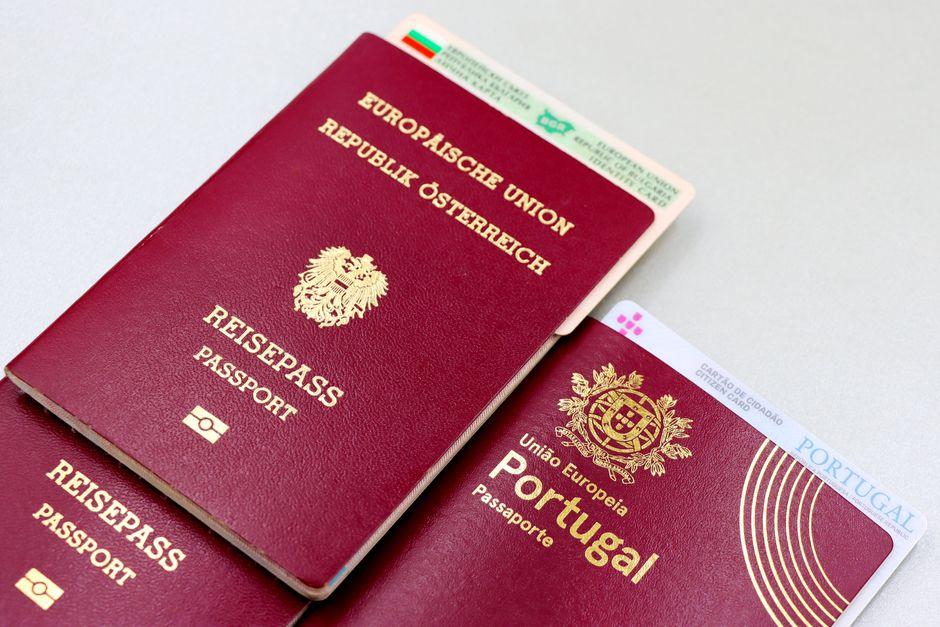
Understanding Citizenship by Investment and How It Works
Citizenship by Investment (CBI) is a legal pathway allowing individuals to obtain a second citizenship or passport in exchange for a qualified financial contribution to a country. Unlike traditional naturalization processes, which often require years of residency and integration, CBI programs offer a faster and more straightforward route, usually completed within a few months. Most programs require applicants to invest in government bonds, real estate, or a national development fund. In return, successful candidates receive full citizenship, granting rights such as visa-free travel, tax advantages, and access to new business or educational opportunities. The process typically involves due diligence checks to ensure applicants meet legal and security standards, making it a secure and regulated form of acquiring citizenship.
Key benefits of Citizenship by Investment include:
- Speed and Efficiency: Obtaining new citizenship often takes between 2 to 6 months, far quicker than conventional residency or citizenship routes.
- Global Mobility: Many CBI passports provide visa-free or visa-on-arrival access to over 100 countries, including major economic regions.
- Financial and Tax Planning: Several countries offering CBI programs have favorable tax regimes, enabling wealth diversification or protection.
- Family Inclusion: Most programs allow immediate family members-spouses, children, sometimes even parents-to be included.
To illustrate typical program requirements, here is a simplified comparison:
| Investment Type | Example Amount | Processing Time |
|---|---|---|
| Government Fund Contribution | $100,000 – $200,000 | 2-4 months |
| Real Estate Purchase | $200,000 – $500,000+ | 3-6 months |
| Business Investment | Varies widely | 3-6 months |
Before choosing a program, consider factors such as adherence to international regulations, reputation, ease of travel with the passport, and ongoing residency requirements (if any). Understanding these elements helps applicants align their personal, financial, and lifestyle goals with the citizenship option that best fits their long-term plans.

Why Consider Citizenship by Investment Exploring the Advantages
Citizenship by investment offers a strategic pathway for individuals and families seeking to enhance their global mobility, secure financial diversification, and access broader lifestyle opportunities. At its core, this legal process allows applicants to obtain citizenship in a targeted country by making a qualifying investment-commonly through real estate purchases, government bonds, or direct contributions to national development funds. Beyond the primary benefit of acquiring a second passport, investors often gain visa-free or visa-on-arrival travel to numerous countries, easing international business, tourism, and education endeavors significantly. Additionally, this form of citizenship can serve as a hedge against political instability or economic uncertainty in one’s home country, offering a valuable safety net and greater personal freedom.
When evaluating citizenship by investment programs, it is essential to consider several advantages that align closely with common priorities:
- Fast and transparent procedures: Many countries offer a streamlined application process, allowing investors to obtain citizenship in as little as a few months, compared to years of traditional naturalization.
- Economic benefits: Tax incentives, asset protection, and the possibility of residency rights for family members often come with the package, enhancing long-term financial security.
- Quality of life improvements: Access to better healthcare, education, and social services are frequently cited motives, particularly in countries with high living standards.
- Global acceptance: The prestige and recognition of certain passports can open doors to global business markets and simplify cross-border transactions.
| Benefit | Typical Outcome |
|---|---|
| Visa-Free Travel | Access to 100+ countries including the Schengen Area and the UK |
| Family Inclusion | Citizenship extended to spouse and dependent children |
| Dual Citizenship Allowed | Maintain original nationality while enjoying new citizenship rights |
Common Challenges and Misconceptions Around Citizenship by Investment
- Misconception: Citizenship by Investment is a “passport for sale.” Many assume this program simply sells citizenship without rigorous due diligence, but in reality, most countries enforce strict background checks to ensure applicants pose no security risks or criminal records. Unlike quick financial transactions, the process includes comprehensive vetting, legal scrutiny, and compliance with international anti-money laundering standards.
- Challenge: Understanding varying program requirements and benefits. Citizenship by investment programs differ widely in terms of investment thresholds, processing times, residency requirements, and rights granted. For example, some countries require a real estate purchase, while others accept government bonds or direct contributions. Without careful research, applicants may overlook hidden fees or misunderstand tax implications tied to their new citizenship.
| Common Challenge | What to Watch For |
|---|---|
| Residency Requirements | Some programs mandate physical presence or minimum stay periods that applicants often underestimate. |
| Taxation Issues | New citizens must evaluate potential global tax liabilities-some countries tax worldwide income, others don’t. |
| Reputation and Validity | Not all passports offer equal travel freedom; research visa-free access is critical. |
Choosing the Right Country for Citizenship Investment in Today’s Market
requires a focused evaluation of several critical factors tailored to your personal and financial goals. Investors typically prioritize ease of application, investment options, processing times, and the benefits tied to the new citizenship-such as visa-free travel, tax advantages, and dual nationality acceptance. For example, some countries offer streamlined procedures with application-to-approval timelines as short as three to six months, while others may require a longer residency period before citizenship eligibility. Understanding the minimum investment thresholds-whether real estate, government bonds, or direct contributions to national funds-is equally essential, as these amounts can vary widely from $100,000 to over $2 million depending on the country and program tier.
Beyond cost and processing time, consider geopolitical stability, global mobility, and lifestyle fit when selecting a program. Popular citizenship by investment destinations in 2024, like Portugal, Malta, and St. Kitts & Nevis, each present unique advantages. Portugal, for instance, offers extensive EU access coupled with an attractive Golden Visa program. Malta provides robust passport strength and favorable tax regimes, while Caribbean nations stand out for affordability and quick approval. Below is a comparison table highlighting key features investors often assess:
| Country | Minimum Investment | Processing Time | Visa-Free Travel | Residency Requirement |
|---|---|---|---|---|
| Portugal | €280,000 (Real Estate) | 6-12 months | Over 180 countries | Often none before citizenship |
| Malta | €750,000 Contribution + Investment | 12-14 months | Over 180 countries | 12 months residency |
| St. Kitts & Nevis | $150,000 (Donation) | 3-6 months | Over 150 countries | No residency requirement |
Evaluating these factors alongside your long-term objectives ensures the citizenship by investment route you choose not only fits your financial plan but also aligns with your desired lifestyle and global mobility expectations.
Key Factors to Weigh Before Applying for Citizenship by Investment
- Eligibility Criteria and Documentation: Before applying for citizenship by investment, it’s crucial to understand the specific requirements of the target country. These often include minimum investment amounts, clean legal records, health checks, and proof of financial stability. Preparing accurate and comprehensive documentation can significantly influence application success and processing times.
- Investment Options and Financial Commitment: Different countries offer varied investment routes such as real estate, government bonds, business startups, or contributions to national development funds. Assess the minimum investment thresholds along with potential additional fees like due diligence, processing, and legal costs. Evaluate which option aligns best with your financial goals and risk tolerance.
| Factor | Considerations |
|---|---|
| Residency Requirements | Some programs require physical presence for a set period, while others are more flexible. Confirm if travel or residency obligations fit your lifestyle. |
| Processing Time | Processing times range from a few months to over a year. Faster approvals often come at a premium. |
| Tax and Legal Implications | Understand how acquiring a new citizenship affects your tax status, reporting requirements, and international legal obligations. |
| Program Reputation and Stability | Research government credibility and the longevity of the investment program to avoid unexpected policy changes. |
Insights and Conclusions
In the ever-evolving landscape of global mobility and opportunity, citizenship by investment stands as a unique gateway-blending financial strategy with the promise of new horizons. Whether driven by the allure of business prospects, enhanced travel freedom, or a secure future for one’s family, this pathway offers a spectrum of possibilities tailored to diverse aspirations. As 2024 unfolds, understanding the benefits, processes, and leading destination countries remains essential for making informed decisions in this intricate domain. Ultimately, citizenship by investment is more than a transaction; it’s a bridge to expanded identity and opportunity in an interconnected world.




