
In a world where maps delineate nations and passports unlock journeys, the pursuit of a second citizenship has become more than a mere legal formality-it is a profound voyage into the self. Beyond the lines drawn by geography and geopolitics, seeking a new nationality often unveils the complex interplay of heritage, opportunity, and belonging. This crossroads of identity challenges the traditional notions of who we are and where we truly belong, revealing stories that transcend borders and blur the boundaries between citizenship and selfhood. Exploring this multifaceted journey uncovers not just the practical reasons behind dual citizenship, but also the deeper reflections on identity in an increasingly interconnected world.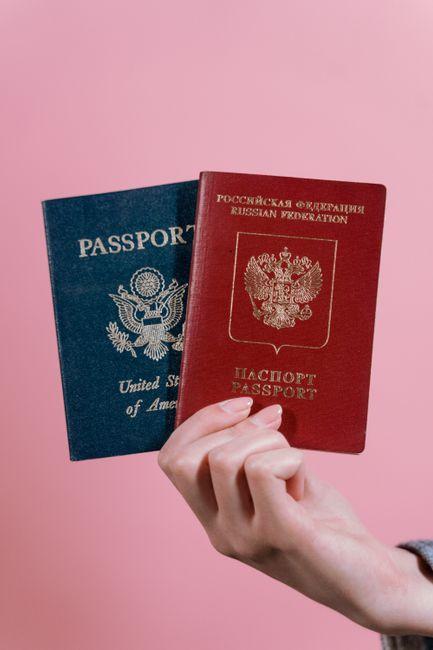
Navigating Personal Histories Through the Lens of Dual Citizenship
When Maria began the journey to reclaim her Italian citizenship, she wasn’t just filling out forms-she was unraveling threads of her family’s past that had long felt distant and abstract. Each document she uncovered-a birth certificate here, a marriage license there-became a window into stories of migration, resilience, and sometimes loss. What started as a practical desire to simplify travel turned into an intimate exploration of identity, revealing how intertwined her present was with decisions made decades before her birth. Her experience highlights a common tension many face: the expectation that dual citizenship is a straightforward legal process, contrasted with the emotional complexity of reconnecting with ancestral roots that may have been severed by time and circumstance.
Consider the case of Jamal, who sought Canadian citizenship to access better opportunities for his children. Initially, he viewed the second passport as a pragmatic tool, a safeguard against instability. Yet, during the discovery process, he confronted unexpected questions about cultural belonging and personal history: Which country did he truly call home? How did his Palestinian heritage intersect with his Canadian identity? His decision-making moments, such as enrolling his children in Arabic classes or celebrating traditional festivals, reflected a deeper negotiation between heritage and present reality. These moments are a reminder that dual citizenship often surfaces profound reflections on belonging, not just borders. Below is a brief outline of factors often weighing on individuals as they balance personal histories and new identities:
- Family legacy: Unearthing historical contexts through genealogy and archives
- Cultural connection: Maintaining traditions versus adapting to new social norms
- Legal and bureaucratic hurdles: Navigating often complex nationality laws that may clash with personal understanding of identity
- Emotional impact: Reconciling past traumas, hopes, or pride associated with ancestral nations
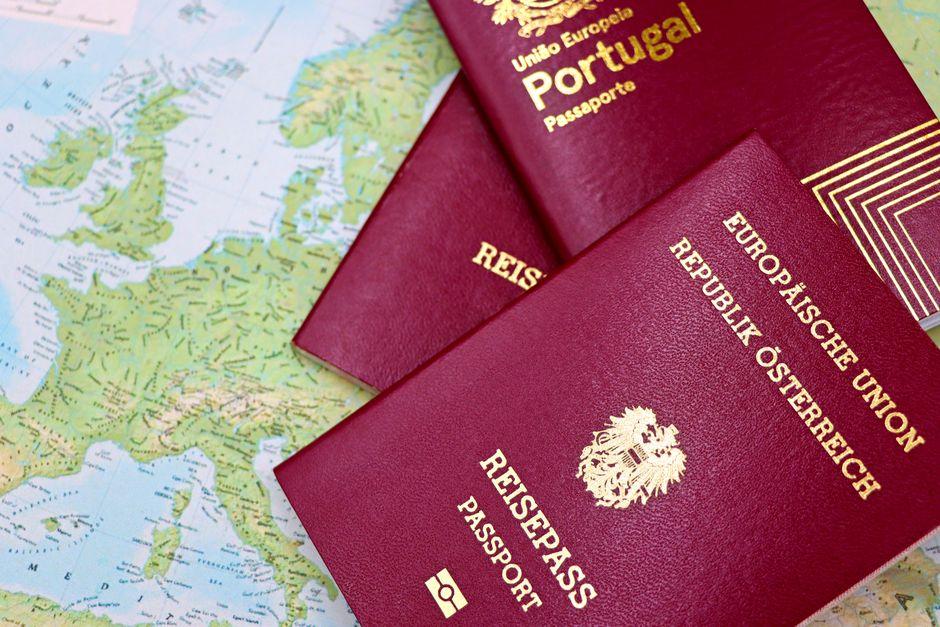
When Roots and Routes Collide Amid the Quest for New Passports
When Lina decided to apply for citizenship in her grandfather’s homeland, she imagined a seamless embrace of her heritage-a straightforward addition to her identity. But the reality was far more complex. At the border of her old and new lives, Lina grappled with a mosaic of emotions and administrative hurdles that forced her to confront what “roots” and “routes” truly meant. While her paperwork confirmed ancestral ties, cultural dissonance surfaced when she moved to her newfound country. Local customs, language nuances, and societal expectations didn’t align with the simplified narrative of returning “home.” Her journey underscored the unexpected tension between reclaiming known origins and navigating unfamiliar geographies. This tension wasn’t just a legal formality but a deeply personal reckoning with belonging, identity, and the fluid nature of both.
- Expectation: A smooth transition into a heritage country, feeling instantly connected.
- Reality: Language barriers, cultural gaps, and a sense of being an outsider despite bloodline.
| Decision Point | Lina’s Experience | Common Assumption |
|---|---|---|
| Commencing citizenship process | Excitement and pride in reconnecting with roots | A symbolic act reaffirming identity |
| Living in the new country | Facing cultural challenges and unexpected dissonance | Instant belonging and acceptance |
Similarly, Adam’s aspiration to acquire a second passport for practical routes-better career prospects and travel freedom-revealed a quieter, internal collision. Initially, his objective was simple: obtain the document, unlock opportunities, and maintain his current lifestyle with ease. But as the process unfolded, Adam realized that the passport carried a weight beyond utility. It prompted questions about his allegiance, his cultural positioning, and what it meant to call any place “home.” For Adam, the journey from a logistical convenience to a profound personal transformation wasn’t planned but unavoidable. His story illustrates that the pursuit of new citizenship is not only about crossing borders on paper but negotiating the internal borders between past, present, and future selves.
Unpacking the Emotional Terrain Behind Legal Documents and Belonging
When Maria first submitted her application for a second citizenship, she expected a neat package of legal documents to symbolize a straightforward new chapter-a set of papers that would unlock options, security, and a fresh identity. Instead, what she faced was an emotional labyrinth. Each form, affidavit, and certification wasn’t just a bureaucratic hurdle but a mirror reflecting her shifting sense of home and self. The legalese masked deeper questions: What parts of my heritage am I willing to prioritize? How much do I need to prove my connection to a place that isn’t my birthplace? It was in moments like waiting for official stamps or preparing exhaustive proofs of ancestry that Maria confronted the fragile edges of belonging, wrestling with feelings of doubt, pride, and sometimes guilt.
Consider Samir’s story, who applied for citizenship through investment. Initially driven by opportunity and flexibility, he was surprised to encounter an unexpected emotional cost: the transactional nature of the process made him feel more like a client than a future citizen. His decision to push through wasn’t just about gaining a passport but about finding ways to integrate that paperwork into a meaningful identity. The contrast between expectations and experience became clear:
| Expectation | Reality | Lesson Learned |
|---|---|---|
| Citizenship as a simple legal status | Citizenship as an emotional process requiring personal storytelling | Legal documents reveal complex ties that must be reconciled internally |
| Belonging comes automatically with a passport | Belonging demands time, relationships, and cultural navigation | True belonging is a lived experience, not just a documented fact |
- The unexpected emotional toll can challenge even pragmatic individuals.
- Legal documentation becomes a canvas for identity negotiation, not just proof.
- Belonging transcends paperwork, requiring ongoing engagement with new communities and histories.
Stories of Connection and Displacement from the Pursuit of Another Homeland
When Elena first embarked on her journey for a second citizenship, she imagined a seamless transition-a new beginning in a land that promised stability and opportunity. Her roots in Venezuela, however, made the process bittersweet. With a heavy heart, she left behind the vibrant street markets and close-knit community to embrace a more orderly but unfamiliar life in Portugal. The emotional complexity of this move unfolded in moments like her first birthday abroad, a quiet reminder of the distance between her past and present. Elena’s story, echoed by many in diaspora, highlights that the pursuit of another homeland often becomes a dance between connection and displacement, where gain and loss coexist quietly beneath practical decisions.
Contrast this with Amir, a tech entrepreneur who strategically acquired citizenship in Estonia for ease of business expansion. For him, the motivation was less about emotional belonging and more about global mobility and economic leverage. Yet, even Amir encountered unexpected nuances-a realization that legal papers and passports did not automatically translate into social acceptance or a sense of ‘home.’ Their experiences underscore key lessons:
- The promise of “a second homeland” often comes with invisible costs-identity shifts, community ties broken, and the emotional labor of adaptation.
- Obtaining citizenship may solve practical challenges but it rarely resolves the deeper questions of belonging that define identity.
- Decision moments-whether to follow the heart or the logical path-shape not only legal status but lifelong personal narratives.
| Individual | Motivation | Expected Outcome | Experienced Reality |
|---|---|---|---|
| Elena | Stability & community | New beginnings with emotional security | Feelings of displacement alongside hope |
| Amir | Business expansion & mobility | Seamless access to global markets | Complex social integration beyond legal status |
The Unexpected Revelations Found in Applying Beyond One’s Native Borders
When Maria, a software developer from Brazil, first began the process of applying for Portuguese citizenship, she envisioned a straightforward transaction-exchange one passport for another, gain easier access to Europe, and advance her career. Yet, the journey unraveled a much deeper exploration of her identity and roots. As she navigated through genealogical records, she encountered stories of her ancestors’ migration waves, wars, and cultural assimilation that she had only vaguely known. Each document she submitted was less a bureaucratic requirement and more a thread pulling her into a complex tapestry of heritage and history. The experience challenged her initial expectation of citizenship as a mere legal status and instead unveiled a profound connection to heritage and belonging she had never consciously acknowledged.
Similarly, James, an entrepreneur from Canada aiming for Caribbean citizenship to optimize his business operations, expected the process to be largely transactional. However, the island’s community engagement requirements and language immersion mandates slowed down his plans but enriched his perspective. He found himself participating in local festivals, learning Creole phrases, and rethinking what it meant to be part of a society beyond passports and tax benefits. These unexpected cultural investments transformed his view of citizenship from a strategic asset into a bridge of mutual responsibility and identity. Reflecting on these experiences, several key revelations often surface for applicants:
- Genealogical Discoveries: Uncovering family histories often brings unexpected emotional reconnections.
- Cultural Integration: Beyond paperwork, true belonging requires embracing local customs and values.
- Legal vs. Emotional Citizenship: Legal status can open doors, but emotional ties build lasting identity.
| Expectation | Reality |
|---|---|
| Applying citizenship = Quick legal benefit | Application process = Deep cultural and historical learning |
| Second passport as a business tool | Citizenship involves community ties and personal transformation |
| Citizenship is about borders | It often reveals layered identity and heritage beyond geography |
In Retrospect
As we navigate the intricate journey of seeking a second citizenship, it becomes clear that this quest is about far more than acquiring another passport. It is a profound exploration of identity, belonging, and the fluid lines that define who we are in an increasingly interconnected world. In crossing these symbolic borders, we uncover not only new legal statuses but also deeper insights into ourselves-revealing that identity is not a fixed destination, but a crossroads where culture, experience, and choice converge. Ultimately, the pursuit of a second citizenship invites us to reconsider the meaning of home and reminds us that in the tapestry of human experience, borders may separate, but they also connect.




