
In a world that seems simultaneously smaller and more divided, the pursuit of a second citizenship has become a journey laden with complexity and meaning. More than a legal status or a strategic asset, acquiring another nationality challenges our notions of belonging, identity, and the very idea of home. “Beyond Borders” invites readers to navigate this multifaceted voyage-not just through paperwork and policies, but through the personal stories and lessons that reveal what it truly means to cross the invisible lines that shape our lives. This exploration uncovers how the quest for a new passport can reshape one’s sense of self and redefine the boundaries we call home.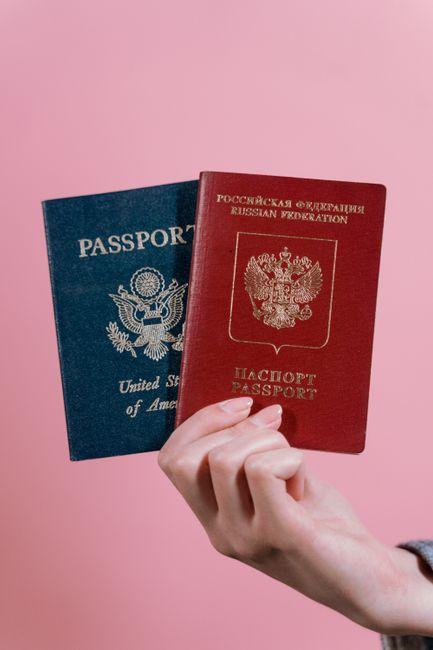
Tracing the Quiet Moments That Spark the Desire for a New Homeland
Maria, a graphic designer in her early 30s, first felt the tug toward a new homeland during a routine morning commute in her bustling city. It wasn’t a grand event but a quiet accumulation of small disenchantments: the rising cost of living, the rigidity in her work environment, and a subtle but persistent feeling that opportunities elsewhere were more aligned with her aspirations. These moments-catching snippets of conversations about distant places on the subway, reading stories of friends who found fulfillment abroad-planted the seed for her to consider a second citizenship. It was less about fleeing hardship and more about pursuing the potential of a life imagined differently. Such personal reflections often precede the pragmatic steps that follow, crystallizing the desire to explore beyond familiar borders.
Similarly, Ahmed’s story reflects a more calculated realization. As an entrepreneur in a country experiencing political uncertainty, the quiet late-night hours spent reviewing global markets unveiled the risks and limitations tethered to his current passport. The contrast between his expectations-ease of travel, access to new networks, family security-and the reality of increasing visa restrictions became stark. His decision moment came when his young daughter needed specialized healthcare unavailable locally. These instances reveal how the decision to seek a second citizenship often emerges from a confluence of personal experiences and hopeful projections, each deeply layered with practical implications:
| Trigger Moment | Expectation | Reality/Lesson Learned |
|---|---|---|
| Rising living costs and job dissatisfaction | A more flexible and fulfilling career abroad | Process can be lengthy; cultural adaptation takes time |
| Health and family security concerns | Access to better healthcare systems | Citizenship is not an immediate fix; planning long-term matters |
- Small, quiet moments often reveal where one’s heart and practical needs intersect, prompting a deeper exploration of what “home” truly means.
- The leap to a second citizenship is less about escape and more about building layers of security and opportunity, shaped by both expectations and the reality of complex immigration landscapes.
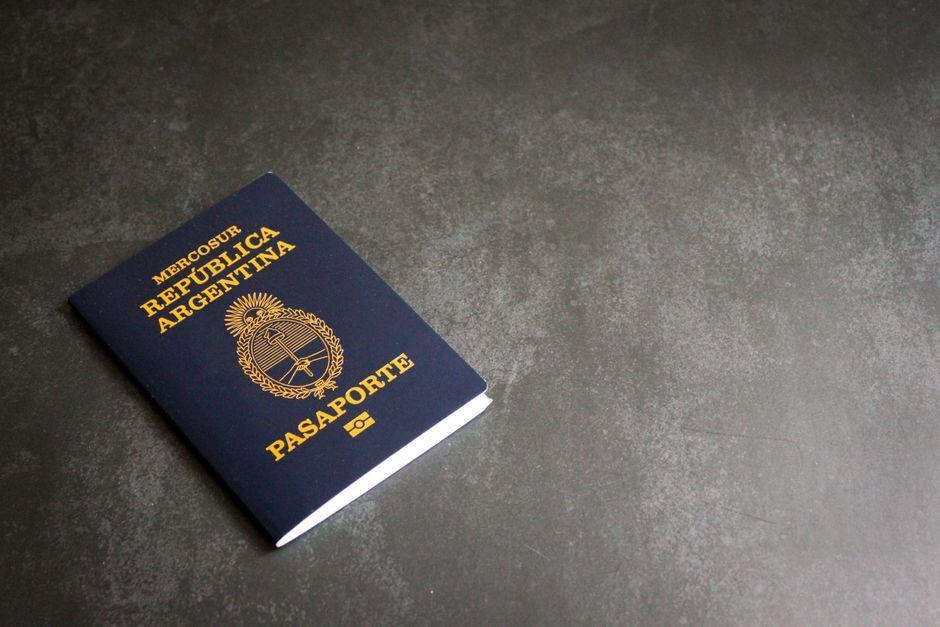
Encounters with Bureaucracy and Belonging on the Path to Dual Citizenship
When Anna first embarked on the path toward dual citizenship, she imagined a straightforward process-submit the forms, wait a few months, and finally hold her second passport in hand. Reality, however, often painted a more complex picture. Navigating bureaucracy became a frequent test of patience: from deciphering obscure legal jargon to chasing after elusive documents that her original country had no quick way of providing. It was in these moments-standing in long queues, dealing with contradictory instructions online, or receiving puzzling requests for additional paperwork-that Anna realized dual citizenship was less about the end goal and more about perseverance and adaptability. Each interaction revealed contrasting expectations: the dream of seamless integration clashed with a system entrenched in layers of rules that rarely accounted for individual stories.
But these encounters with bureaucracy also shaped Anna’s understanding of belonging in unexpected ways. She met others in waiting rooms-an elderly man who was reclaiming citizenship lost during political turmoil, a young woman navigating the process for the first time while raising two kids, and countless stories in between. Amid this camaraderie, she came to appreciate the symbolic weight carried by small bureaucratic rituals: the act of signing forms was not just a procedural step but a tacit acknowledgment of identity and acceptance. What bureaucracy stripped away in friction and frustration, it restored by affirming one’s place within a nation’s legal and cultural fabric. This journey unveiled two key lessons:
- Patience is essential: Administrative delays and document requests may feel like setbacks, but they’re often opportunities to prepare better and clarify one’s own ties to each country.
- Belonging is negotiated: Citizenship isn’t merely granted; it’s constantly shaped by an individual’s interaction with laws, communities, and personal histories.
| Stage | Expectation | Reality | Lesson |
|---|---|---|---|
| Document Submission | Complete once, done forever | Multiple rounds of requests for clarification | Attention to detail matters |
| Interview Process | Formal, quick, and clear | Informal chats that reveal your story | Personal narratives impact acceptance |
| Waiting Period | Months of silent waiting | Ongoing status checks and nervous anticipation | Resilience builds over time |
When Papers and Passports Unveil Personal Roots and New Realities
When Ana first held her second passport, the reality felt surreal-a thin booklet loaded with stamps and visas, yet heavier with unspoken stories. Growing up in Brazil, Ana’s identity was deeply entwined with the warmth of her hometown, the samba rhythms, and family gatherings. But when she received citizenship in Portugal through her grandmother’s lineage, she expected an immediate sense of belonging, a new home waiting seamlessly. Instead, she discovered that papers could merely open doors, while the emotional ties to “home” remained complex and often contradictory. At airports and embassies, her dual identity shuffled between privilege and uncertainty-a reminder that while her passport could grant access, the feeling of place required far more than any document could confer.
Consider the experience of Mark, who acquired Canadian citizenship after years of business relocation. Contrary to his hopes of immediate integration, the official recognition highlighted subtle cultural distances and layers of adaptation he hadn’t anticipated. The decision moments-whether to engage in local customs, speak up in community forums, or revisit the idea of “home” altogether-became deep, personal lessons. The process unmasked assumptions: citizenship is not just a legal status but a continuous negotiation between past roots and present realities. Key takeaways emerge from these journeys:
- Legal identity does not instantly translate to emotional belonging.
- Each new citizenship is a starting point for rethinking personal narratives.
- Individual experiences highlight the tension between formal rights and cultural assimilation.
| Expectation | Reality | Lesson |
|---|---|---|
| Immediate sense of belonging | Encountering emotional and cultural distance | Belonging is cultivated, not granted |
| Enhanced mobility and opportunity | Facing new bureaucracies and identity challenges | Citizenship is a tool, not a solution |
Stories of Connection and Displacement from Those Who Have Crossed Borders
When Maria left her hometown in Colombia to pursue citizenship in Spain, she imagined a seamless transition-a new identity, new opportunities, and a clear sense of belonging. Instead, she found herself navigating a liminal space between worlds. At family gatherings back home, she was now ‘the one who left,’ carrying the weight of missed birthdays and shifting cultural ties. In Spain, although her paperwork was finally in order, Maria struggled with the subtle but persistent feeling of being an outsider-her accent, the customs, even daily grocery shopping felt foreign. These moments of quiet displacement taught her that citizenship is as much an emotional journey as a legal one. The formal recognition granted her rights, but it did not erase the complex layers of identity and connection she carried.
Contrast this with Ahmed, who sought second citizenship for pragmatic reasons-to expand his business and provide educational options for his children. His move from the UAE to Canada was strategic and measured, yet the reality included unexpected emotional dilemmas. At one point, he had to choose between a lucrative opportunity back home and a new, slower pace of life that he worried might limit his family’s cultural exposure. Ahmed’s story reveals the often unspoken trade-offs immigrants face: a legal document opens doors, but does not guarantee a feeling of home. Both Maria and Ahmed highlight a shared truth-acquiring a second citizenship often blends hope with uncertainty, where connection and displacement are intertwined experiences.
- Expectation: Instant belonging and acceptance in the new country.
- Reality: Gradual adaptation coupled with moments of isolation.
- Decision Moment: Choosing between familial ties and new professional opportunities.
- Lesson: Home is not solely defined by legal status, but by ongoing relationships and identity negotiation.
| Person | Country of Origin | Second Citizenship | Key Emotional Challenge | Major Lesson Learned |
|---|---|---|---|---|
| Maria | Colombia | Spain | Balancing cultural identity with new social norms | Belonging evolves beyond legal status |
| Ahmed | UAE | Canada | Managing cultural expectations and professional choices | Home is a blend of opportunity and cultural connection |
Reflections on How Seeking Home Abroad Reshapes Our Understanding of Identity
When Ana, a software engineer from Brazil, decided to pursue citizenship in Portugal, she imagined the process as a straightforward passport exchange-an upgrade that would open doors to Europe’s job market and vibrant culture. Yet, halfway through her paperwork marathon and series of interviews, Ana found herself confronting a deeper question: What does it really mean to be “at home” when your roots are still firmly planted thousands of miles away? The cozy rhythms of her Lisbon neighborhood contrasted sharply with nostalgic memories of family gatherings in São Paulo. Each interaction, from ordering coffee to navigating bureaucracy, made her reevaluate how identity is woven not just through legal documents, but through lived experience, belonging, and the ongoing negotiation between the familiar and the new.
These moments of reflection are common among those on the path to a second citizenship. The journey often reveals tensions between expectations and reality, such as:
- Expectation: A new citizenship instantly grants a sense of belonging.
Reality: Feelings of estrangement or cultural dissonance may persist for years. - Expectation: Legal status changes will simplify life.
Reality: New challenges in adapting to social norms or confronting subtle biases arise.
Understanding identity as fluid rather than fixed helps make sense of these contradictions. Take the example of Raj, an Indian-born professional who acquired Canadian citizenship after years of living in Toronto. His official status changed overnight, but his personal sense of identity was layered-rooted in his upbringing, his current community ties, and the cultural dynamics he constantly navigated. This complexity defies simple classification and challenges the notion that citizenship is the ultimate marker of who we are. Instead, it becomes one chapter in an ongoing story, shaped by the interplay of where we’re from, where we choose to live, and the daily decisions that redefine “home.”
| Aspect | Before Second Citizenship | After Second Citizenship |
|---|---|---|
| Sense of Belonging | Rooted primarily in birth country, often with feelings of exclusion abroad. | Hybrid identity emerges, mixing loyalty, familiarity, and occasional cultural friction. |
| Legal Rights | Limited rights and mobility outside birth country. | Expanded rights, but not always seamless integration socially or emotionally. |
| Self-Perception | Identity linked to heritage and upbringing. | Identity embraces complexity: belonging to multiple places but fully to none. |
Key Takeaways
In the end, the pursuit of a second citizenship is more than a legal or logistical endeavor-it is a profound exploration of identity, belonging, and the fluid nature of home. As borders blur and the world becomes increasingly interconnected, each new passport held is a chapter in a broader story about freedom, security, and self-discovery. Beyond the paperwork and policies lies an invitation to reconsider what it truly means to belong-not just to a place on a map, but to the idea of home itself, ever evolving and endlessly personal.




