
In a world increasingly connected yet distinctly divided, the experience of belonging to two places at once is both a gift and a challenge. For dual nationals, identity is not a simple label but a fluid journey that navigates the spaces between cultures, languages, and expectations. Caught between two worlds, they often find themselves balancing competing allegiances while forging unique paths that transcend borders. This article delves into the intricate landscape of dual nationality, exploring how individuals reconcile their multifaceted identities and create a sense of belonging amid the complexities of a divided heritage.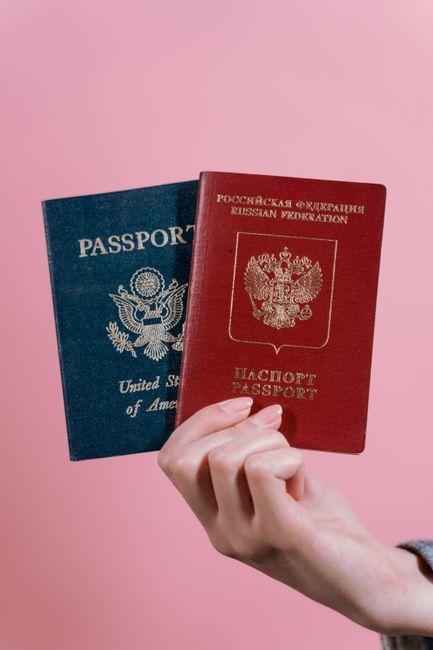
Roots in Flux Exploring the Emotional Terrain of Dual National Identity
For many dual nationals, the emotional landscape of identity is rarely static; it shifts like the tide, influenced by moments both profound and mundane. Take Ana, born to Mexican parents in Canada. Growing up, her life oscillated between vibrant family gatherings echoing with Spanish laughter and school days where English dominated. In her early 20s, a visit to Mexico revealed unexpected feelings of alienation-despite sharing language and heritage, she struggled to fully belong. This tension wasn’t just about language or customs but a deeper tug-of-war between who she was raised to be and who she felt in that moment. These emotions often arise in everyday encounters-a casual conversation that suddenly highlights cultural nuances, or the surprise of being stereotyped by both communities. Dual nationals frequently navigate this uncertain middle ground, where belonging is not a fixed destination but an ongoing discovery.
Decision points mark the journey as well, such as when Omar, holding both Egyptian and French citizenship, had to choose where to pursue higher education. Family expectations favored Egypt, a nod to tradition and cultural roots, while his personal ambition leaned towards France’s academic opportunities. This choice illustrated a broader conflict between external pressures and internal desires, revealing how identity can be intertwined with opportunity as much as heritage. These moments reveal key lessons: identity is multifaceted, and dual nationals often learn to wear different parts of their selves according to context. The ideal of full integration into one culture often clashes with the more realistic experience of living “in-between.”
- Emotional flux: Feelings of belonging can rise and fall, shaped by context and relationships.
- Contextual identity: Identity expression often changes depending on social settings and cultural cues.
- Decision crossroads: Life choices can amplify identity tensions but also promote growth and self-acceptance.
| Expectation | Reality |
|---|---|
| Seamless integration into both cultures | Often experiences feeling partially accepted or misunderstood in either culture |
| Clear-cut identity | Identity tends to be layered and contextual rather than fixed |
| Family support aligns with personal identity | Family expectations may conflict with individual aspirations and self-perception |
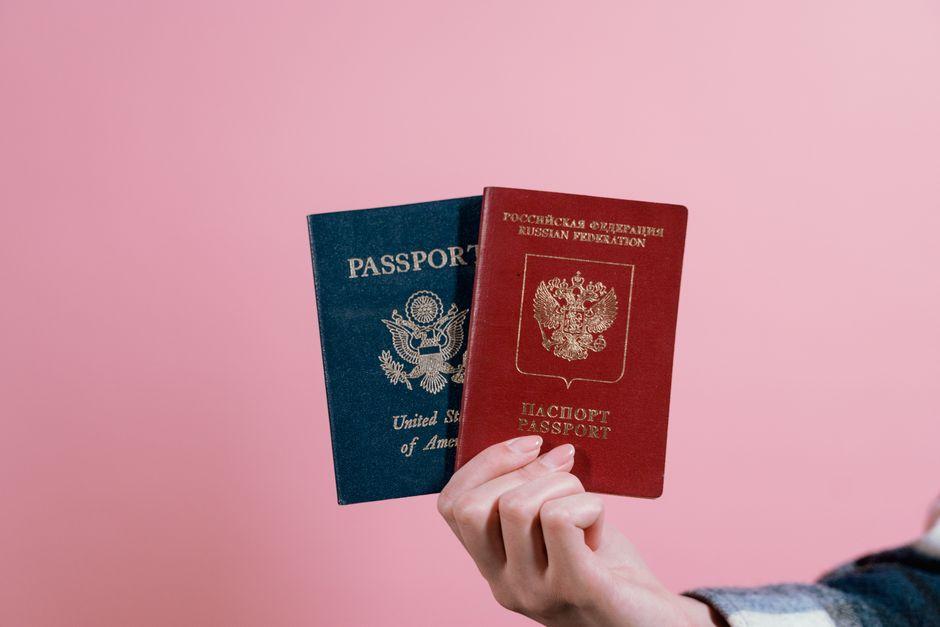
Crossroads of Belonging When Two Cultures Shape One Life Experience
Imagine Sara, whose parents emigrated from Mexico to Canada before she was born. At home, she speaks Spanish, celebrates Día de los Muertos with colorful altars, and savors abuela’s mole recipe passed down through generations. Yet, at school, Sara is immersed in Canadian winter festivals and hockey culture, where accents aren’t as common and “family” weekends revolve around snowboarding trips. Caught between these worlds, Sara experiences moments of profound delight and subtle confusion-like when she tries to translate a heartfelt phrase from Spanish to English and finds the meaning gets a little lost. She wonders if she is fully “Mexican” because she doesn’t speak the language perfectly, and simultaneously questions her “Canadianness” when her cultural references don’t always land with classmates. This crossroads, where two cultures converge, often forces dual nationals into a dance of balancing expectations and reality. They learn that identity isn’t a static label but a mosaic of experiences fluidly shifting with context.
Decisions made at this intersection frequently bring both clarity and challenge. Take Jamal, born to Nigerian immigrants in the UK, who must decide whether to attend a traditional family wedding in Lagos or a much-anticipated university ceremony in London. This decision isn’t just about geography; it symbolizes the negotiation of belonging to both worlds simultaneously. Dual nationals like Jamal often develop a unique set of skills – including cultural agility and empathy – while facing moments of isolation when others expect absolute allegiance to one culture. The contrasting expectations can lead to internal tension but also foster resilience. Understanding this crossroads means recognizing the strength in dual narratives – the ability to draw lessons, language, and values from each culture and weave them into a dynamic identity that defies singular definition.
- Cultural Code-Switching: Adapting language and behavior depending on social or familial context, which can sometimes feel like splitting one’s self.
- Identity Validation: Experiencing the need to prove authenticity to both cultural communities, which may have differing expectations.
- Choice of Belonging: Making conscious life decisions, from education to relationships, that reflect elements from both heritages.
| Expectation | Reality |
|---|---|
| Full fluency and cultural knowledge of ancestral language | Partial fluency, with gaps accepted as part of hybrid identity |
| Clear-cut cultural loyalty to one nation | Fluid, sometimes overlapping sense of belonging to multiple places |
| Seamless blending of two cultures | Periodic cultural friction and negotiation |
The Quiet Struggles of Balancing Language Family and Tradition
For many dual nationals, the negotiation between language, family, and tradition unfolds quietly yet persistently at home. Take Sofia, born to a Spanish father and an American mother, who recalls weekends at her grandparents’ house filled with rapid-fire Spanish conversations, traditional recipes, and cultural lore. Yet at the dinner table, her mother gently encouraged English, worried that Sofia might lose connection with her birth country’s language and, by extension, her identity. These moments-deciding whether to respond in one language or another-carry more weight than they outwardly suggest. They shape the child’s confidence and sense of belonging, sometimes causing unspoken tension or guilt when linguistic expectations collide. It’s not uncommon for children like Sofia to grapple silently with questions: Does choosing one language mean rejecting the other? And do these choices render them more or less “authentic” members of their families’ cultures?
Families navigating these waters often find themselves caught between cultural preservation and integration, a balance rarely achieved without compromise. Consider the typical dilemma at a family gathering:
| Expectation | Reality |
|---|---|
| Speak native language exclusively to maintain tradition | Children switch to dominant societal language for ease or clarity |
| Pass down traditional customs unaltered | Customs evolve, adapting to new cultural influences |
Parents, aware of diminishing fluency or fading traditions, often wrestle internally: Is it more important to preserve every detail of cultural heritage, or to foster a sense of belonging that feels relevant in today’s world? The answer often lies not in perfection but in intentionality-celebrating language and tradition enough to anchor identity, while leaving room for new hybrids that define dual nationality lived authentically.
Moments of Clarity Finding Harmony Amid Conflicting Loyalties
Maria, born in Mexico but raised in the United States, vividly recalls the summer she visited her extended family back home. The warmth of reconnecting clashed sharply with the subtle expectations her relatives held: to fully embrace their cultural habits, language, and traditions. At a family dinner, when asked about her future plans, Maria hesitated-her dreams of attending a U.S. university seemed distant from her family’s hopes for her to pursue a more traditional path locally. This moment crystallized the internal tug-of-war many dual nationals face: honoring one identity without feeling like a stranger to the other. It’s in these crossroads that many find the profound lesson that belonging comes not from perfect assimilation but from owning the complexity of their identity.
Similarly, Daniel, who holds both Canadian and Lebanese citizenships, faced a starkly different challenge during his mandatory military service call in Lebanon. He wrestled with guilt over leaving his Canadian home behind and uncertainty about his role in Lebanon’s army. But what shifted his perspective was an unexpected camaraderie with fellow soldiers who, like him, straddled conflicting worlds. Through small acts of mutual respect and shared purpose, Daniel realized the power of finding harmony within the friction-acknowledging that neither identity is a burden but a bridge. These moments of clarity reveal that dual nationals often don’t have to choose between loyalties; instead, they navigate a unique space where multiple communities and values co-exist, enriching rather than diluting their sense of self.
- Key takeaway: True belonging may lie not in fitting a single mold but in embracing tensions between cultures.
- Decision moment: Choosing where and how to express specific cultural ties without feeling forced to prioritize one over the other.
- Lesson learned: Identity is fluid and multilayered, and clarity often emerges from embracing-not resolving-internal conflicts.
| Situation | Expectation | Reality & Lessons |
|---|---|---|
| Maria’s family visit | Conform to familial cultural ideals fully | Discovered belonging through accepting hybrid identity |
| Daniel’s military service | Serve loyally to one nation, feeling torn | Found solidarity bridging dual identities and collective respect |
Beyond Borders Embracing the Strength Found in Dual Perspectives
When Sofia moved between her two homes-country A, where she was born, and country B, where her parents came from-she learned early on that her identity wasn’t a fixed point but a fluid blend of experiences. At family gatherings in country B, she carried stories from country A, adding new flavors to traditional meals and introducing friends to unfamiliar customs. Conversely, in country A, she embraced her parents’ language and values, often surprising peers who assumed her background was singular. This dual perspective meant she often navigated moments where expectations clashed with reality; for instance, when her classmates expected her to conform wholly to one culture, she had to choose between assimilation or authenticity. Each choice challenged her but also strengthened her resilience, teaching her that belonging isn’t about fitting neatly into a box but finding strength in the mix.
Consider the case of Omar, a dual national who faced a career crossroads: taking a job in his birth country with familiar routines or a challenging role in his parents’ homeland, where he could leverage both cultural fluency and language skills. His decision wasn’t just professional-it was deeply personal, intertwining identity and opportunity. The leap into the less familiar environment tested Omar’s adaptability but ultimately expanded his network and worldview, blending his two worlds into a unique professional asset. Below is a snapshot of contrasts he faced and lessons learned, reflecting the practical advantages embedded in dual national experiences:
| Challenge | Expectation | Outcome | Lesson Learned |
|---|---|---|---|
| Language barriers in parents’ country | Communication would be difficult | Rapid improvement and deeper cultural connection | Immersion accelerates integration beyond surface-level fluency |
| Professional norms and etiquette differences | Hard to adapt after years abroad | Leverage dual perspectives to bridge gaps | Flexibility expands leadership potential across cultures |
| Sense of belonging | Always a foreigner | Developed as a cultural ambassador | Embracing duality creates unique roles and identities |
- Dual perspectives aren’t limitations but tools enabling nuanced understanding and empathy.
- Embracing complexity fosters connection, allowing individuals to act as cultural bridges rather than outsiders.
- Identity is dynamic; recognizing this opens pathways to personal growth and broader belonging.
In Summary
In the delicate dance between cultures, dual nationals often find themselves weaving narratives that transcend borders and conventional definitions of home. Their journeys illuminate the fluid nature of identity, reminding us that belonging is not a fixed destination but an evolving tapestry of experiences, emotions, and connections. As the world grows ever more interconnected, the stories of those who live between two worlds invite us to embrace complexity, celebrate hybridity, and reconsider what it truly means to belong. In navigating these liminal spaces, they chart paths not only for themselves but for a future where identity is as multifaceted as the lives we lead.




