
In an increasingly interconnected world, the concept of identity is growing more complex, no longer confined to the borders of a single nation. Triple citizenship-a status that allows an individual to hold legal allegiance to three countries simultaneously-embodies this evolving reality. But what exactly does it mean to be a triple citizen? Beyond the straightforward idea of multiple passports, this unique status opens a gateway to diverse opportunities, distinct challenges, and a fascinating web of legal nuances. In this article, we delve into the intricate world of triple citizenship, exploring how it works abroad, the benefits it offers, and the hurdles those holding multiple nationalities may face along the way.
Understanding Triple Citizenship and Its Legal Landscape Across Countries
Triple citizenship occurs when an individual legally holds nationality from three different countries simultaneously. This status goes beyond dual citizenship by adding an extra layer of legal complexity, as each nation has distinct regulations governing citizenship acquisition, retention, and loss. Countries vary widely in their acceptance of multiple citizenships; some allow unrestricted triple nationality, while others impose strict conditions or outright prohibit holding more than one passport. For example, the United States and Canada permit multiple citizenships but require disclosure of all nationalities, whereas countries like Japan generally demand renunciation of other citizenships upon reaching adulthood. Understanding these nuances is crucial since triple citizenship can impact rights such as voting, taxation, military service, and eligibility for public office, often depending on the specific bilateral agreements or restrictions between the involved nations.
While triple citizenship offers tangible benefits-such as enhanced global mobility, expanded work and residency options, and access to social services in multiple countries-it also presents challenges that should not be overlooked. These may include:
- Complex tax obligations: Citizens might be liable for taxes in more than one jurisdiction, complicating financial planning.
- Legal conflicts: Nations may have conflicting laws on matters like inheritance or military duty, potentially putting individuals in difficult positions.
- Administrative burdens: Managing passports, renewals, and compliance with different countries’ rules demands careful attention and often legal advice.
To navigate these challenges effectively, individuals considering or holding triple citizenship should consult with immigration experts, keep abreast of changing legislation, and weigh the pros and cons specific to each country involved. A simple overview of multiple citizenship policies among common countries highlights this diversity:
| Country | Allows Triple Citizenship? | Key Restrictions or Notes |
|---|---|---|
| United States | Yes | Requires full disclosure but recognizes multiple nationalities |
| Germany | Rarely | Generally prohibits triple citizenship unless in special cases |
| India | No | Does not allow dual or triple citizenship; Overseas Citizenship of India is alternative |
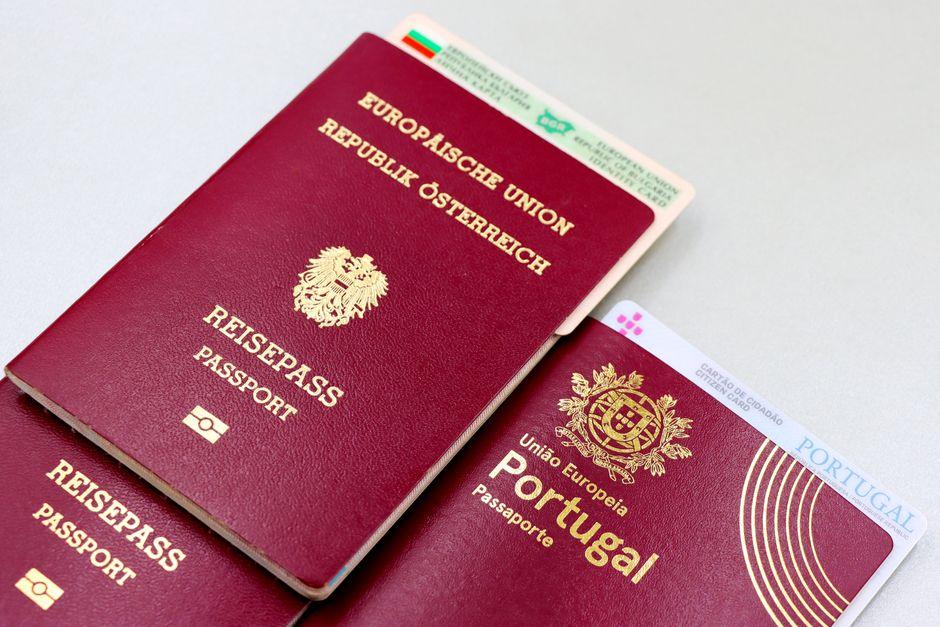
Navigating the Advantages and Potential Pitfalls of Holding Three Passports
requires a careful balance between the unique freedoms and the complex responsibilities it entails. Triple citizenship often provides unparalleled mobility, allowing holders to travel visa-free or obtain work permits more easily across multiple regions. This can open doors for international business, education, and cultural exchange, while also offering fallback options in times of political or economic instability. Additionally, triple citizenship can enhance access to social benefits, healthcare, and property ownership in each country, effectively broadening personal and professional opportunities. It’s important, however, to consider that not all countries recognize multiple citizenships equally, and some may impose restrictions that limit the practical use of your passports.
On the other hand, managing three passports comes with potential complications that merit attention. Triple citizens may face increased tax obligations, as some nations tax income regardless of residency, which could lead to overlapping financial responsibilities. Legal conflicts can also arise when countries have competing laws, such as mandatory military service or obligations around diplomatic protection. For frequent travelers, understanding each country’s entry and exit requirements, as well as visa rules, prevents unwanted legal issues or complications at border control. The table below summarizes key considerations:
| Aspect | Advantages | Potential Pitfalls |
|---|---|---|
| Travel Freedom | Multiple visa-free destinations; easier global mobility | Conflicting entry laws; visa restrictions linked to specific passports |
| Legal Responsibilities | Access to social services and benefits in all countries | Double or triple taxation; mandatory national duties (e.g., military service) |
| Residency & Work Rights | Broad employment and residency options within those countries | Complex paperwork; need to maintain ties to all countries |
To effectively manage triple citizenship, staying informed about each country’s evolving laws and seeking expert advice when necessary is crucial. Prioritizing proactive organization-such as knowing renewal timelines for passports, understanding tax treaties, and maintaining good standing with each government-helps maximize the benefits while minimizing legal and financial risks.
Comparing Dual and Triple Citizenship: What Sets Them Apart in Everyday Life
| Aspect | Dual Citizenship | Triple Citizenship |
|---|---|---|
| Legal Complexity | Generally straightforward, with two sets of rights and responsibilities. | Involves navigating laws and obligations across three countries, increasing legal intricacies. |
| Travel Flexibility | Allows visa-free or reduced restrictions between two nations. | Expands travel options further, offering access to multiple regions with fewer hurdles. |
| Tax Obligations | Potential for taxation in two countries depending on residency and income sources. | Tax situations can become complicated, requiring careful planning to avoid double or triple taxation. |
| Identity and Cultural Ties | Often reflects a bi-cultural identity with clear ties to two nations. | Offers a richer multicultural experience but might bring challenges in balancing three national identities. |
In everyday life, dual citizenship offers a manageable balance between two nations’ legal systems, tax rules, and cultural identities. Owners of dual citizenship typically benefit from streamlined travel, employment, and property ownership rights in both countries. However, triple citizenship adds layers of complexity: while it broadens opportunities for work, education, and residency across three countries, it also means juggling three sets of responsibilities, including possible military service, voting requirements, and navigating conflicting legal frameworks. For example, voting in elections or mandatory military duties can become complicated if all three nations expect civic participation.
When choosing between dual or triple citizenship, practical factors often influence the decision. Those who prioritize simplicity and fewer bureaucratic hurdles might prefer dual citizenship, whereas individuals aiming for maximum global mobility or stronger family ties across continents may find triple citizenship advantageous despite the increased complexity. Key recommended considerations include:
- Evaluating tax treaties between involved countries to prevent excessive tax burdens
- Understanding each country’s stance on multiple citizenships to avoid potential legal conflicts
- Assessing how citizenship status affects access to social benefits, healthcare, and pensions
Ultimately, while triple citizenship amplifies benefits like travel freedom and cultural connectivity, it demands significant administrative awareness and proactive management in daily life compared to dual citizenship.
Key Considerations When Pursuing Multiple Nationalities Abroad
When pursuing multiple nationalities abroad, understanding the legal frameworks and obligations in each country is crucial. Some nations allow dual or triple citizenship without restrictions, while others impose limitations or require renouncing previous citizenships. For example, countries like Canada and the United Kingdom typically permit multiple citizenships, whereas Japan and China have stricter rules on dual nationality. Before applying, researching each country’s policies helps prevent unexpected legal conflicts or loss of citizenship. Additionally, consider how multiple passports might impact obligations such as taxes, military service, or voting rights, as these duties can differ sharply between countries.
Another key consideration involves the practical challenges and benefits of holding triple citizenship, especially when living or working abroad. Benefits often include increased travel freedom, access to social services, and better employment opportunities in multiple countries. However, it’s important to assess potential complications such as:
- Complexities in diplomatic protection-governments may be less able to assist you abroad if you hold multiple citizenships.
- Conflicting laws and administrative procedures, particularly for things like property ownership, inheritance, or business operations.
- Increased paperwork, such as passport renewals, tax filings, and compliance with each country’s legal requirements.
Consulting with immigration experts and legal advisors who specialize in multinational citizenship can help create a tailored strategy that maximizes benefits while mitigating challenges.
Clearing Up Common Myths About Triple Citizenship and Your Rights
Myth 1: Triple citizenship always grants equal rights in each country. While holding three passports can offer diverse travel and residency options, it’s crucial to understand that citizenship rights vary widely by nation. Some countries impose restrictions on dual or multiple citizenships, which can affect voting rights, eligibility for public office, or compulsory military service. For example, a triple citizen might be required to fulfill military obligations in more than one country or might face limitations when owning property abroad. Always verify the specific laws of each country involved to understand your full rights and responsibilities.
Myth 2: Triple citizenship doubles or triples your tax obligations. Many assume having multiple citizenships automatically means paying taxes in all countries, but tax liability is generally based on residency and income sources, not citizenship alone. While some countries like the U.S. tax worldwide income regardless of residence, others tax only income earned domestically or have tax treaties to avoid double taxation. To clarify, here’s a simplified comparison of tax responsibilities:
| Country | Citizenship Tax Rule | Residency Tax Rule |
|---|---|---|
| United States | Taxes global income for citizens | Taxes global income for residents |
| Canada | No tax unless resident or source income | Taxes global income for residents |
| Germany | No tax solely for citizenship | Taxes worldwide income for residents |
Because triple citizenship scenarios can be complex, consulting an international tax advisor and understanding each country’s legal framework is recommended to avoid surprises and protect your rights effectively.
Wrapping Up
In today’s interconnected world, triple citizenship isn’t just a legal status-it’s a gateway to expanded horizons, blending diverse cultures and opportunities into a single identity. While the path to juggling three passports comes with its own set of complexities and responsibilities, understanding the benefits and challenges helps navigate this unique terrain with confidence. Whether driven by heritage, career, or lifestyle, triple citizenship offers a fascinating glimpse into how borders blur and identities evolve, inviting us all to rethink what it truly means to belong-around the globe and beyond.




