
In a world increasingly defined by movement and connection, the concept of belonging has taken on new dimensions. For those living with dual nationality, identity is not confined to a single place or culture but exists in the fluid space between two worlds. This unique position offers a rich tapestry of opportunities and challenges, weaving together multiple histories, legal systems, and emotional landscapes. “Between Two Worlds: Navigating the Complex Journey of Dual Nationality” explores this multifaceted experience, unveiling the intricate balance of rights, responsibilities, and personal meaning that shapes the lives of those who call more than one nation home.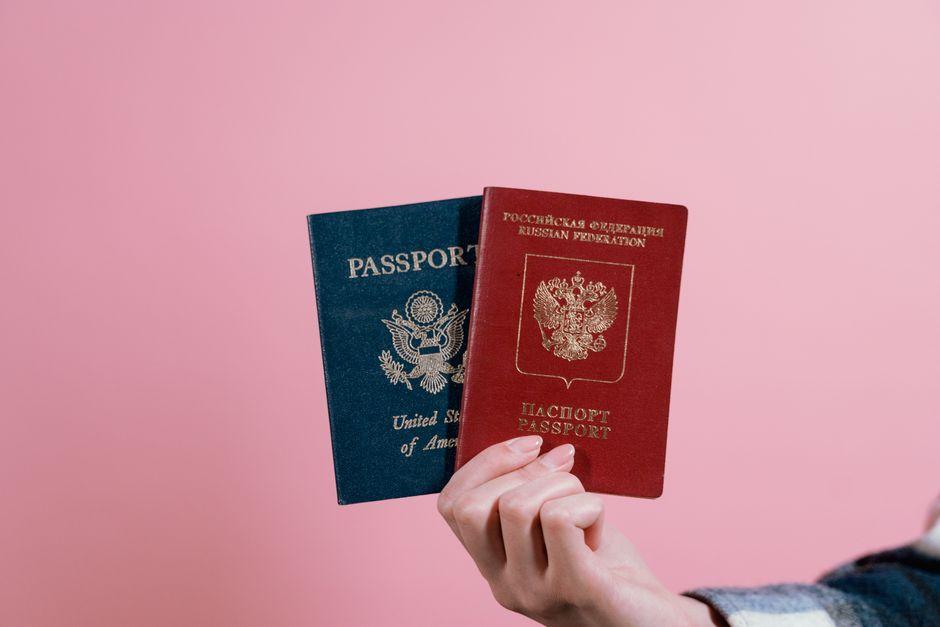
Roots Unfolding Across Borders and Cultures
When Lina first flew from her childhood home in Brazil to her mother’s birthplace in Portugal, she expected a seamless blend of two worlds. Instead, what unfolded was a complex tapestry of belonging and identity that didn’t always fit neatly. Her grandparents’ stories, rich with tradition and pride, painted one picture of heritage, while her experiences in Lisbon’s diverse city life presented another. Navigating these contrasts often led to moments of both connection and alienation-like when Lina realized that fluency in the language wasn’t enough to fully integrate into the social fabric. The warmth of shared ancestry clashed with subtle cultural nuances, reminding her that dual nationality isn’t just about passports or legal rights, but an ongoing negotiation of personal and collective histories.
Consider Ahmed, who grew up in Canada with Egyptian roots, facing expectations from each community about where he should feel more at home. His story highlights how dual nationality propels people into a decision space filled with external assumptions and internal reflections. For instance, during family holidays in Cairo, Ahmed confronted traditions that felt foreign despite his lineage-practices that challenged his sense of self and raised questions about authenticity. Yet, these moments also offered profound lessons: embracing dual nationality means accepting that one’s identity can hold multitudes and contradictions simultaneously. This lived reality teaches us that dual nationality often unfolds not as harmonious unity but as a dynamic balance between worlds, shaped by ongoing experiences rather than fixed states.
| Expectation | Reality | Lesson |
|---|---|---|
| Fluency equals belonging | Language is vital but not sufficient for cultural integration | Cultural belonging is layered and relational |
| Dual nationality simplifies identity | It often complicates self-understanding and choices | Identity is fluid and embraces contradictions |
| Heritage defines behavior and beliefs | Individual experiences within heritage vary widely | Heritage is a reference point, not a blueprint |
- Connection: Dual nationality creates unique opportunities to engage with multiple cultures deeply.
- Contrast: Expectations from different communities may clash and require negotiating personal boundaries.
- Growth: Embracing a dual identity encourages self-reflection and adaptability in diverse social contexts.
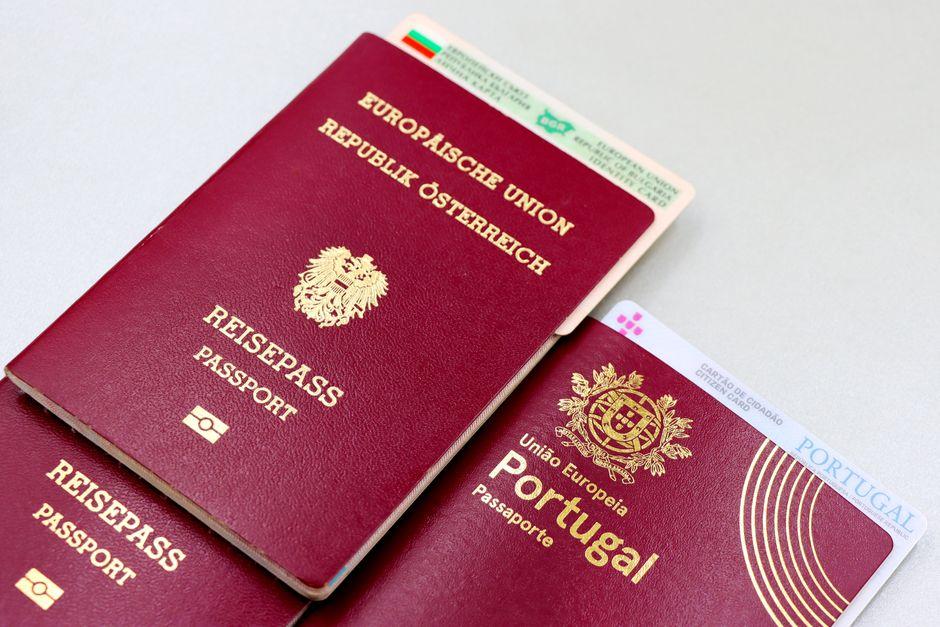
Caught Between Legal Lines and Personal Identity
Maria’s story is a common yet complex one. Born in Spain to Brazilian parents, she grew up with two languages swirling around her kitchen table and two sets of cultural expectations pulling her in different directions. When she applied for a job abroad, she realized her dual nationality wasn’t just a source of pride, but a bureaucratic minefield. Each country’s legal framework treated her entitlements differently-eligibility for social benefits, tax obligations, even conscription laws. Her legal identity was split across two systems, neither fully resonating with her personal sense of belonging. The decision to navigate these overlapping jurisdictions forced her to prioritize which nationality would offer her better mobility or security-but also made her confront a deeper question: which nationality represented the core of who she was?
Take Ahmed, for example, who inherited citizenship from his parents but grew up entirely in Germany. The legal boundaries between the two identities dictated that maintaining both citizenships was not only complicated but potentially restrictive. The expectations of dual nationality-like enhanced freedom of movement and expanded opportunities-clashed with reality when Ahmed faced mandatory military service obligations in one country while being exempt in the other. This led to difficult conversations with family, lawyers, and government officials. He learned that dual nationality often means living in the tension between two legal systems and two personal identities, finding a balance that sometimes requires sacrifice. His experience illustrates how the promise of “having it all” can transform into a juggling act, highlighting that dual nationality is as much about legal negotiations as it is about personal reconciliation.
| Challenge | Expectation | Reality |
|---|---|---|
| Social Benefits | Access in both countries | Limited due to residency requirements |
| Military Service | Exemptions or dual service | Possible conflicting obligations |
| Taxation | Clear filing process | Double taxation risks without treaties |
Moments of Clarity in Shifting National Loyalties
For many holding dual nationality, don’t arrive with fanfare-they surface quietly, often triggered by everyday experiences. Take Sara, who grew up between Mexico and Canada. For years, she felt equally attached to both countries, yet a subtle change came during a community debate about immigration policy in Canada. Suddenly, her Mexican heritage felt more immediate, not just a background fact but a lens through which she interpreted the conversation differently than her peers. It wasn’t disloyalty to Canada but a nuanced realization that her roots shaped her political and social views in ways she hadn’t fully acknowledged. This moment prompted Sara to explore more actively how her dual identity influenced her values, rather than trying to keep them compartmentalized.
These pivotal moments often involve reconciling expectations with reality. Consider Jamal, born in the United States to Nigerian parents. His family expected unwavering allegiance to Nigeria’s traditions, while his school environment encouraged patriotism to the U.S. When Jamal was drafted for jury duty, the stark responsibility to uphold the American justice system sparked an internal debate: was this a role he embraced as an American citizen, or a challenge to his deeper cultural identity? The decision to serve, initially seen as a possible betrayal of his Nigerian roots, ultimately became a profound lesson in how dual nationality is less about exclusive loyalty and more about embracing a complex, evolving relationship with two homelands. Below is a simplified contrast Jamal reflected on during this time:
| Expectation | Reality |
|---|---|
| Dual nationality means equal allegiance at all times | Loyalty can shift depending on context and personal growth |
| Choosing a ‘side’ involves sacrificing the other | It’s possible to integrate both identities in a dynamic balance |
- Lesson: National loyalties are often fluid and deeply personal, shaped by experience rather than fixed rules.
- Insight: Embracing dual nationality means accepting moments of uncertainty as part of navigating identity.
Voices of Dual Citizens Reflecting on Home and Belonging
Take Amal, born to Egyptian parents but raised in Canada, who recalls the bittersweet complexity of family gatherings where two flags adorned the walls. “At home, I felt Egyptian-steeped in traditions and language. At school, I was Canadian, trying to fit into a culture that celebrated individualism over community.” Moments like choosing which passport to use on summer trips became a subtle but vivid reminder of her split identity. Her choice wasn’t just logistical; it symbolized a deeper question: which part of herself did she want to prioritize in that moment? These decisions often came with unexpected consequences, like missing out on local benefits or feeling like an outsider in both countries. Amal’s story highlights how dual citizens often navigate a delicate balancing act, where identity isn’t fixed but fluid and situational.
Contrast Amal’s experience with Sven, a German-American who initially expected dual nationality to be an uncomplicated bridge between cultures but found the reality more tangled. When he decided to take a sabbatical to work in Germany, his American upbringing clashed with the German work culture’s formality and bureaucracy. He had to relearn social cues and legal nuances, an experience far from the seamless bilingual, bicultural image he had imagined. Sven’s journey teaches a profound lesson: belonging is less about legal status and more about lived experience-and sometimes, mere paperwork can’t erase the feeling of being an outsider. Here’s a brief look at how their daily realities contrast:
| Aspect | Amal (Egyptian-Canadian) | Sven (German-American) |
|---|---|---|
| Identity in Family | Rooted in traditions, language, and community | Functioned comfortably in both cultures, but felt dissonance abroad |
| Legal Choices | Passport use triggered identity questions | Dual nationality simplified paperwork, but not cultural adaptation |
| Sense of Belonging | Fluid and situational; felt “in-between” | Belonging challenged by social and professional environments |
- Lesson: Dual citizenship can amplify the richness of belonging but also magnify the tensions between cultural expectations and personal identity.
- Reflection: The journey isn’t just about nationality on paper, but about finding peace navigating between worlds.
Lessons Woven from Living with Two Passports and One Heart
Living with two passports often feels like carrying two distinct identities that occasionally pull you in opposite directions. Take Lila, for example, who was born in Canada but raised in Mexico. When her company offered a transfer back to Toronto, she faced a complicated decision: should she embrace the opportunity in her birth country or honor her roots and community in Mexico, where she felt deeply connected? This bittersweet dilemma was more than just a career choice; it underscored the emotional weight dual nationality can hold. The lesson here was less about choosing one place over the other and more about learning to hold space for both. Lila found that her two passports weren’t just legal documents-they symbolized her ability to build bridges, blending cultures and perspectives instead of forcing herself into a single narrative.
Expectations and reality often diverge sharply for those navigating two national identities. Consider Omar, who believed that dual citizenship would simplify traveling between his European and Middle Eastern homes. Instead, he encountered bureaucratic hurdles, tax complexities, and moments of cultural alienation that he hadn’t anticipated. Only through trial and error did Omar develop key survival strategies, summarized in the table below, which helped him proactively manage his responsibilities without sacrificing his personal sense of belonging. This balance-between embracing the privileges and acknowledging the challenges of dual nationality-became Omar’s guiding compass, revealing that having two passports is less about doubling your identity and more about mastering the art of living between worlds.
| Challenge | Strategy | Lesson Learned |
|---|---|---|
| Complex tax obligations | Consulted dual-citizenship tax experts yearly | Proactivity prevents costly mistakes |
| Cultural expectations clash | Communicated openly with family about cultural differences | Honest dialogue softens misunderstandings |
| Travel restrictions and visa confusion | Maintained detailed documentation and planned ahead | Preparation reduces stress and adds control |
- Embrace complexity: Dual nationality isn’t a neat package but a mosaic of experiences.
- Develop adaptability: Flexibility in mindset is key to thriving between cultures.
- Build support networks: Sharing stories with others living dual lives helps normalize challenges and cultivate empathy.
Closing Remarks
Ultimately, living between two worlds is a journey marked by both challenge and opportunity. Dual nationality invites us to embrace complexity, weaving together diverse identities into a richer, more nuanced self. It asks us to navigate borders not only on maps but within our hearts, creating bridges where others see divides. As we move forward in an increasingly interconnected world, the story of dual nationality reminds us that identity is not a fixed point but a fluid horizon-one that expands with every step we take between the places we call home.




