
In a world increasingly defined by borders both drawn and blurred, the allure of holding two passports has captivated many. Dual nationality often promises a gateway to opportunity-wider travel, economic flexibility, and a blend of cultures. Yet, beneath this enticing facade lies a complex web of allegiance and accountability. While dual citizenship is frequently celebrated as a strategic asset, it can also become a source of divided loyalties, legal entanglements, and diplomatic dilemmas. This article explores why, contrary to popular belief, possessing dual passports may be less an advantage and more a liability in the intricate dance of identity and international relations.
Navigating the Complex Allegiances of Dual Nationality in a Geopolitical Landscape
Dual nationality often conjures a simplistic narrative of unfettered mobility and diplomatic leverage, yet beneath this surface lies a convoluted web of allegiance that can entangle holders in conflicting loyalties. The assumption that dual citizens effortlessly toggle between two sovereign identities overlooks the reality of competing obligations and geopolitical tensions. States rarely view dual nationals as innocuous; instead, they often see them through prisms of suspicion or strategic concern, especially when diplomatic relations fray. This dynamic forces individuals into precarious balancing acts where “loyalty” is not a binary status but a spectrum influenced by context, pressure, and the relative soft power of each nation. The stark trade-off here is between the symbolic flexibility dual nationality offers and the practical constraints of diplomatic ambiguity-where one’s legal protection may vary or even evaporate based on political shifts.
To genuinely navigate these complexities, dual nationals must adopt a level of geopolitical literacy that transcends passport privileges. Smart distinctions become crucial-knowing, for instance, when to assert one nationality over the other and which legal systems can be relied upon in specific scenarios. While the assumption persists that a second passport is an automatic shield in crises, the nuanced reality is often a hierarchy of risks, where one identity might be weaponized or repudiated depending on strategic interests. A clear-eyed approach demands that dual citizens develop contingency frameworks, such as:
- Understanding extradition laws and reciprocal treaties between their countries of nationality
- Maintaining transparent communication with both consulates to manage expectations and obligations
- Prioritizing legal counsel over patriotic impulse when rights and duties collide
| Aspect | Conventional Wisdom | Nuanced Insight |
|---|---|---|
| Diplomatic protection | Guaranteed for both nationalities | Can be selectively withdrawn based on political agendas |
| Civic duties | Discretionary adherence | Mandatory compliance may arise unexpectedly (e.g., military service, taxation) |
| Identity negotiation | Fluid and voluntary | Often externally imposed by national laws and international incidents |
Ultimately, the strategic liability of dual nationality emerges not from inherent conflicting loyalties but from the geopolitical chessboard on which these loyalties are tested and manipulated. Pragmatism, rather than idealism, must guide those who seek to manage their dual allegiances effectively, recognizing that the security offered by a second passport is never absolute but contingent, negotiable, and sometimes fraught with unseen risks.
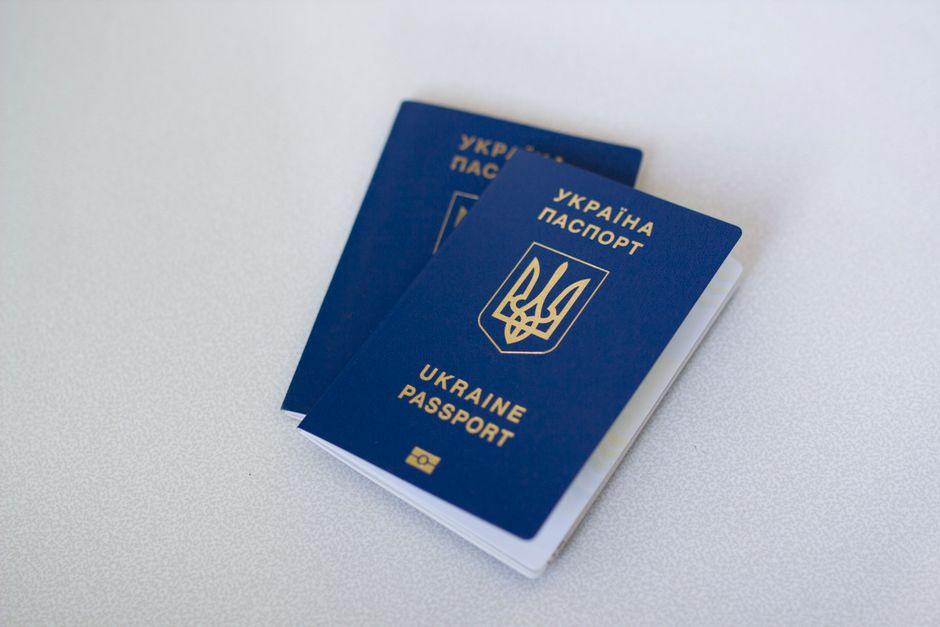
The Illusion of Flexibility Why Dual Passports Often Compound Security Risks
While dual passports are often touted as a symbol of unparalleled freedom and strategic mobility, this assumption glosses over the inherent contradictions and increased vulnerabilities that such arrangements impose. Holding two passports doesn’t simply double your options-it doubles the challenges in aligning yourself with legal, diplomatic, and security frameworks that were never designed for overlapping jurisdictions. For instance, in times of political tension or conflict, the expectation that a dual passport holder can seamlessly navigate between two allegiances becomes a dangerous illusion. Instead, the ambiguous status can invite heightened scrutiny from border controls, intelligence agencies, and even hostile actors who perceive dual nationality as a flag for divided loyalties or potential exploitation.
Moreover, the perceived flexibility masks a critical trade-off: increased exposure to identity fraud, surveillance, and legal entanglements. Dual passport holders are often caught in complex webs of conflicting laws regarding taxation, military service, and information disclosure, where one misstep can lead to severe penalties or travel restrictions. This risk amplification is compounded by the fact that not all dual passports carry equal protection or diplomatic support; countries vary widely in their commitment and capacity to assist citizens abroad. Consider this simplified risk comparison:
| Aspect | Single Passport Holder | Dual Passport Holder |
|---|---|---|
| Security Screening | Standard scrutiny aligned with one jurisdiction | Potential for intensified examination due to dual jurisdictions |
| Legal Compliance | Single legal framework compliance | Complex overlapping and sometimes contradictory obligations |
| State Protection | One-state clear loyalty and protection | Variable state response; possible conflicting interests |
| Risk of Identity Conflicts | Minimal, singular identity management | Heightened, from multiple documents and identities |
- Smart Vigilance: Dual nationals must proactively understand the legal and diplomatic constraints of both countries, rather than assuming passports equal unconditional access or loyalty.
- Nuanced Use: Employ dual passports selectively and strategically, recognizing that flexibility is not an absolute right but a conditional privilege subject to geopolitics and legal limits.
Beyond Convenience Evaluating the Hidden Costs of Holding Two Legal Identities
Holding two legal identities often comes packaged with an aura of dual advantage-ease of global mobility, expanded cultural access, and broadened economic horizons. Yet, beneath these conveniences lurk subtle, often underestimated costs that can erode the purported benefits. Notably, the assumption that dual passports simply double one’s opportunities ignores the complex interplay of obligations and vulnerabilities tied to each nationality’s legal and fiscal frameworks. For instance, tax liabilities can collide catastrophically when both countries enforce global taxation, rather than territorial. Beyond money, the unequal protections offered by different legal systems create a patchwork of rights and responsibilities that can confuse or disadvantage the passport holder in critical moments, such as legal disputes or conscription. It’s crucial to discern that dual nationality is less a carte blanche for global freedom and more a multi-headed system where each identity demands separate, often conflicting allegiance and compliance.
To navigate these hidden costs effectively, strategic selectivity is paramount rather than blanket acquisition of multiple passports. Consider the following nuanced trade-offs for a clearer evaluation:
- Political Stability vs. Legal Ambiguity: Dual nationality involving a stable democracy paired with a volatile state can entangle you in diplomatic crossfires, adverse travel restrictions, or sudden loss of rights.
- Obligations vs. Benefits: Military service requirements or mandatory civic duties in either country may outweigh the ease of visa-free access touted by proponents.
- Identity Complexity: Psychological and social frictions from divided loyalties-often overlooked-may surface, impacting professional credibility or personal relationships.
| Dimension | Common Assumption | Reality Check |
|---|---|---|
| Taxation | Dual citizenship simplifies financial planning. | May trigger complex tax filing, double taxation, or unexpected penalties. |
| Legal Protection | Two passports mean double protection. | Legal protections are jurisdiction-specific; rights can conflict or be voided. |
| Travel | Unlimited global mobility. | Some countries restrict entry or emphasize one nationality over another, limiting options. |
Rather than a default aspiration, obtaining dual nationality should be reframed as a calculated decision requiring deep analysis of personal circumstances, destination countries, and long-term geopolitical trends. Only by challenging the oversimplified narrative of “more passports, more power” can individuals truly weigh whether the hidden costs will undermine the assumed convenience, or indeed transform it into a strategic liability.
Fragmented Loyalties and the Challenge of Unwavering National Commitment
At first glance, the notion of dual nationality conjures an attractive image of cultural fluidity and global opportunity. However, beneath this appealing facade lies a complex web of fragmented loyalties that challenges the foundational ideal of unwavering national commitment. Dual nationals often inhabit a liminal space where allegiances are not merely divided but dynamically negotiated, influenced by shifting geopolitical landscapes, personal ties, and legal obligations. This inherently complex allegiance threatens the ability to serve the national interest with full, undivided focus, especially in contexts where state security, diplomatic priorities, or economic interests are at stake. The assumption that dual nationality fosters unqualified loyalty to multiple states glosses over the reality that allegiance, at its core, demands a degree of exclusivity – a clarity of interest often incompatible with competing national identities.
That said, this challenge is not an absolute disqualification for all dual citizens; rather, it necessitates a discerning, context-sensitive approach. Countries must resist the trap of blanket suspicion or blanket acceptance and instead weigh specific trade-offs intelligently. For example, a dual national engaged in international business may channel their divided loyalties toward beneficial economic diplomacy, while a dual national in sensitive government roles might pose a conflict too great to overlook. To address this, policy frameworks should integrate:
- Rigorous vetting protocols that evaluate the depth and context of foreign ties rather than nationality alone.
- Transparent conflict-of-interest declarations coupled with proportional restrictions calibrated to the sensitivity of the role.
- Ongoing loyalty assessments, recognizing that loyalties can evolve over time with changing circumstances.
| Role Sensitivity | Recommended Approach | Potential Risks |
|---|---|---|
| High (e.g., security, intelligence) | Restrictive measures; possible disqualification | Compromised national security; espionage risk |
| Medium (e.g., diplomacy, trade) | Conditional acceptance; enhanced monitoring | Conflicts of interest; divided policy priorities |
| Low (e.g., cultural ambassadorship) | Broad acceptance; leverage multicultural benefits | Minimal |
The key lies in recognizing that dual nationality is not intrinsically a liability; instead, it becomes one when the attendant complexities of loyalty are neglected or oversimplified. Balancing the undeniable potential advantages with the inherent challenges requires a courageous departure from idealized assumptions and a strategic embrace of nuanced, role-specific solutions.
Rethinking Global Citizenship Crafting Smarter Strategies Without Splitting Sovereignty
Global citizenship is often idealized as a seamless identity transcending borders, but this romanticism obscures the delicate balance sovereign states must maintain between openness and control. Embracing dual nationality assumes that individuals can effortlessly navigate competing legal systems and loyalties without compromising a state’s governance efficacy or diplomatic integrity. Yet, the reality is far more complex: dual nationality can dilute accountability and complicate matters such as taxation, military service, and judicial proceedings. Instead of pursuing a simplistic “more passports, better freedom” paradigm, policymakers should aim for frameworks that recognize transnational ties while safeguarding sovereign prerogatives. This might involve shifting focus from formal dual citizenship to specific bilateral agreements allowing for selective cross-border rights-such as work permits, social benefits, or limited political participation-without full-blown nationality claims that fracture allegiance and legal clarity.
Trade-offs in rethinking global citizenship call for nuanced calibrations rather than blanket inclusivity or outright restriction. Countries must distinguish between the utility of global mobility and the risks of divided loyalties, crafting policies that reflect strategic priorities rather than aspirational labels. For example, a tiered approach might classify individuals by their residency, economic contribution, or humanitarian status, granting incremental rights while withholding full nationality to those whose interests do not fully align. Consider the following distinctions:
| Citizenship Model | Benefits Granted | Risks Examined | Strategic Fit |
|---|---|---|---|
| Dual Citizenship | Full political and legal rights in two countries | Conflicted loyalties; taxation complexity; diplomatic protection ambiguity | Low in security-sensitive or high-tax jurisdictions |
| Permanent Residency + Selective Rights | Work, residency, social services, limited political say | Weaker political influence for migrants; clarity in legal obligations | High where integration without full allegiance is preferred |
| Bilateral Access Agreements | Targeted benefits like visa-free travel, education access | More controlled sovereignty; potential diplomatic leverage | Optimal for maintaining sovereignty with flexible ties |
- Prioritize legal precision: Ensure citizenship laws clearly define rights and obligations to minimize gray areas exploited by dual nationals.
- Incentivize aligned loyalties: Introduce pathways that reward demonstrated integration and commitment rather than mere birthplace or ancestry.
- Leverage multilateral frameworks: Collaborate internationally to regulate statelessness and dual rights without weakening state authority.
By moving beyond dual nationality as a blunt instrument of global membership, states can craft smarter, adaptive citizenship models that respect sovereignty while accommodating genuine global mobility demands. This strategic realism in rethinking global citizenship lays groundwork for sustainable, coherent belonging free from the liabilities of divided loyalties.
Future Outlook
In navigating the complex tapestry of global identity, dual nationality might seem like a shimmering thread of opportunity and freedom. Yet, as we have explored, this very thread can unravel into knots of divided loyalties, conflicting responsibilities, and strategic vulnerabilities. Rather than a clear advantage, holding two passports often places individuals and nations alike in precarious positions-caught between competing interests and compromised allegiances. In an era where trust and clarity are paramount, the dual citizen stands at a crossroads, embodying the profound challenges of a world still grappling with the meaning of belonging. Ultimately, the strategic liabilities of dual nationality remind us that identity, while multifaceted, may demand clearer lines than we once imagined.




