
In a world that increasingly blurs borders and redefines belonging, dual citizenship emerges as both a bridge and a boundary. It is the lived experience of standing at the crossroads of two nations, two cultures, and two histories-each pulling at the heart and mind in ways that are as enriching as they are challenging. “Between Two Worlds: Navigating Identity, Belonging, and Choice in the Life of Dual Citizens” explores the subtle dance of reconciliation and negotiation that shapes those who carry multiple passports but seek a singular sense of self. This journey is not simply about legal status or travel convenience; it is about weaving together the threads of identity, community, and allegiance in a tapestry that is uniquely their own.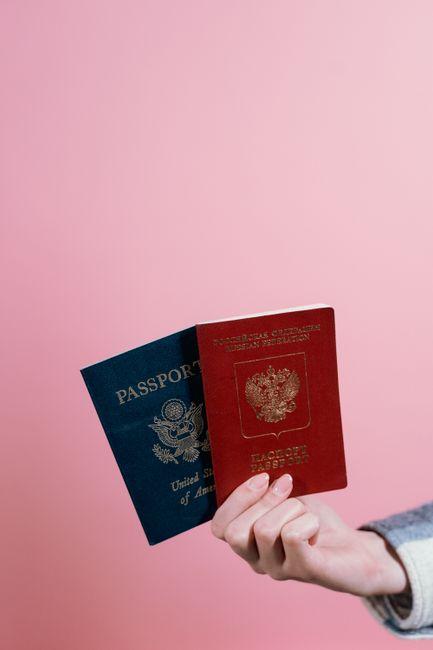
Crossroads of Culture where Heart and Heritage Meet
Imagine Leila, a woman born in Morocco but raised in Canada, stepping into her grandmother’s kitchen in Casablanca. The aroma of spices and freshly baked bread mingles with the distant call of the azan. At this moment, she’s navigating more than just flavors – she’s balancing the deep pull of her Arabic heritage against the individualism and openness she has embraced in the West. These everyday crossroads-family gatherings where her Canadian friends might feel like outsiders, or conversations where her fluency in English exceeds her Arabic-reveal the subtle negotiations of identity dual citizens face. It’s here, in the spaces between languages, foods, and holidays, that the heart swings between belonging and feeling perpetually “in between.”
For many, the act of choosing which traditions to uphold isn’t simple or static. Take Jamal, who grew up celebrating both Thanksgiving in the U.S. and Eid with his Pakistani family. Over time, he recognized that maintaining these dual customs enriched his sense of identity but occasionally led to tensions-especially when expectations from one world clashed with the other’s social norms. This realization taught him to define his own version of cultural adherence-selecting rituals that resonate personally rather than fulfilling external expectations. Such choices reflect an essential lesson at the crossroads of culture: belonging is less about rigid fidelity and more about fluid engagement, where the heart and heritage meet in a personal dialogue.
| Scenario | Expectation | Outcome/Lesson |
|---|---|---|
| Participating fully in family’s traditional weddings | Conforming strictly to cultural customs | Found ways to honor tradition while contributing her own unique perspective |
| Balancing language use around friends and relatives | Speaking mainly heritage language with family, English with friends | Mixed language use helps maintain connection without pressure |
| Deciding which holidays to prioritize | Celebrating all holidays equally | Focused on the ones that felt most meaningful to personal identity |
- Embracing nuance: Not every tradition must be observed to feel connected.
- Learning through contrast: Differences between cultures often highlight unique strengths and values.
- Personalizing identity: Dual citizens have the agency to blend cultures in a way that feels authentic and sustainable.
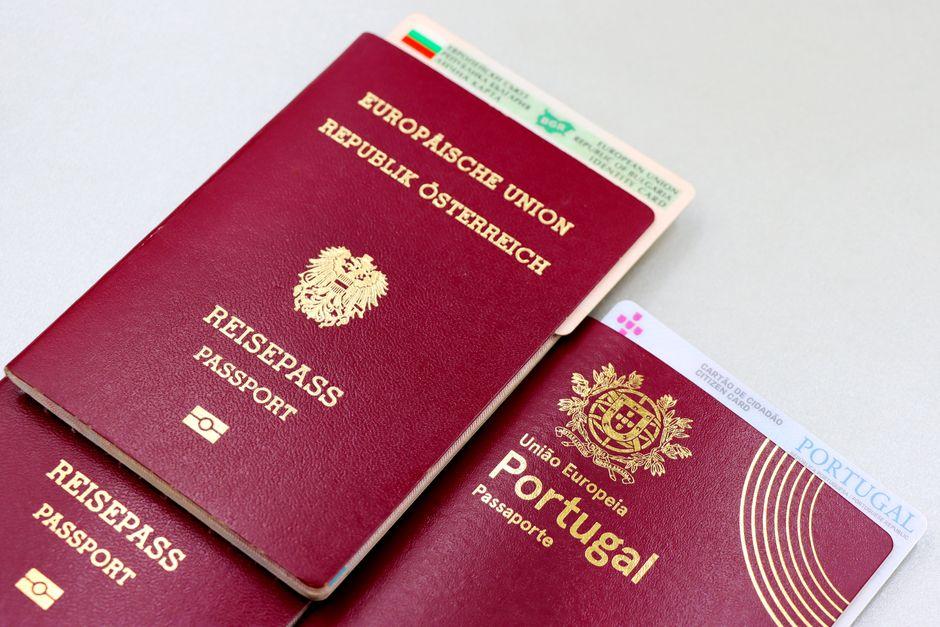
The Quiet Struggles of Belonging Across Borders
Maria grew up in Germany with a strong sense of her Mexican heritage, yet at every family gathering, she found herself caught between two worlds. In Mexico, relatives praised her for embracing tradition, but in Germany, her colleagues questioned her “foreign” customs. This quiet tug-of-war often left Maria feeling like an outsider in both places. When she returned to Mexico for long visits, the accent in her Spanish marked her as different; in Germany, her familiarity with Mexican holidays made her “too exotic” among friends. These moments punctuated her life with small, internal decisions-should she emphasize one culture to fit in better, or honor both and risk standing apart? For dual citizens like Maria, belonging isn’t a certainty but a continuous navigation marked by subtle struggles and ongoing self-discovery.
Consider Ahmed, who holds passports in Canada and Lebanon. During a business trip in Beirut, he noticed how his Canadian mannerisms were misread as aloofness, while in Toronto, his Lebanese ways sometimes triggered innocuous but discomforting assumptions. The lesson? Belonging is rarely about choosing one identity over another; rather, it’s about embracing complexity. This push and pull shapes emotional landscapes more than physical borders. It’s why dual citizens often develop a kind of cultural agility-learning to code-switch, adapt, and reframe expectations around belonging. Yet, this agility can come with emotional cost, especially when societal perceptions don’t keep pace with one’s multifaceted identity.
| Scenario | Expectation | Reality | Lesson |
|---|---|---|---|
| Growing up in homeland’s culture | Feel fully accepted | Experienced as “different” due to accent or mannerisms | Acceptance can require continuous negotiation |
| Trying to fit in with peers abroad | Smooth integration | Sometimes signals mixed, leading to being seen as “exotic” or “other” | Identity is fluid and context-dependent |
- Quiet resistance: Choosing to honor both identities despite external pressures.
- Emotional labor: The constant code-switching can be exhausting but also empowering.
- Community building: Seeking out spaces where dual citizens share these complex experiences can foster belonging.
Moments of Choice that Define Dual Citizenship
For many dual citizens, defining moments emerge not as grand declarations, but as subtle, deeply personal decisions. Take the story of Lina, born in Mexico but raised in Canada. When her aging parents needed medical support, she faced a split-second choice: navigate complex healthcare systems in two countries or commit to one for better access and consistency. These moments, often underpinned by fluctuating priorities and emotional ties, reveal a recurring truth-dual citizenship is less about legal status and more about continuous negotiation between *belonging* and *practicality*. It’s in the choice between preferring one passport’s convenience for travel or leaning into the cultural richness of both identities at family gatherings. Each choice becomes a brushstroke in their evolving identity, often revealing unexpected tensions between anticipated benefits and the lived realities, such as bureaucratic hurdles or subtle feelings of exclusion in either community.
- Choosing where to vote: Many dual citizens wrestle with the weight of political engagement. Voting in one country can sometimes unintentionally feel like sidelining the other, sparking questions about allegiance and advocacy.
- Educational and career opportunities: The promise of leveraging dual citizenship for global mobility often clashes with local job market challenges or professional licensing requirements.
- Emergency responses and loyalty: Unexpected crises-natural disasters, political unrest, or family emergencies-force swift decisions about where to seek shelter or assistance, underscoring the sometimes fragile reality behind the security dual citizenship suggests.
| Choice Moment | Expectation | Reality/Outcome |
|---|---|---|
| Picking a country to start a family | Instant sense of community and support | Balancing divided family loyalties and differing cultural values |
| Using dual passports for seamless travel | Freedom and fluidity | Facing different visa requirements and unexpected restrictions |
| Declaring nationality on official documents | Simple formality | Complex identity questioning and occasionally mistrust |
Learning from Stories Woven Between Two Nations
Maria, born in Portugal to Brazilian parents, often found herself caught in moments where her dual citizenship was more than just a legal status-it shaped her understanding of belonging. When she first moved to Brazil for university, she expected a seamless cultural embrace, imagining that sharing her parents’ language and heritage would make her feel instantly at home. However, she quickly realized that her European upbringing influenced her behaviors and perspectives in ways that set her apart. This dissonance forced her to navigate subtle social cues-like humor, small talk, even family dynamics-which were second nature to her Brazilian peers but felt foreign to her. In these moments, Maria learned that belonging doesn’t come automatically from shared nationality but from active engagement with the layers of culture, history, and personal identity interwoven between her two worlds.
Similarly, Raj, a dual citizen of India and Canada, faced a significant decision when choosing where to build his career after graduating. The expectations from his family leaned heavily toward returning to India, where personal connections and traditional paths promised stability. Yet, Raj felt an affinity to the multicultural openness and work culture of Canada, which aligned with his aspirations for innovation and diversity. This choice wasn’t just professional; it touched on his sense of self-caught between familial respect and individual belonging. His journey ultimately highlighted a key lesson many dual citizens face: identity is neither fixed nor singular, but a dynamic mosaic shaped by choices and contexts. The contrast between Raj’s initial hesitations and the fulfillment found in embracing his hybrid identity underscores how navigating dual citizenship is as much about self-discovery as external negotiation.
| Aspect | Expectation | Outcome / Insight |
|---|---|---|
| Maria’s move to Brazil | Seamless cultural belonging via shared heritage | Realization of cultural nuances requiring active engagement |
| Raj’s career choice | Family expectation to return to India | Choosing Canada to align with personal identity and goals |
- Belonging is cultivated through lived experience, not just legal ties.
- Identity evolves as dual citizens negotiate cultural expectations and personal desires.
- Decisions about where to live, work, or connect deeply impact how dual citizens understand themselves.
Finding Harmony in the Patchwork of Identity
Carla, born to a Mexican father and an Irish mother, often found herself caught in the subtle tensions of two cultures. At family gatherings, the aroma of salsa dancing and traditional stew mingled in a way that felt both comforting and alien. Initially, she tried to align herself strictly with one culture – at school, she embraced her Irish roots; at home, her father encouraged her to speak Spanish and value Mexican traditions. But this compartmentalization led to moments of dissonance, where neither identity felt fully authentic. It was only when Carla allowed herself to weave both sides together-learning songs that blended languages, celebrating holidays that honored both heritages-that she found a sense of peace. This approach didn’t erase the challenges but reframed her experience from a tug-of-war to a tapestry, where every thread mattered equally.
Many dual citizens grapple with the expectation that identity must be clear-cut and singular, yet real life insists on nuance. Consider Amir, who holds passports from Germany and Lebanon. When faced with the question, “Where are you really from?” he initially felt pressured to choose. But over time, he realized that his sense of belonging came from moments rather than labels-whether it was sharing a meal with his Lebanese grandparents or navigating the bustling streets of Berlin. He learned several lessons that can resonate with others navigating dual identities:
- Accept the messiness. Identity is seldom tidy or linear.
- Honor all parts of your heritage. Each contributes to your unique perspective.
- Create personal rituals. They can blend traditions into something meaningful for you.
- Be patient with yourself. Finding harmony is a continual process, not a destination.
| Expectation | Reality | Insight |
|---|---|---|
| Choosing one identity exclusively | Integrating multiple identities fluidly | Multiplicity enriches personal narrative |
| Feeling pressured to ‘belong’ | Creating new spaces of belonging | Belonging is self-defined and evolving |
Ultimately, is less about fitting into pre-existing categories and more about embracing the fluid, evolving story each dual citizen lives. It is in the everyday decisions-what language to speak with friends, how to celebrate a holiday, which stories to pass down-that identity truly comes alive.
In Summary
In the delicate dance between two homelands, dual citizens embody a unique narrative-one that transcends borders and defies simple definitions. Their journey is not just about legal status or geographic lines, but about the intricate weaving of identity, belonging, and choice. To live between two worlds is to embrace complexity, to find strength in multiplicity, and to continually reshape the meaning of home. As societies grow more interconnected, their stories remind us that identity is not fixed, but fluid-an evolving mosaic shaped by the rhythms of culture, history, and personal experience. In navigating these intertwined paths, dual citizens offer a profound reflection on what it means to belong, challenge us to rethink our own boundaries, and ultimately, enrich the global tapestry we all share.




