
In a world increasingly connected yet divided by geography and ideology, the concept of holding two passports often symbolizes boundless freedom-a key to unlocking doors across borders with ease. Dual nationality is celebrated as a bridge between cultures, a ticket to opportunity, and a shield against the constraints of a single homeland. Yet, beneath this veneer of liberty lies a complex reality: dual passports don’t always guarantee the unrestricted freedom they promise. Instead, they can carve invisible lines that divide the self, create unexpected inequalities, and even construct new barriers within the very identities they aim to unify. This article explores the paradox of dual citizenship, revealing how the possession of two national passports can blur the meaning of freedom while inadvertently imposing new borders on personal and political landscapes alike.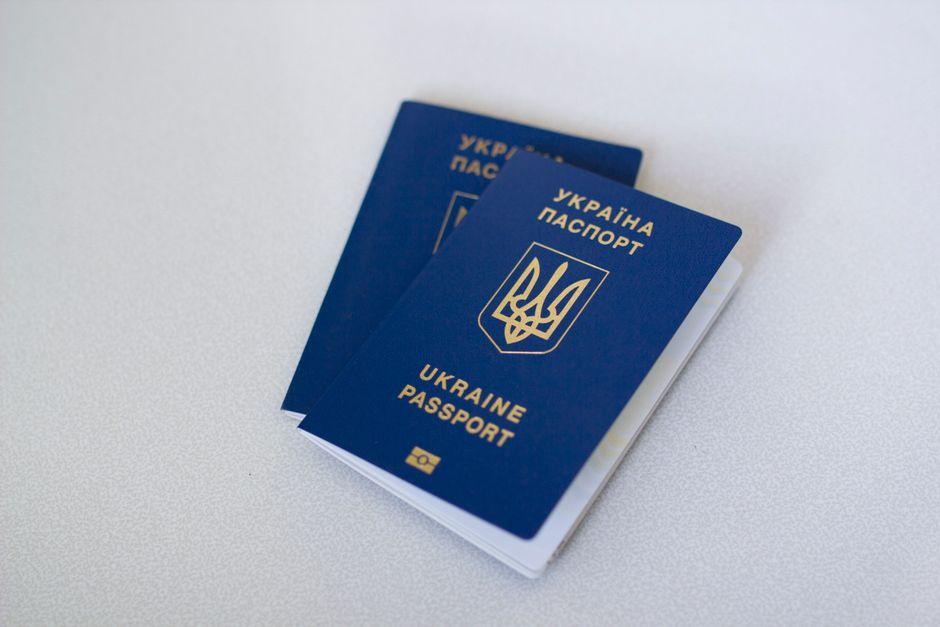
The Illusion of Mobility How Dual Citizenship Masks Restricted Realities
Dual citizenship is often heralded as a passport to unbounded freedom-a seamless key to traversing borders at will. Yet, this perceived mobility is frequently an illusion, a mirage that masks underlying constraints embedded within international systems and domestic policies. The reality is that holding two passports does not nullify the geopolitical, bureaucratic, and socio-economic barriers that condition movement. Rather than guaranteed access, dual citizenship often functions as layered access, where each nationality opens some doors while simultaneously closing others, depending on shifting diplomatic relations, visa regimes, and security concerns. This duality forces travelers to navigate a complex interplay of privilege and restriction, where freedom of movement becomes less about absolute liberty and more about strategic selection of which passport to use for each journey.
Consider the subtle yet telling trade-offs that dual citizens confront:
- Visa-waiver disparities: One passport may afford visa-free entry to certain countries but not others, compelling holders to juggle documentation rather than enjoy true choice.
- Economic and social obligations: Citizenship carries responsibilities-taxation, military service, or voting-that can tether individuals to a country just as effectively as physical borders.
- Perceived nationality and identity: Practical barriers also arise from subjective factors like racial profiling or local perceptions, which no passport distinction can fully mitigate.
| Aspect | Passport A | Passport B |
|---|---|---|
| Visa-free Countries | 180 | 130 |
| Taxation Requirements | Worldwide | Territorial only |
| Mandatory Military Service | No | Yes (2 years) |
Ultimately, the nuance of dual citizenship demands a recalibration of expectations. Instead of viewing it as an all-encompassing ticket to global freedom, one should approach it as a complex negotiation of competing sovereignties-each with its own borders, visible or invisible. Embracing this complexity allows dual citizens to leverage their unique position wisely, deploying passports not as blanket solutions but as tailored tools to navigate an ever-fractured world.
Navigating Identity in Fragmented Worlds The Internal Borders of Multiple Passports
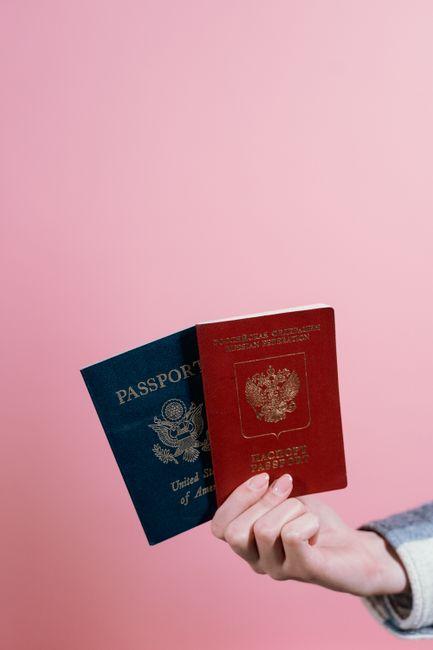
Dual national passports supposedly offer the alluring promise of choice and mobility, but beneath this sheen lies a more complex reality: the fragmentation of identity across internal borders. Holding multiple passports is not just a matter of possessing different travel documents; it often entails navigating conflicting legal systems, cultural expectations, and political allegiances that can clash as much as they complement. This fragmentation creates a psychological and bureaucratic limbo, where individuals must strategically channel their identity depending on context, often at the cost of an integrated sense of self. Unlike geographic borders that are clearly demarcated, the internal borders forged by multiple passports are fluid yet rigidly enforced, manifesting not only in visa regimes but in tax obligations, civic duties, and social belonging-areas where dual citizenship can feel more like a double bind than a freedom.
Understanding these internal borders requires shedding simplistic narratives about global citizenship and recognizing the uneven trade-offs that come with multiple national affiliations. For instance:
- Legal ambiguity: Dual nationals may face conflicting laws regarding military conscription, taxation, or parental rights, forcing choices that undermine the very notion of equal citizenship in either country.
- Emotional dissonance: The pressure to “perform” different versions of oneself in each country can erode authentic identity and exacerbate feelings of alienation.
- Pragmatic constraints: Even with multiple passports, visa-free travel often remains limited to certain regions, anchored by bilateral politics rather than personal preference.
| Aspect | Perceived Benefit | Underlying Trade-off |
|---|---|---|
| Travel freedom | Multiple visa-free destinations | Fragmented routes; may require complex proof of residence |
| Civic participation | Voting rights in multiple countries | Conflicting political loyalties and divided allegiance |
| Economic opportunities | Access to labor markets | Double taxation and regulatory hurdles |
To navigate these internal borders effectively, a nuanced approach is vital. Dual nationals should critically evaluate which passport to deploy based on tangible benefits rather than symbolic meaning, and remain vigilant of the subtle ways these overlapping identities shape their rights and responsibilities. It’s a form of diplomacy practiced not in embassies, but within oneself-requiring constant negotiation, informed legal guidance, and above all, a clear-eyed understanding that freedom is rarely a function of possession alone, but of the latitude to reconcile multiple, sometimes opposing worlds. This perspective urges us to move beyond simplistic advocacy for dual citizenship toward empowering individuals with strategies that recognize these internal dissonances rather than gloss over them.
When Privilege Meets Paradox The Complex Costs of Holding Dual Nationality
Dual nationality often conjures images of seamless global mobility and a golden ticket to opportunity, yet this privilege frequently masks a paradox: the burden of navigating conflicting legal, cultural, and political landscapes simultaneously. Holding two passports doesn’t simply double one’s freedoms; it can also multiply obligations and restrictions. For instance, a dual citizen might be subject to compulsory military service in both countries, or face taxation complexities that outweigh the financial benefits of holding multiple citizenships. The assumed advantage of “having it all” must be weighed against these systemic entanglements, which often create invisible borders – *legal* and *psychological* – constraining personal and professional choices more than they expand them.
To truly understand the costs embedded in dual nationality, consider the nuanced trade-offs beyond travel convenience. Not all dual citizenship experiences are equal:
- Privilege is contextual: Citizens of certain nations enjoy expedited global access, while others still confront visa restrictions despite multiple passports.
- Conflicting allegiances: Dual nationals might find themselves caught between competing political loyalties or social expectations, complicating identity and allegiance in ways that single citizenship does not.
- Security risks and surveillance: Certain governments view dual nationals with suspicion, potentially leading to increased surveillance, restricted rights, or even detention under national security pretenses.
Balancing these dimensions calls for a realistic, strategic approach-one that recognizes when dual nationality is a genuine asset and when it ironically erects new internal and external borders. Individuals should undertake a thorough legal and geopolitical risk assessment tailored to their specific citizenship combination rather than assume unmitigated privilege. This deep contextual awareness ultimately trumps simplistic narratives of freedom, offering a more grounded, informed perspective on what it truly means to live-sometimes precariously-with two passports.
Beyond Convenience Rethinking Mobility and Belonging in a Divided Globe
The allure of dual national passports often hinges on the promise of unfettered mobility-a golden ticket to globe-trotting freedom. Yet, this perspective reduces a complex sociopolitical reality to mere convenience, overlooking how dual citizenship can reinforce existing divides rather than dissolve them. Mobility, in this sense, isn’t just about physical movement but about psychological and cultural belonging. When dual nationals navigate between passports, they often encounter invisible barriers and implicit hierarchies of welcome, risk, and surveillance that shape their sense of self and inclusion. Mobility is thus a selective privilege, not an absolute right, and it often replicates existing global inequalities. This nuanced interplay reveals that freedom of movement is frequently conditional rather than intrinsic, tethered to shifting diplomatic relationships, economic profiles, and racialized identities rather than legal documentation alone.
Rethinking mobility requires shifting focus from the passport as a static key and instead treating it as part of a dynamic ecosystem entangled with notions of identity, security, and exclusion. Policymakers and individuals alike must weigh the trade-offs:
- Legal Protection vs. Social Alienation: Holding two passports may grant access to more destinations, but it can also exacerbate feelings of partial belonging or suspicion in either country, especially amidst heightened nationalism.
- Bureaucratic Flexibility vs. Political Vulnerability: Dual nationality can serve as a hedge against geopolitical instability, yet can invite scrutiny or loss of rights if relations between states sour.
- Transnational Opportunity vs. Ethical Dilemmas: The pursuit of dual citizenship for economic or educational advantages can inadvertently endorse unequal global systems that privilege certain identities over others.
| Dimension | Conventional Assumption | Nuanced Insight |
|---|---|---|
| Freedom | Passports expand absolute liberty. | Freedom is conditional, shaped by power dynamics. |
| Identity | Dual nationality equals cultural belonging. | Duality often breeds hybrid estrangement. |
| Security | Dual citizenship ensures stability. | It can increase vulnerability amid political shifts. |
Ultimately, the future of mobility and belonging demands more than strategic passport collection; it calls for rethinking global citizenship beyond legalistic borders, integrating frameworks that recognize fluid identities and promote equitable inclusion rather than reinforcing fragmented allegiances and segmented freedoms.
The Trade-offs of Choice How Dual Passports Can Deepen Divisions Rather Than Bridge Them
Dual passports are often celebrated as passports to freedom, but their real-world implications reveal a more paradoxical truth: instead of bridging divides, they can deepen existing fissures within identities and communities. While the assumption is that holding two national allegiances broadens horizons and options, it simultaneously imposes complex trade-offs. Dual citizenship can plunge individuals into a liminal space, where legal rights and social acceptance in one country are undermined by suspicion or exclusion stemming from the other. This can foster internal and external divisions, as questions of loyalty become magnified, turning what was intended as a practical advantage into a symbolic liability. In particular, the privileges they afford are not evenly distributed-*economic opportunity, diplomatic protection, and freedom of movement* can be starkly asymmetric between the two passports, leading less to empowerment and more to fragmented identities and hierarchies within families and communities.
- Legal entanglements: Dual passport holders often face conflicting obligations-taxation, military service, or legal compliance-in ways unilateral citizens do not, complicating lifeworlds rather than simplifying them.
- Social stratification: Within diasporas, dual nationality can become a marker of privilege or exclusion, exacerbating divides between those who can leverage multiple citizenships and those confined to singular national identities.
| Dimension | Intended Benefit | Underlying Trade-off |
|---|---|---|
| Freedom of Movement | Access to more global mobility and opportunities | Creates eligibility for restrictive legal demands from both states |
| Identity Flexibility | Allows self-definition across cultural lines | Generates conflicts of allegiance and community suspicion |
Navigating these trade-offs requires more than a simplistic celebration of choice; it demands nuanced recognition of the latent borders dual passports inscribe within the psyche and society. Policymakers and individuals alike should resist the allure of dual nationality as an unambiguous remedy for marginalization or a universal passport to global belonging. Instead, fostering genuine inclusion calls for addressing the structural conditions that create exclusion-such as citizenship policies that weaponize identity and mobility restrictions that penalize hybridity. In practice, this might mean supporting legal frameworks that reduce conflicting obligations or cultivating transnational solidarities that transcend passport-based divisions, ensuring dual citizenship enhances collective freedom without becoming a source of internecine fracture.
In Retrospect
In the end, dual national passports may promise a bridge between worlds, but they often reveal the hidden walls within. Far from being simple tickets to freedom, they can complicate identities, loyalties, and legal landscapes-drawing new lines where we hoped borders would fade. Understanding this paradox challenges us to rethink how we define belonging in an ever-connected yet fragmented world. As we navigate the complexities of dual citizenship, perhaps the true journey is less about the papers we carry, and more about the spaces we learn to inhabit within ourselves and others.




