
In a world that grows increasingly interconnected, the concept of identity is becoming more fluid and multifaceted. Dual national citizenship, once a niche legal status, is now an option embraced by millions who find themselves bridging cultures, countries, and communities. But what exactly does it mean to hold citizenship in two nations? Beyond the legal definitions lies a tapestry of personal stories, opportunities, and responsibilities that shape this unique status. In this article, we will unravel the intricacies of dual nationality, exploring its benefits, potential challenges, and the pathways individuals can take to qualify. Whether you’re contemplating a second citizenship or simply curious about the global mosaic of belonging, understanding dual citizenship is a step toward appreciating the modern world’s complex identity landscape.
Exploring the Basics of Dual Citizenship and Its Global Significance
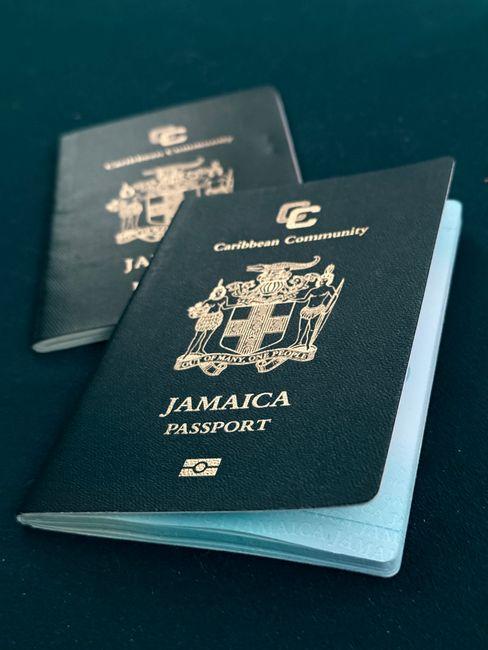
Dual citizenship, also known as dual nationality, refers to the status of an individual who is legally recognized as a citizen of two countries simultaneously. This means holding two passports and enjoying the rights and responsibilities that come with citizenship in both nations. Unlike permanent residency or visas, dual citizenship requires meeting specific legal criteria set by each country involved, and those criteria can vary widely. For instance, some nations allow dual citizenship at birth or through descent, while others permit it via naturalization under certain conditions. Importantly, individuals with dual citizenship must navigate the legal frameworks of both countries, which can affect tax obligations, voting rights, military service, and even eligibility for government jobs.
The global significance of dual citizenship lies in its profound impact on personal freedom and international mobility, making it especially relevant in our increasingly interconnected world. Benefits often cited include:
- Enhanced travel convenience: Access to multiple passports often means reduced visa restrictions.
- Economic opportunities: Ability to work, invest, or start businesses in either country without additional permits.
- Access to social services: Eligibility for healthcare, education, and welfare benefits in both nations.
- Preserving cultural ties: Maintaining citizenship allows continued connection to family heritage and voting rights.
However, dual citizenship also presents challenges. Individuals must be aware of potential complications such as double taxation, conflicting legal duties, or political risks, especially if relations between the two countries deteriorate. When comparing dual citizenship with permanent residency or single citizenship, key distinctions include the permanence of rights and the scope of legal responsibilities. As a recommendation, prospective dual citizens should thoroughly research both countries’ laws, consider consulting with immigration experts, and assess how holding dual citizenship aligns with their long-term personal and professional goals.
| Aspect | Dual Citizenship | Single Citizenship |
|---|---|---|
| Legal Status | Citizen of two countries with full rights and duties | Citizen of one country only |
| Travel Flexibility | Multiple passports, broader visa-free access | Limited by one country’s passport agreements |
| Obligations | May include taxes, military service in both countries | Obligations only to one country |
Navigating the Advantages and Challenges of Holding Two National Identities
Dual national citizenship offers a unique blend of advantages that appeal to many, yet it also presents specific challenges that require careful navigation. On the plus side, holding two national identities can broaden your access to social services, education opportunities, and employment markets in both countries. For example, dual citizens often benefit from simplified travel-avoiding visas and enjoying expedited entry-while also enjoying political rights such as voting or running for office in both nations (subject to local laws). Financial advantages include the ability to own property or start businesses in either country with fewer restrictions. Additionally, cultural connections and identity flexibility can enrich personal experiences, fostering a strong sense of global belonging and family heritage.
However, dual citizenship can introduce complexities that are important to keep in mind. Legal responsibilities like tax filing or mandatory military service may apply in one or both countries, leading to potential conflicts or extra bureaucratic burdens. Conflicting laws between nations, such as those involving inheritance, divorce, or criminal jurisdiction, may create situations requiring specialized legal advice. Some countries do not recognize dual citizenship, which can result in loss of nationality or limited consular support abroad. The following table outlines common challenges alongside practical tips for managing them effectively:
| Challenge | Explanation | Recommendation |
|---|---|---|
| Tax Obligations | Potential need to file taxes in both countries. | Consult tax professionals familiar with international laws and explore tax treaties. |
| Military Service | Compulsory service requirements in one or both states. | Check each country’s regulations early and plan accordingly. |
| Conflicting Legal Systems | Differing laws on citizenship rights or civil matters. | Seek legal counsel for cases like inheritance or divorce. |
| Travel Limitations | Some countries restrict entry based on dual citizenship status. | Research visa policies and carry appropriate documentation. |
Common Myths and Legal Realities Surrounding Dual Nationality
One of the most persistent misconceptions about dual nationality is that it automatically leads to complex legal conflicts, such as double taxation or forced military service. While these concerns have some basis, the legal realities often vary significantly by country. For example, many nations have bilateral agreements to prevent double taxation, meaning dual citizens usually don’t pay taxes twice on the same income. Similarly, obligations like military service depend entirely on each country’s laws and are not universally enforced on dual nationals. Furthermore, dual nationality does not grant the right to vote or work without restrictions in both countries automatically; each state sets its own requirements, so practical rights and duties can differ widely.
Another common myth is that holding dual citizenship means losing allegiance or loyalty to one’s original country. In reality, dual citizenship is a legal recognition that a person owes allegiance to two states simultaneously, but it does not imply divided loyalty in any operational sense. Many governments embrace dual nationality as a way to maintain cultural ties, facilitate international business, and support diaspora communities. To clarify this complex status, consider the following distinctions:
| Myth | Legal Reality |
|---|---|
| Dual citizenship causes mandatory double taxation. | Most countries have tax treaties to avoid paying taxes twice; obligations depend on residence and income source. |
| Dual nationals must serve in the military of both countries. | Military obligations depend on national laws; many countries exempt dual citizens or have deferment policies. |
| Acquiring a second citizenship voids the first. | Some countries require renunciation, but many allow dual nationality without forfeiting original citizenship. |
| Dual nationality means one cannot hold political office. | Restrictions vary; some countries bar dual citizens from certain government positions, others do not. |
For anyone considering dual nationality, it is critical to review the specific legal frameworks of both countries involved and seek professional advice. Understanding these myths and legal facts helps set realistic expectations and harness the true benefits of holding dual citizenship.
Factors to Consider When Choosing to Pursue Dual Citizenship
When considering dual citizenship, it’s essential to understand not only the legal definitions but also the practical implications that come with holding two nationalities. Dual citizenship means legally belonging to two countries simultaneously, which often grants you the rights and privileges of both. However, these benefits can come with complications such as differing tax obligations, military service requirements, and variations in legal responsibilities. For example, some countries may require dual citizens to pay taxes on worldwide income or serve in the military, while others may not recognize dual nationality at all, leading to possible travel or legal restrictions. Understanding these nuances beforehand can help you weigh the advantages against potential drawbacks according to your personal and professional lifestyle.*
Additionally, when choosing to pursue dual citizenship, factors like eligibility criteria, processing time, and the impact on your existing nationality are crucial considerations. Eligibility can depend on ancestry, marriage, naturalization, or special government programs, each with its unique set of documentation and residency requirements. The time and cost involved in acquiring dual citizenship vary widely between countries, making it vital to research your target nations thoroughly. Use the following table as a quick guide to common considerations that affect decision-making:
| Factor | What to Consider | Possible Impact |
|---|---|---|
| Tax Laws | Are you liable for taxes in both countries? | Double taxation; need for tax planning |
| Military Service | Is conscription mandatory for dual citizens? | Potential requirement to serve; legal obligations |
| Travel Flexibility | Does dual citizenship ease visa restrictions? | Greater mobility or limitations based on countries’ relations |
| Loss of Original Citizenship | Does the other country allow retaining your first citizenship? | Risk of losing legal rights in your original country |
Carefully evaluating these factors in line with your future plans and priorities can help you make an informed choice about pursuing dual citizenship. Consulting with legal experts and reviewing official government guidelines ensures you fully understand both the benefits and responsibilities inherent to this complex status.
Practical Tips for Successfully Applying and Maintaining Dual Citizenship
Successfully applying for dual citizenship requires thorough preparation and attention to specific legal and procedural details. Start by clearly understanding the eligibility criteria of both countries, as requirements can vary widely-from residency duration and language proficiency to notarized documents or proof of descent. Collaborate closely with consulates or immigration lawyers who specialize in dual nationality to navigate complexities such as potential conflicts in citizenship laws or military service obligations. Keep in mind the importance of organizing original documents, such as birth certificates and passports, and translating them officially if required. Tracking application timelines and keeping multiple copies of forms and correspondence can help avoid delays and miscommunications during the approval process.
Maintaining dual citizenship also brings practical considerations that vary by country and individual circumstances. Tax obligations are a frequent concern; for example, some countries tax worldwide income, necessitating careful financial planning to prevent double taxation. Additionally, dual nationals should be aware of travel restrictions, mandatory national service, or differences in legal systems that could affect rights and responsibilities. To effectively manage these challenges, adhere to the following best practices:
- Stay informed about both countries’ changing laws related to citizenship, taxation, and residency requirements.
- Maintain valid passports for both nations and renew them on time to avoid travel interruptions.
- Keep detailed records of your time spent in each country to meet residency or tax filing criteria where applicable.
- Understand consular support in emergencies, knowing which embassy to contact depending on your location and situation.
- Consult tax professionals familiar with dual citizenship to optimize filing and compliance strategies.
| Common Challenge | Recommended Approach |
|---|---|
| Conflicting military service laws | Verify obligations with both countries’ military agencies before applying |
| Double taxation | Utilize existing tax treaties and professional advice to reduce liabilities |
| Travel with multiple passports | Use the appropriate passport depending on destination and airline requirements |
In Summary
Navigating the intricate landscape of dual national citizenship offers a unique gateway to enriching experiences, broader opportunities, and deeper personal connections across borders. Whether driven by heritage, career, or life’s unexpected turns, understanding what dual citizenship truly means-and the benefits it can bring-empowers you to make informed decisions tailored to your journey. As with any significant step, the path to qualifying demands careful consideration of legal nuances and individual circumstances. Embracing this multifaceted identity can open doors, but it also calls for thoughtful reflection on responsibilities and privileges alike. In the end, dual citizenship is more than just a status-it’s a bridge between worlds, inviting you to explore the full spectrum of your global belonging.




