
In a world that grows increasingly interconnected, the concept of citizenship has evolved beyond mere birthplace or lineage. Citizenship by Investment (CBI) has emerged as a fascinating gateway for individuals seeking new opportunities, greater mobility, and diversified global ties. But what exactly is Citizenship by Investment, and how does it shape the lives of modern global citizens? This article dives into the heart of CBI, unpacking its benefits and risks while spotlighting the top programs available in 2024. Whether you are an adventurous investor or simply curious about the shifting landscape of nationality, join us as we explore this compelling intersection of finance, identity, and international law.
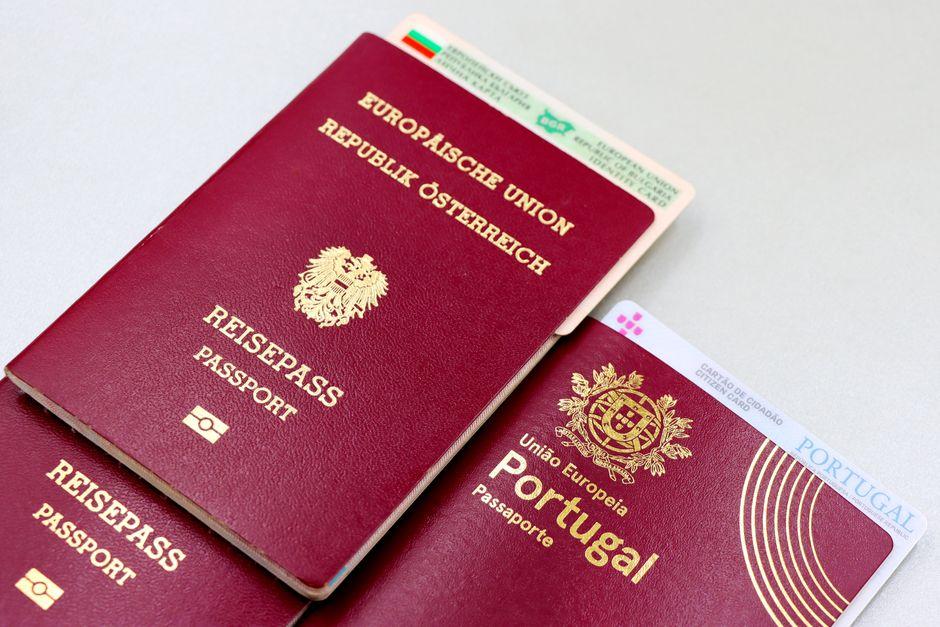
Understanding the Basics of Citizenship by Investment and How It Works
Citizenship by Investment (CBI) is a legal process through which individuals can obtain citizenship in a country by making a significant financial contribution, typically through investments, donations, or real estate purchases. This alternative to traditional naturalization appeals to those seeking a new passport for enhanced travel freedom, business opportunities, or personal security. The fundamental premise is straightforward: applicants provide an approved capital investment, meet due diligence requirements, and, in exchange, gain the legal rights and privileges of citizenship, often without the need to reside in the country permanently.
Understanding how CBI works involves recognizing key steps that are generally uniform across programs, though specific criteria and investment options vary widely. Applicants typically undergo:
- Background checks and due diligence to assess integrity and legitimacy.
- Financial contributions that may include government donations, real estate purchases, or business investments.
- Documentation submission proving identity, source of funds, and eligibility.
- Approval and issuance of citizenship and passport, often within a few months.
Each program balances benefits with potential risks, such as fluctuating investment values or changing legal frameworks, so prospective applicants should carefully compare options. For instance, some countries offer quicker processing but require higher minimum investments, while others might provide visa-free travel advantages but impose residency or language requirements. Below is a basic comparison illustrating typical variations:
| Program Feature | Common Variations |
|---|---|
| Minimum Investment | From $100,000 donation to multi-million-dollar real estate |
| Processing Time | 1 to 6 months on average |
| Residency Requirements | None to minimal physical presence |
| Travel Benefits | Visa-free access to 100+ countries |

The Advantages and Potential Drawbacks of Gaining a Second Passport
Obtaining a second passport through citizenship by investment offers a range of tangible advantages, making it an attractive option for individuals seeking enhanced global mobility and financial security. Some of the key benefits include:
- Visa-free travel: Access to more countries without the need for pre-approved visas, easing international business, leisure travel, and family visits.
- Economic diversification: The ability to live, work, and invest in a new country broadens economic opportunities and reduces dependence on a single jurisdiction.
- Tax optimization: Some citizenship programs come with favorable tax regimes, potentially lowering global tax burdens.
- Security and stability: A second passport can serve as a safeguard against political instability, economic downturns, or personal risk in the primary country of citizenship.
- Quality of life: Access to superior healthcare, education, and social services in the host country for the investor and their family.
However, the process and possession of a second passport are not without potential drawbacks, which prospective applicants should carefully consider:
- Costs and timeline: Citizenship by investment programs often require substantial financial input, with additional fees for legal counsel and due diligence, and processing times can range from months to years.
- Legal and tax complexities: Dual citizenship may create challenges around tax residency, reporting obligations, and compliance across jurisdictions, necessitating professional advice.
- Reputation risks: Some countries or institutions may view second passports obtained via investment skeptically, especially if the program has been subject to regulatory scrutiny or criticism.
- Exit conditions: Certain programs impose residency requirements post-citizenship or restrict dual citizenship, which can limit flexibility.
- Changing regulations: Citizenship by investment frameworks evolve rapidly; programs can be suspended, altered, or revoked, impacting the long-term validity of the investment.
| Aspect | Advantages | Potential Drawbacks |
|---|---|---|
| Mobility | Visa-free access to 100+ countries | Some countries may restrict recognition of second passports |
| Financial | Investment opportunities and tax benefits | High upfront costs and complex tax rules |
| Legal Status | Dual citizenship rights and protections | Possible residency or compliance obligations |
Navigating the Leading Citizenship by Investment Programs Around the World
Citizenship by Investment (CBI) programs have surged in popularity as individuals and families seek faster, more secure pathways to second passports. Navigating the leading CBI programs around the world requires understanding each country’s specific investment requirements, benefits, and processing times. Common investment routes include real estate purchases, government bonds, or direct contributions to national development funds. Countries like St. Kitts and Nevis, Dominica, and Malta are frequently highlighted for their streamlined processes and relatively low minimum investments, while programs in Portugal and Greece offer attractive residency-to-citizenship pathways through property investment. Key benefits often sought include visa-free travel, tax advantages, and enhanced global mobility, but applicants should also consider factors such as due diligence rigor, legal safeguards, and potential geopolitical risks.
When comparing top CBI programs, several aspects stand out as decisive. Below is a concise comparison of popular choices frequently ranked for 2024:
| Country | Investment Type | Minimum Investment | Processing Time | Visa-Free Travel |
|---|---|---|---|---|
| St. Kitts & Nevis | Real estate / Donation | USD 150,000 (donation) | 3-6 months | Over 150 countries |
| Malta | Government contribution / Property | EUR 750,000 + | 12-18 months | EU Schengen Area |
| Dominica | Donation / Real estate | USD 100,000 (donation) | 3-4 months | Over 140 countries |
| Portugal | Real estate / Capital transfer | EUR 280,000+ | 1-2 years (Residency-to-citizenship) | EU Schengen Area |
For those starting their journey, partnering with reputable legal advisors and licensed agents remains essential to avoid pitfalls such as fraudulent programs or unexpected tax obligations. By carefully assessing each program’s requirements against personal goals-whether tied to travel freedom, business opportunities, or family security-investors can confidently navigate the complex landscape of citizenship by investment.
Key Considerations When Choosing the Right Citizenship by Investment Option
- Investment Requirements and Budget: One of the foremost considerations is understanding the type and size of the required investment. Citizenship by investment programs typically demand either a direct donation to a government fund, real estate purchase, or business investment. Prospective applicants should evaluate their budget carefully, as entry costs can range from $100,000 to over $2 million. Transparent fee structures, including due diligence and administrative costs, also influence the total financial commitment.
- Processing Time and Application Complexity: The timeframe for citizenship approval varies widely, from as fast as 3-6 months to several years. Applicants need to assess how quickly they require the new citizenship and be prepared for varying levels of bureaucracy. Some programs feature streamlined procedures with minimal residency requirements, while others expect physical presence or more extensive documentation, which can add complexity and delay.
- Visa-Free Travel and Global Mobility: A crucial benefit of citizenship by investment is enhanced travel freedom. The target country’s passport ranking and visa agreements should align with your mobility goals. Researching which countries offer visa-free or visa-on-arrival access can help determine the program’s strategic value for business, family, or personal reasons.
- Legal and Tax Implications: Citizenship impacts your legal status, tax obligations, and international reporting requirements. Evaluating whether the new citizenship imposes double taxation, exit taxes, or mandatory declarations is essential. Consulting with legal and tax professionals ensures the chosen program fits your long-term financial planning.
- Reputation and Security of the Program: The credibility of the citizenship program is vital. Some jurisdictions have faced scrutiny for lax due diligence, resulting in reputational risks. Ensuring the program has robust background checks, transparent governance, and international recognition will safeguard against future complications.
| Consideration | Key Questions to Ask |
|---|---|
| Investment Type | Is it a donation, real estate, or business investment? What are the minimum amounts? |
| Processing Time | How long does approval take? Are there residency or interview requirements? |
| Visa Access | Which countries can you visit visa-free with this passport? |
| Tax Impact | Will acquiring this citizenship affect your current tax status or reporting duties? |
| Program Integrity | Does the program conduct thorough due diligence to protect against fraud? |
Common Misconceptions About Citizenship by Investment Explained
- Citizenship by investment (CBI) is a shortcut to citizenship: A common misconception is that acquiring citizenship through investment bypasses standard legal procedures or offers a quick, effortless path. In reality, CBI programs have rigorous requirements, including comprehensive due diligence, background checks, and substantial financial commitments. These steps ensure that applicants meet legal standards set by the host country, maintaining security and integrity throughout the process.
- CBI leads to “passport shopping” without restrictions: Some believe that citizenship obtained via investment allows for unlimited travel freedom or tax evasion. While some CBI passports do offer extensive visa-free access globally, this benefit varies widely depending on the country chosen. Investors should also understand that tax obligations depend on the policies of both the new country and their original residence, meaning citizenship alone doesn’t guarantee tax advantages.
| Misconception | Reality |
|---|---|
| Instant citizenship without scrutiny | CBI applicants undergo extensive checks and must fulfill strict investment criteria |
| Guaranteed unlimited visa-free travel | Visa-free access depends on the issuing country’s diplomatic relations and rankings |
| Automatic tax benefits | Tax implications vary widely by country and personal tax residency rules |
Final Thoughts
In a world where borders blur and opportunities beckon beyond horizons, citizenship by investment emerges as a compelling crossroads of finance, freedom, and identity. While it promises a passport to new possibilities-be it economic growth, enhanced mobility, or personal security-it also invites careful scrutiny of potential pitfalls and ethical questions. As you weigh the benefits against the risks and navigate the evolving landscape of top programs in 2024, remember that citizenship is more than a document-it’s a gateway to belonging. Choose wisely, for in this journey, your new nationality could redefine not just where you live, but how you live.




