
In an increasingly interconnected world, the idea of holding more than one passport is no longer just a luxury for the elite-it’s a strategic asset. Citizenship by investment programs have emerged as a fascinating pathway for individuals seeking new opportunities, enhanced global mobility, and economic diversification. But how does this process really work? What are the tangible benefits and hidden costs involved? And which countries offer the most compelling programs? This article unpacks the mechanics behind citizenship by investment, providing a clear-eyed exploration of its advantages, expenses, and the top destinations where this unique form of citizenship is within reach. Whether you’re a curious traveler, a savvy investor, or simply intrigued by the shifting dynamics of nationality, read on to discover what makes this option increasingly attractive worldwide.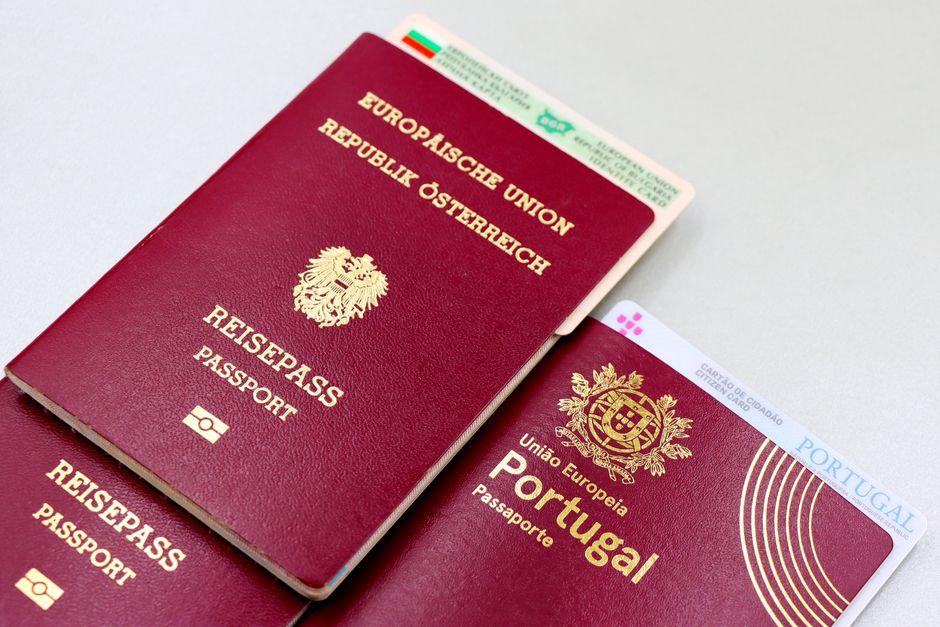
Understanding the Basics of Citizenship by Investment
Citizenship by Investment (CBI) is a legal process through which individuals can acquire citizenship in a country by making a substantial economic contribution. Unlike traditional naturalization, which often requires lengthy residency and complex personal qualifications, CBI programs streamline the path to citizenship by focusing primarily on financial investment. Typically, applicants invest in government-approved projects such as real estate, business ventures, or national development funds, meeting the country’s set minimum investment threshold. This process results in acquiring full citizenship rights, including passports, without the usual residency or language requirements. The appeal of CBI lies in its speed, convenience, and access to broader global mobility, making it particularly attractive for high-net-worth individuals looking to diversify their legal and economic opportunities worldwide.
When considering citizenship by investment, it’s important to understand core differences and potential challenges. Not all CBI programs are created equal – benefits vary widely based on nationality restrictions, visa-free travel access, tax regimes, and program costs. Common questions include whether dependents qualify, the timeline for citizenship approval, and potential risks like changes to legislation or political stability. Key factors to evaluate include:
- Investment Amount: Ranges from $100,000 to over $2 million, depending on the country and investment type.
- Processing Time: Can be as fast as 3 months to over a year.
- Visa-Free Travel: Passport strength varies; some CBI passports open access to over 150 countries.
- Residency Requirements: Many programs require no physical residence.
| Factor | Typical Range | Notes |
|---|---|---|
| Minimum Investment | $100,000 – $2,000,000+ | Depends on country & program type |
| Processing Time | 1 – 12 months | Some offer expedited service |
| Residency Requirement | None to minimal | Varies by program |
| Visa-Free Access | 50-180+ countries | High variation by passport |
Weighing the Advantages and Challenges of Citizenship Programs
Citizenship by investment programs offer a unique pathway to gaining a second nationality quickly, often in exchange for a significant financial contribution or investment. The clear advantages include increased global mobility, favorable tax conditions, enhanced personal and business security, and access to new markets or education systems. For many, these programs provide a valuable solution for diversifying assets and ensuring greater personal flexibility. Additionally, many countries streamline the application process, making it faster and more straightforward compared to traditional naturalization methods.
However, these programs come with challenges that potential applicants must carefully assess. Key considerations include the high cost of investment, which can range from hundreds of thousands to millions of dollars, and strict due diligence protocols that might lead to application denial. Furthermore, some citizenship-by-investment options face international scrutiny regarding transparency and legitimacy, causing concern over reputation risks. Comparing programs is essential, as each country differs in processing times, required investments, and benefits granted (visa-free travel, tax treatment, etc.). To navigate these complexities effectively, consulting with legal and financial experts familiar with the most reputable programs is highly recommended.
- Advantages: faster citizenship, global mobility, tax benefits, personal security
- Challenges: high costs, due diligence hurdles, variable program reliability, geopolitical risks
| Aspect | Common Benefits | Typical Challenges |
|---|---|---|
| Cost | Investment starting at $100,000+ | High upfront financial commitment |
| Processing Time | 3 months to 1 year | Delays due to strict background checks |
| Benefits | Visa-free travel, business advantages | Limited or conditional rights in some countries |
Exploring Popular Destinations for Investment Citizenship
- Saint Kitts and Nevis: Known for launching the first citizenship by investment program in 1984, Saint Kitts and Nevis offers a fast and straightforward path to citizenship. Investors typically choose between a non-refundable contribution to the Sustainable Growth Fund or approved real estate investments. Benefits include visa-free travel to over 150 countries, no residency requirements, and a streamlined application process taking as little as 3-6 months. However, the real estate route requires holding the investment for at least seven years, which may impact exit flexibility.
- Malta: As a member of the European Union, Malta’s Individual Investor Programme (IIP) appeals to those seeking EU citizenship and the associated rights, such as living, working, and studying across all EU countries. The program involves a combination of a contribution to the National Development and Social Fund, investment in government bonds or real estate, and a residence period generally not less than 12 months. While the financial threshold is higher compared to Caribbean options, Malta offers strong diplomatic protections and high global mobility.
- Dominica: Popular for its affordable entry point and robust due diligence, Dominica’s program offers citizenship through donation to the Economic Diversification Fund or real estate investment. The process is efficient, often under 4 months, and grants access to visa-free travel to key destinations in Europe, the Caribbean, and Asia. This option is frequently favored by first-time investors or those prioritizing cost-effectiveness without compromising on global reach.
| Country | Investment Options | Processing Time | Visa-Free Travel | Residency Requirement |
|---|---|---|---|---|
| Saint Kitts & Nevis | Donation or Real Estate | 3-6 months | 150+ countries | None for donation, 7 years for real estate |
| Malta | Donation, Bonds, Real Estate | 12-36 months | 180+ countries (EU access) | 12 months minimum |
| Dominica | Donation or Real Estate | 3-4 months | 140+ countries | None |
Key Considerations When Choosing the Right Program
- Investment Requirements & Financial Considerations: Different citizenship by investment programs demand varying minimum investments, ranging from real estate purchases and government bonds to direct donations. It’s crucial to evaluate not only the initial capital but also associated fees such as due diligence charges, processing costs, and maintenance expenses. Understanding these financial commitments upfront helps prevent surprises and ensures the program fits your budget and long-term financial strategy.
- Application Processing Time and Success Rates: Processing times can vary widely, from a few months to over a year, depending on the country’s administrative efficiency and due diligence intensity. Programs with rigorous background checks typically have lower rejection rates but may take longer. Assessing average processing durations alongside the historical approval rates offers clarity on how quickly and securely you can expect to obtain citizenship.
| Factor | Impact | What to Look For |
|---|---|---|
| Due Diligence Standards | Ensures applicant legitimacy, affecting approval chances and reputation of citizenship | Transparent policies, third-party checks, thorough background screening |
| Tax & Travel Benefits | Influences quality of life, global mobility, and financial planning | Visa-free access list, double taxation treaties, tax residency rules |
| Residency Requirements | Determines flexibility and ease of maintaining citizenship status | Look for minimal or no physical presence mandates |
Common Mistakes to Avoid in Citizenship by Investment Process
- Neglecting thorough due diligence: One of the most frequent mistakes in the citizenship by investment process is overlooking detailed research on the program and country. Applicants often focus narrowly on costs or benefits without fully understanding legal requirements, residency obligations, or potential tax implications. Failing to verify the credibility of agents or service providers can also lead to fraud or application rejection. It’s crucial to review official government sources and consult with licensed immigration experts to avoid surprises and ensure compliance.
- Incomplete or inaccurate documentation: Submitting incorrect or missing paperwork is a common barrier to approval in citizenship by investment schemes. Because these programs require precise information-ranging from financial statements to background checks-even minor discrepancies can delay processing or cause outright denial. Applicants should allocate sufficient time to assemble and verify every document, such as passports, proof of funds, and medical clearances, ideally with professional guidance. This attention to detail simplifies due diligence checks and accelerates approval timelines.
| Common Mistake | Impact | How to Avoid |
|---|---|---|
| Rushing the application process | Increased errors and incomplete filings | Plan ahead and allow ample time for review |
| Ignoring tax regulations | Unexpected liabilities and legal issues | Consult tax professionals familiar with dual citizenship |
| Choosing the wrong investment option | Lower return or failed eligibility | Analyze program offerings closely and seek advice |
In Summary
In a world where borders are both bridges and barriers, citizenship by investment offers a unique pathway to new opportunities, freedoms, and futures. Whether motivated by business ambitions, lifestyle changes, or a desire for global mobility, understanding the intricacies-benefits, costs, and top programs-is essential before taking the leap. As this article reveals, the journey to dual citizenship is as much about careful planning as it is about embracing the possibilities that come with a new national identity. Ultimately, citizenship by investment is not just a transaction; it’s an invitation to redefine what home means in an increasingly connected world.




