
In a world where lines on a map signify more than just geography, holding a dual passport is a journey that transcends borders both literal and metaphorical. It is an experience marked by complexity and subtle victories-woven with the threads of identity, legality, and belonging. “Crossing Borders Twice: The Complex Journey and Quiet Triumphs of Holding a Dual Passport” explores the nuanced realities faced by those who navigate two nations through their citizenship. Beyond the paperwork and regulations lies a story of cultural fusion, legal challenges, and the often unseen grace of living between worlds. This article invites readers to unpack the layered essence of dual nationality, highlighting how crossing borders twice shapes not only travel but also the very fabric of personal identity.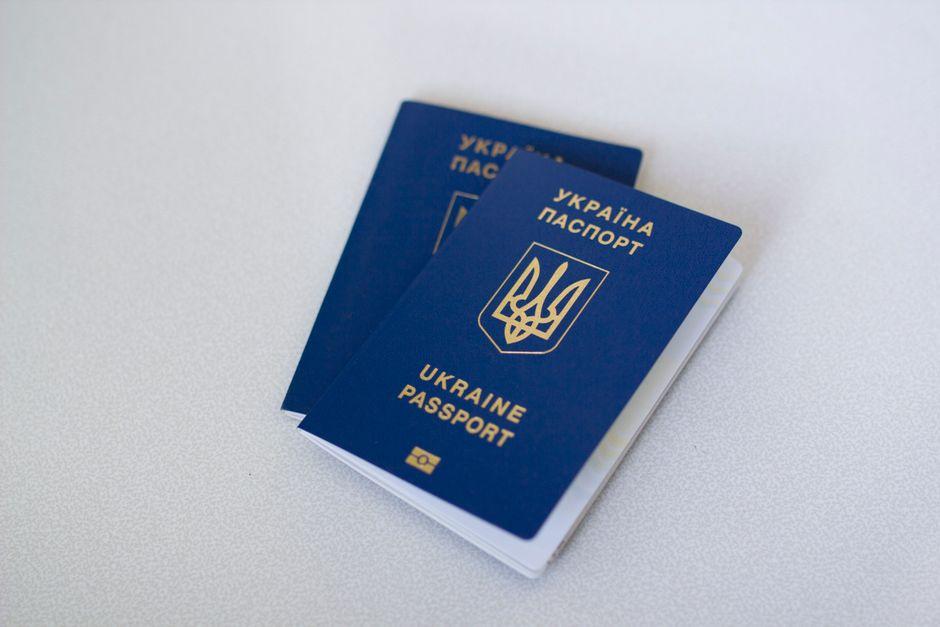
Navigating Two Nations Within Everyday Moments
Living between two countries with dual citizenship often means navigating the subtle, everyday challenges that don’t come with grand declarations but quietly shape one’s sense of identity and belonging. Take, for example, the experience of Sara, who effortlessly switches between driving on the left side in the UK, where her passport grants her a smooth entry, and then adjusting to the right side in the US, her second home. These are the small moments-at a grocery store, a classroom, or a casual conversation-where dual nationals become cultural translators, decoding unspoken social cues and expectations that differ widely. Despite the ease a second passport can offer at borders, inside daily life, it requires constant recalibration of behavior and mindset, often leading to a surprising internal tug-of-war between two sets of norms. What Sara initially expected to be a seamless blend of two cultures soon revealed itself as a continual dance requiring patience and adaptability.
Decisions like which driver’s license to renew or what language to speak at family gatherings reveal deeper lessons about the complexity of belonging. Mark’s household, for example, blends Brazilian warmth and Italian formality, creating a unique fusion that feels both familiar and foreign. A brief comparison highlights these contrasts:
| Scenario | Brazilian Side | Italian Side |
|---|---|---|
| Family Dinners | Lively, loud, multiple dishes shared | Formal, structured courses, emphasis on tradition |
| Communication Style | Expressive, emotive | Reserved, polite |
- Expectation: A clear-cut single identity.
- Reality: A layered self that shifts contextually.
- Lesson: Embracing fluidity in identity can open richer connections in both worlds.
These everyday negotiations, from mundane errands to emotional family rituals, underscore the quiet triumphs that come with holding a dual passport-not just the practical benefits, but the deep, ongoing work of bridging two nations within oneself.
Unseen Hurdles in Bureaucracy and Belonging
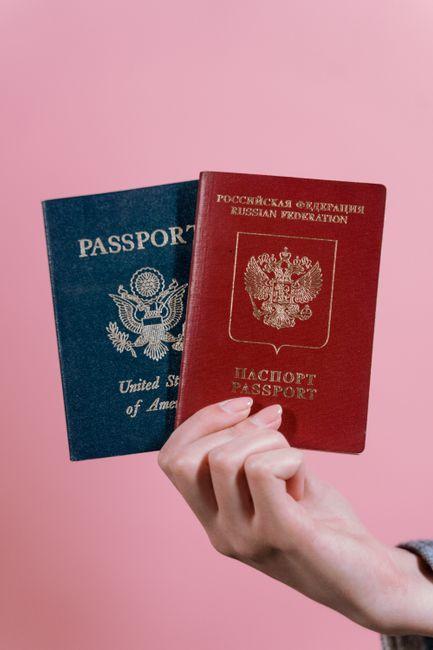
When Maya decided to pursue a second citizenship, she anticipated the usual paperwork grind-forms, fees, and waiting periods. What she hadn’t fully prepared for were the invisible barriers embedded within each bureaucratic step. In one instance, her application for a dual passport was stalled due to a minor discrepancy in the spelling of her grandparent’s name, a detail that seemed trivial but unlocked weeks of back-and-forth with government officials. These hurdles often felt less like procedural steps and more like tests of patience and persistence, revealing how dual citizenship isn’t just a legal status but a constant negotiation with systems designed for singular identities, not overlapping ones.
Beyond paperwork, the sense of belonging wore its own complexities. Consider Karim, who moved back and forth between two countries where he held citizenship. While legally accepted in both places, he often found himself caught in a liminal identity: too foreign for the country of his birth and not foreign enough for his second home. This created subtle but persistent moments of exclusion, from social invitations to professional networks. Yet these challenges also taught him the value of selective belonging-choosing where to invest emotionally or culturally depending on context. The lessons here stretch beyond borders:
- Bureaucracy often reflects old-world frameworks not built for modern, cross-national identities.
- Identity as a dual citizen is fluid, shaped by context rather than fixed loyalty.
- Adaptability becomes a key skill, navigating both administrative systems and social landscapes.
| Expectation | Reality |
|---|---|
| Smooth legal processes | Unexpected delays and bureaucratic nuances |
| Seamless cultural integration | Feelings of being “in-between” identities |
| Clear, singular sense of belonging | Dynamic, context-dependent affiliations |
When Heritage and Home Pull in Different Directions
Maria was born in Mexico but grew up in Canada, where her family moved when she was just five. Holding both passports gave her a sense of belonging to two worlds, but it also presented moments when these identities tugged in opposing directions. For instance, when it came time to vote, she found herself torn-not just about *which* ballot to mark, but about the deeper meaning of her choice. Voting in Canada felt like honoring the country that shaped her childhood, yet Mexico’s elections stirred a more visceral connection to her roots and family history. This duality wasn’t just a political dilemma; it was a microcosm of how heritage and current home sometimes clashed in everyday life. Simple decisions-like where to celebrate holidays or which language to speak at family gatherings-became charged with emotional weight, illuminating how dual citizenship often extends beyond legal benefits into the realm of identity negotiation.
In practical terms, these conflicts can ripple into more complex scenarios. Take Ahmed, whose Egyptian and German passports gave him flexibility to live and work across continents, but also placed him in tricky legal and cultural intersections. When applying for certain jobs in Germany, he faced questions about his “real nationality,” an experience that conflicted with the inclusive expectations he had on paper as an EU citizen. At the same time, traveling back to Egypt sometimes required careful navigation around local laws and customs that felt foreign to him. These experiences underscore a crucial lesson for dual passport holders: the two countries don’t just offer double opportunities-they also come with contrasting rules, expectations, and sometimes, hard choices.
| Scenario | Expectation | Reality |
|---|---|---|
| Voting | Clear sense of political identity | Emotional conflict, divided loyalties |
| Job Applications | Equal acceptance as citizen | Questions about “true” nationality |
| Travel | Hassle-free movement | Complex visa and legal constraints |
- Lesson for dual citizens: Embrace the complexities rather than expect seamless integration, as each country’s cultural and legal framework can pull your allegiance in different directions.
- Decision moments: Are more than administrative-they’re personal reflections on identity, belonging, and choice.
Small Triumphs That Redefine Identity and Opportunity
Take Ana, for instance, who always thought that having a dual passport would be a straightforward benefit – a simple key to more travel, more opportunities, and more freedom. Yet, her story tells a more nuanced truth. When she moved between her two countries, she found that each identity came with its own set of expectations and micro-decisions. A visa application was denied on one side because of incomplete paperwork, reminding her that bureaucracies often move at their own pace, no matter how many passports you carry. Meanwhile, moments like securing a job interview exclusive to citizens brought a surge of pride and validation. These small victories – receiving her dual citizenship documentation, being able to vote in two national elections, or even the ease of enrolling her child in two different school systems – quietly redefined what opportunity looked like for her.
These instances illuminate how dual citizenship reshapes identity in subtle, often unexpected ways:
- Choice becomes layered: Deciding where to pay taxes or even where to celebrate national holidays gains personal significance beyond mere logistics.
- Belonging feels fluid: It’s less about exclusive loyalty and more about navigating a hybrid sense of self, which can be both empowering and disorienting.
- Access versus acceptance: While passports can open doors, the real challenge often lies in feeling genuinely embraced by both communities.
| Expectation | Reality | Lesson Learned |
|---|---|---|
| Immediate Ease of Travel | Sometimes paperwork or local rules delayed journeys unexpectedly. | Patience and preparation are crucial, even with dual citizenship. |
| Seamless Belonging | Feelings of alienation surfaced when cultural nuances clashed. | Identity is a mosaic, not a monolith; embracing complexity leads to growth. |
Lessons from the Spaces Between Cultures and Borders
Living between cultures and borders often means inhabiting a space where identity and belonging don’t fit neatly into boxes. Take Ana, for example, who grew up with a Brazilian mother and an Italian father. Holding passports from both countries, she found herself celebrated as a citizen everywhere yet feeling like a perpetual outsider somewhere. At family gatherings or official events, Ana noticed how cultural nuances and language tweaks shaped her experiences-sometimes a source of connection, other times a quiet reminder of the differences that no document could bridge. One pivotal moment came when she navigated the expectations of two contrasting social norms during a work negotiation abroad. The Brazilian warmth and indirectness clashed with the Italian directness, forcing her to adapt her communication style carefully. From such moments, holders of dual passports often learn that cultural fluency requires more than language skills-it demands emotional agility and an openness to embrace paradox.
What many don’t anticipate is how these “in-between” experiences offer not only challenges but unexpected advantages. Consider Malik, whose dual citizenship between Canada and Morocco gave him flexible travel options but also required him to confront conflicting legal obligations, like tax filing and civic duties. His lessons weren’t just bureaucratic; they were deeply human. He realized that the space between borders could also become a laboratory for empathy and perspective-taking. Rather than struggling to fit into one predefined narrative, he shaped a hybrid identity enriched by diverse values and viewpoints. Key takeaways from these experiences often include:
- The value of patience: Navigating two sets of cultural expectations is rarely linear or immediate.
- Flexibility in communication: Adjusting tone, expressions, or even silence depending on the context.
- Embracing ambiguity: Accepting that a sense of “home” can be multifaceted and fluid.
| Expectation | Reality |
|---|---|
| Dual citizenship means seamless travel and easy identity | Navigating legal complexities and cultural negotiations daily |
| Strong sense of belonging to one culture or country | A blended, evolving identity that defies single categories |
To Conclude
In the end, holding a dual passport is more than just a practical tool for crossing borders-it is a quiet testament to the layered identities and stories that reside within us. It speaks of complex journeys, both external and internal, where challenges intertwine with moments of unexpected grace. As these silent triumphs accumulate, they quietly reshape how we navigate the world and ourselves, reminding us that belonging is not always about where we come from, but often about the paths we choose to embrace along the way.




