
In an increasingly interconnected world, the movement of people across borders is both a timeless human story and a defining feature of modern society. Yet, the complexities surrounding immigration often spark debate and division. “Bridging Borders: Exploring Practical Immigration Solutions” aims to navigate this intricate landscape with a clear-eyed focus on tangible approaches. This article invites readers to look beyond rhetoric and consider innovative strategies that honor the hopes and challenges of migrants while addressing the concerns of host communities. By exploring practical solutions, we seek to illuminate pathways toward more inclusive and effective immigration policies—where borders become links rather than barriers.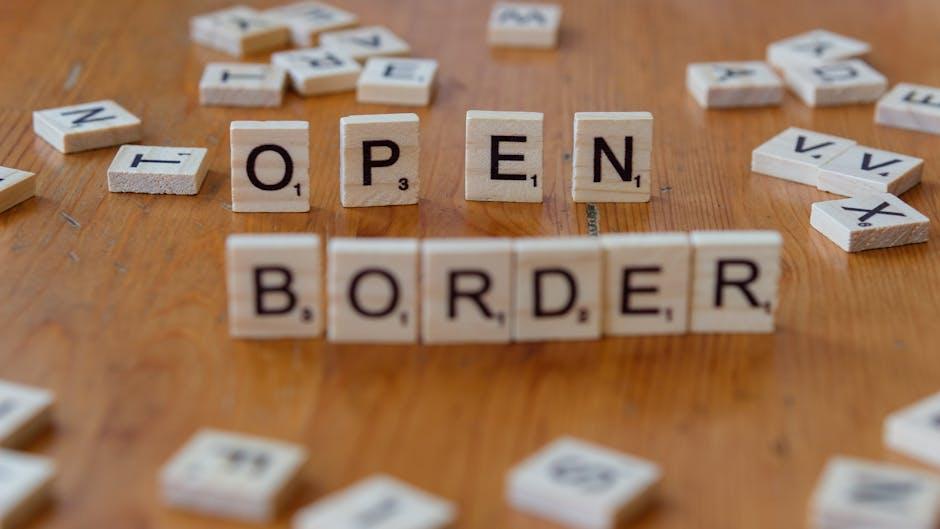
Bridging Borders with Inclusive Policy Frameworks
Crafting policies that genuinely embrace diversity requires more than just legislation—it demands a mindset shift toward collaboration and empathy. By integrating cultural awareness training for policymakers and stakeholders, governments can create frameworks that respect both the host communities’ values and the immigrants’ needs. This approach fosters mutual understanding and paves the way for smoother integration, promoting social cohesion and economic opportunity simultaneously. Such frameworks often include flexible pathways for legal entry, access to education, and workforce participation, enabling newcomers to contribute meaningfully from day one.
Practical solutions also hinge on transparent and adaptive policies that continually evolve based on community feedback and data analysis. Here’s a snapshot of key elements that make policy frameworks truly inclusive:
- Streamlined documentation processes to reduce bureaucratic delays
- Community engagement programs fostering dialogue and trust
- Multilingual support services ensuring accessibility
- Legal protections against discrimination and exploitation
| Policy Component | Impact | Example |
|---|---|---|
| Flexible Residency | Encourages economic participation | Temporary Work Visas |
| Family Reunification | Enhances social stability | Priority Processing |
| Education Access | Empowers future generations | Scholarships & Language Classes |
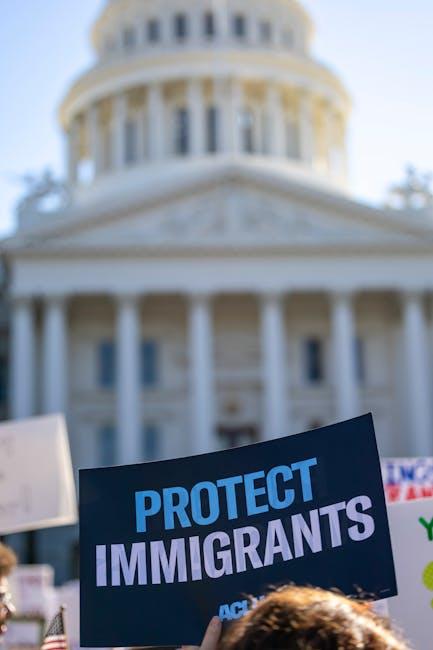
Harnessing Technology for Efficient Immigration Processes
In an era defined by rapid digital transformation, immigration systems stand to benefit immensely from innovative technological applications. Automated data analysis and artificial intelligence streamline case reviews, dramatically reducing processing times while maintaining accuracy. Furthermore, blockchain technology offers a secure, transparent ledger for sensitive personal records, mitigating fraud and enhancing trust between applicants and governments. These advancements not only expedite procedures but also foster a more user-friendly experience for immigrants navigating complex bureaucracies.
Key technologies reshaping immigration workflows include:
- AI-powered document verification for swift error detection and validation
- Cloud-based platforms enabling seamless, remote application submission and status tracking
- Data encryption and blockchain ensuring data integrity and compliance with privacy regulations
| Technology | Benefit | Example Use Case |
|---|---|---|
| Artificial Intelligence | Accelerates application processing | Automated eligibility assessments |
| Blockchain | Secures data against tampering | Immutable visa records |
| Cloud Computing | Facilitates remote access | Online application portals |
Empowering Communities through Cultural Integration Programs
Building bridges between diverse backgrounds requires more than policy changes—it demands immersive programs that celebrate heritage while fostering unity. Through cultural integration initiatives, communities create safe spaces where newcomers not only share their stories but also actively learn local customs and languages. These programs emphasize mutual respect and understanding, making cultural exchange a two-way process that enriches both immigrants and host societies. Such grassroots efforts pave the way for collaboration, reducing social tensions and accelerating the process of settling into new environments.
- Community-led workshops featuring traditional arts and cuisine
- Language exchange meetups paired with mentorship from locals
- Intercultural festivals promoting shared celebrations and public dialogues
- Inclusive educational programs encouraging youth participation across cultures
Measurable impacts of these integration programs become visible through increased civic engagement, employment opportunities, and a marked rise in social cohesion. A comparative analysis in the table below highlights how such initiatives contribute directly to empowering individuals and revitalizing communities across various regions.
| Region | Community Integration Score | Employment Growth (%) | Cultural Event Participation |
|---|---|---|---|
| North America | 87 | 15 | High |
| Europe | 75 | 12 | Medium |
| Australia | 80 | 18 | High |
| South America | 68 | 10 | Medium |
Strengthening Legal Pathways to Foster Economic Participation
Establishing robust legal frameworks is essential to unlock the full potential of immigrants in the workforce. Streamlined visa processes and transparent eligibility criteria can reduce bureaucratic hurdles, allowing skilled individuals to contribute swiftly. Governments are increasingly prioritizing policies that support not just entry but also integration, recognizing that economic participation flourishes when newcomers have access to employment rights, social services, and language training. Key measures to enhance these pathways include:
- Creating multi-tiered visa systems tailored to different skill levels and sectors
- Implementing digital platforms to expedite application reviews and reduce delays
- Encouraging private sector partnerships to align immigration policies with labor market demands
- Establishing community support networks for smooth cultural and professional adaptation
Consider the following simplified framework illustrating how legal reforms can impact economic engagement:
| Legal Reform | Impact on Migrants | Economic Benefit |
|---|---|---|
| Fast-track work permits | Quicker employment start | Boosts productivity |
| Recognition of foreign qualifications | Less re-training needed | Skilled labor retention |
| Pathways to permanent residency | Long-term stability | Higher consumer spending |
By embedding these approaches within national immigration policy, countries can build resilient economies enriched by diverse talent, ensuring that migration serves as a bridge rather than a barrier to opportunity.
Collaborative International Partnerships for Sustainable Migration Solutions
In an increasingly interconnected world, fostering synergistic relationships across nations is vital to addressing migration challenges with lasting impact. By pooling resources, expertise, and innovation, countries can co-create frameworks that empower migrants while respecting sovereignty and cultural diversity. Joint ventures such as shared labor programs, bilateral visa facilitation agreements, and cross-border skills recognition serve as pillars of these alliances, enhancing migrant integration and economic vitality on both sides of the border.
Effective collaboration also hinges on data-driven insights and transparent communication channels that enable real-time problem solving. Key elements of successful partnerships include:
- Regular intergovernmental forums for policy alignment and best practice exchange
- Community-level stakeholder engagement ensuring local realities and migrant voices shape outcomes
- Technology-enabled tracking systems promoting safe and legal migration pathways
| Partnership Model | Primary Benefit | Key Stakeholders |
|---|---|---|
| Labor Mobility Pact | Streamlined employment access | Governments, Employers |
| Skill Certification Reciprocity | Faster integration into job markets | Educational Institutions, Licensing Boards |
| Information Sharing Network | Improved policy coordination | Migration Agencies, NGOs |
The Conclusion
As we navigate the complex landscape of immigration, it becomes clear that bridging borders is more than a policy challenge—it is a collective journey toward empathy, innovation, and fairness. Practical solutions demand collaboration across communities, governments, and individuals, reminding us that beyond lines on a map are the stories of people seeking opportunity and belonging. By embracing nuanced approaches and shared responsibility, we can turn the promise of open doors into a reality that enriches us all. The path forward may be intricate, but with thoughtful dialogue and purposeful action, the bridges we build today will connect not just places, but hearts and futures.




