
In an increasingly interconnected world, the allure of holding multiple passports has captivated investors and globetrotters alike. Yet, while the promise of newfound freedom to traverse borders often takes center stage, the reality behind passport-by-investment programs reveals a more complex narrative. Beyond the glossy veneer of unrestricted travel, these schemes are carefully crafted financial maneuvers-strategic decisions aimed at optimizing wealth, safeguarding assets, and unlocking economic opportunities. This article delves into why the pursuit of a second passport is less about escaping limitations and more about navigating the intricate landscape of global finance.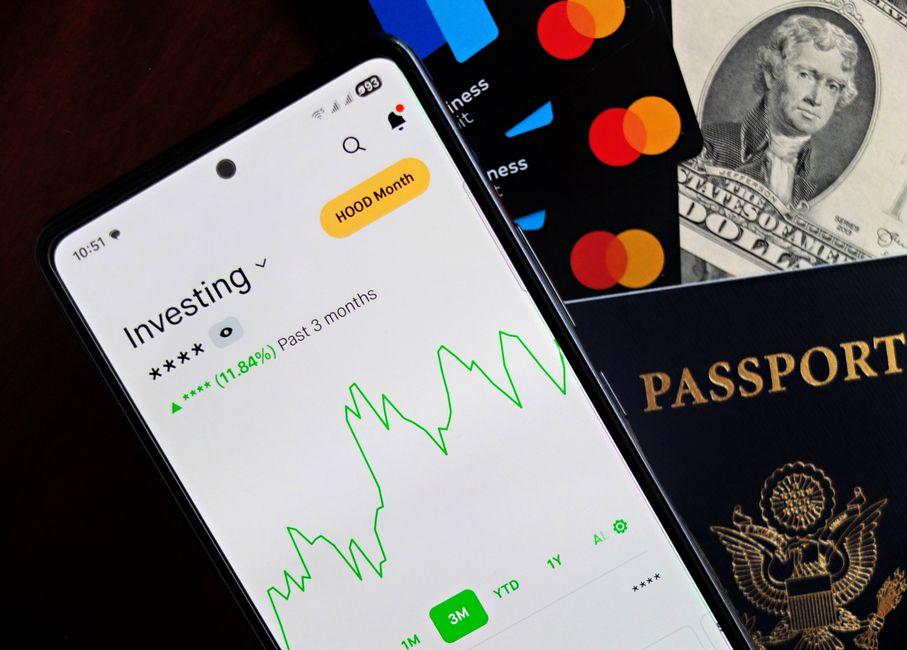
Unmasking the Illusion of Liberty in Passport-by-Investment Programs
At first glance, passport-by-investment programs appear to offer a golden ticket to unprecedented liberty: second citizenship, visa-free travel, and a safety net during political or economic turmoil. Yet, this narrative often masks a more transactional reality. True freedom-rooted in socio-political rights, cultural integration, and civic participation-is rarely achievable through a mere financial transaction. Instead, these programs commodify nationality, reducing the abstract ideal of liberty to a product priced between tens of thousands and millions of dollars. This commodification raises critical questions: Is the passport truly a gateway to freedom, or merely a sophisticated tool for asset diversification and risk mitigation? The illusion of liberty can distract investors from the inherent limitations tied to these documents, such as fluctuating diplomatic relations, potential revocation risks, and the absence of genuine political voice or community belonging.
Furthermore, the trade-offs embedded in passport-by-investment schemes are often glossed over by glossy brochures and marketing spin. Financial strategy-driven motivations must weigh the benefits of mobility against the nebulous legal and ethical landscapes these programs inhabit. For example, some citizenships acquired through investment might deliver immediate travel advantages, but lack robust social services, political stability, or widespread international acceptance, thereby limiting their practical utility. A nuanced recommendation would advocate for a holistic evaluation that includes not just the short-term economic gains but also:
- Geopolitical stability: Is the citizenship secure against future policy shifts?
- Long-term residency requirements: Do investors genuinely qualify for permanent integration, or are they perpetually ‘outsiders’?
- Taxation and reporting obligations: Are the fiscal trade-offs transparent and manageable?
- Reputational and ethical considerations: How might citizenship acquisition affect personal or corporate credibility?
Only by confronting these nuanced realities can investors recalibrate their expectations from an illusory concept of liberty to a calculated financial strategy, thereby transforming disappointment into informed empowerment.
When Citizenship Becomes Currency The Calculated Risks Behind Financial Mobility
When citizenship transforms into a form of currency, the equation shifts from romantic ideals of freedom to a calculated assessment of value, risk, and opportunity. Passport-by-investment programs commodify nationality, turning it into a strategic asset leveraged for financial mobility rather than mere identity. Yet, this monetization is far from a universal panacea; it demands weighing trade-offs between cost, political risk, and economic stability. Not all passports offer equal liquidity in the global marketplace – a $100,000 investment in one jurisdiction may unlock visa-free access to 190 countries, while a similar sum elsewhere might only yield a handful of travel privileges and uncertain returns. Investors must dissect the geopolitical landscape, understanding that the real worth of “citizenship currency” hinges on nuanced variables like diplomatic relations, regulatory transparency, and reputational risk of the issuing country.
Decision-making here requires a multidimensional approach that transcends popular narratives about freedom. For instance, a second passport should be viewed less as a ticket to unbounded personal liberty and more as a tool embedded within a sophisticated financial strategy that balances:
- Liquidity: How seamlessly can this passport facilitate global business, banking, and residence options?
- Risk Mitigation: Does the citizenship serve as a hedge against political upheaval or currency devaluation in one’s home country?
- Cost Efficiency: Beyond initial investment, what ongoing financial or legal obligations might diminish net benefits?
- Exit Strategy: Can the investment be recouped or leveraged further, and under what conditions?
Table of Citizenship Currency Factors
| Factor | High-Value Attribute | Potential Pitfall |
|---|---|---|
| Visa Access | Extensive visa-free travel | Countries with limited diplomatic recognition |
| Political Stability | Low risk of sudden policy changes | Susceptibility to populist shifts |
| Investment Liquidity | Ability to reclaim or repurpose funds | Locked capital; illiquid assets |
Implications are clear: citizenship acquisition should be an extension of rigorous portfolio diversification, not impulsive freedom-seeking. Those approaching passport-by-investment as a shortcut to unrestricted movement risk overlooking the bigger picture – financial resilience and mobility are contingent on far more than just a new nationality’s stamp. In this economy of identity, carefully curated strategy determines whether citizenship becomes a dynamic asset or an underutilized liability.
Beyond the Hype Rethinking the True Value of Investment-Based Passports
Investment-based passports are often hyped as gateways to boundless freedom and unbridled opportunity, but this narrative overlooks the complex calculus behind their true value. Rather than a simple ticket to global mobility, these passports function primarily as sophisticated financial instruments. They represent a strategic allocation of capital that offers a blend of risk diversification, tax optimization, and asset protection. This shift in perspective demands a critical evaluation of the often overstated “freedom” narrative. Freedom, in this context, is less about personal liberty and more about the latitude granted in managing wealth across geopolitical landscapes.
To navigate this landscape astutely, investors must weigh several nuanced trade-offs. Consider liquidity versus control: investing in countries with strongly regulated real estate markets may secure citizenship but tie up capital for extended periods. Similarly, jurisdictions offering favorable tax regimes might come with increased compliance burdens or political volatility. The table below highlights key dimensions investors often overlook:
| Criteria | Common Assumption | Nuanced Reality | Strategic Consideration |
|---|---|---|---|
| Mobility | Universal global access | Selective visa waivers; varies by passport strength | Align passport choice with key business/markets |
| Tax Benefits | Automatic tax shelters | Subject to local and international tax laws | Consult cross-border tax experts |
| Investment Liquidity | Fast asset conversion | Often long lock-in periods | Ensure investment horizon matches personal liquidity needs |
This framework illustrates that investment passports should be approached with a clear-eyed financial strategy rather than idealistic assumptions of freedom. The smartest investors integrate these passports into broader wealth planning-not as singular solutions but as components of an adaptive, resilient portfolio. In doing so, they transcend the hype and harness real economic value.
Strategic Wealth Diversification Dissecting Passport-by-Investment as a Financial Tool
Passport-by-investment (PBI) demands a reframing from the idyllic narrative of mere personal freedom to a sharp focus on nuanced wealth diversification strategies. Unlike conventional diversification, which primarily rotates assets across stocks, bonds, and real estate, PBI introduces a legally potent, jurisdictional dimension to portfolio allocation. While many investors fixate on the notion of “mobility,” the true financial calculus lies in how a second passport systematically minimizes geopolitical risk-hedging against capital controls, exchange rate volatility, and unstable tax regimes. However, this buffer is not without notable trade-offs: application costs, time delays, and stringent regulatory scrutiny often inflate the implicit investment threshold beyond typical asset diversification expenses. Therefore, PBI should be positioned not as a catch-all freedom panacea but as a targeted defensive asset, optimized for those with concentrated exposure to politically or economically fragile domiciles.
Discerning investors must apply a calibrated approach to PBI benefits, recognizing its most pragmatic application below the surface: access to differentiated financial ecosystems. Country passports offering streamlined financial products and vaulting entry to robust offshore banking ecosystems amplify a portfolio’s liquidity and reinvestment options. Yet, these benefits vary widely, as frameworks in Caribbean nations differ starkly from those in EU jurisdictions-not merely in cost but in embedded institutional quality, transparency, and long-term sustainability. A simple matrix can clarify these subtle advantages:
| Criterion | Caribbean PBI | EU PBI | Strategic Insight |
|---|---|---|---|
| Cost of Entry | Low (US$100K-200K) | High (US$1M+) | Lower upfront capital but less prestige and market access |
| Financial Market Access | Limited, emerging | Wide, mature | EU passport significantly enhances wealth management options |
| Regulatory Stability | Variable | High | Higher compliance predictability with EU passports |
| Tax Optimization | Flexible regimes, but riskier | Strict but clearer | Trade-off between tax aggressiveness and regulatory risk |
Ultimately, strategic incorporation of PBI into wealth portfolios requires a selective prism: only those who actively manage cross-border regulatory complexity and prioritize jurisdictional resilience reap disproportionate benefits. Overreliance on PBI for “freedom” glosses over fundamental wealth structuring principles and risks diluting focus from core asset appreciation and risk mitigation strategies.
The Opportunity Costs of Buying a Second Passport Hidden Consequences and Smarter Alternatives
Acquiring a second passport through investment often sells a narrative of boundless freedom, yet the opportunity costs embedded in these transactions demand a more discerning evaluation. The capital allocated to obtain citizenship-whether through real estate, government bonds, or business ventures-could instead fund diversified financial vehicles that potentially offer higher liquidity, greater returns, or more direct access to international markets. Beyond financial trade-offs, buyers face less tangible but equally critical costs: increased scrutiny from global tax authorities, complexities in estate planning, and the risk of reputational damage if the program’s geopolitical standing shifts suddenly. To frame it simply, a second passport is not an unequivocal leap to mobility; it is a strategic pivot that might restrict future agility rather than enhance it.
When weighing the hidden costs, consider these distinctions to avoid common pitfalls:
- Liquidity vs. Permanence: Real estate investments lock capital that might be more flexibly deployed through financial instruments tailored to individual risk profiles.
- Tax Implications: Citizenship is intertwined with tax residency rules; an unintended consequence can be a heavier tax burden or loss of beneficial treaties.
- Political Stability: Citizenship programs can be vulnerable to sudden policy reversals, undermining the passport’s value overnight.
| Consideration | Buying a Second Passport | Smarter Financial Alternatives |
|---|---|---|
| Capital Lock-in | High (e.g., real estate, non-liquid assets) | Low to moderate (e.g., ETFs, bonds) |
| Flexibility & Mobility | Medium; passport utility varies with geopolitics | High; diversified portfolios adapt quicker to change |
| Regulatory Exposure | High; must navigate immigration and tax complexities | Moderate; governed by standard financial regulations |
Ultimately, the decision to buy citizenship should not be pigeonholed as purely a quest for freedom or status but reframed as a sophisticated financial maneuver with nuanced pros and cons. Smart investors balance these costs against alternative wealth preservation and mobility strategies-often blending citizenship considerations with advanced tax planning, residency permutations, and targeted global investments. This multidimensional approach transforms what is commonly viewed as a passport ‘purchase’ into a holistic portfolio decision, maximizing both personal freedom and financial resilience.
In Conclusion
In the evolving world of global mobility, the allure of passport-by-investment programs often dazzles with promises of freedom and adventure. Yet, beneath this glamorous veneer lies a nuanced financial strategy-one that savvy individuals deploy not simply to broaden horizons, but to optimize wealth, security, and opportunity. Understanding this subtle interplay transforms the passport from a mere travel document into a calculated asset, reflecting not only where one can go, but how one can navigate the complexities of an interconnected economy. In this light, passport-by-investment stands less as a symbol of unfettered freedom and more as a sophisticated tool in the arsenal of financial planning.




