
In an increasingly interconnected world, the concept of citizenship transcends traditional boundaries, evolving from mere identity into a strategic choice. For an emerging class of global citizens, investment citizenship programs offer more than just a passport-they promise entry into new realms of opportunity, security, and freedom. Yet, behind the allure of these golden visas lies a complex web of decisions, values, and unforeseen challenges. “Beyond Borders: Journeys and Dilemmas in Choosing Investment Citizenship Countries” delves into the nuanced landscape where ambition meets ethics, and opportunity intersects with identity, revealing the multifaceted realities behind the pursuit of a second home.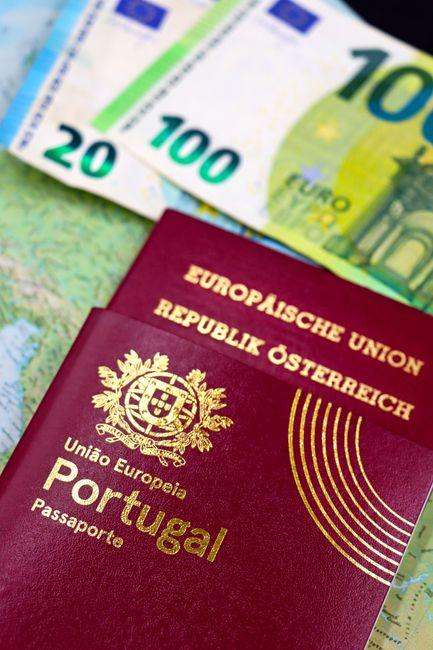
Weighing Opportunity Against Uncertainty in Investment Citizenship
When Sophia first considered investment citizenship, the allure of seamless global mobility and promising tax benefits painted a compelling picture. Yet, as she dug deeper, the landscape revealed nuances that demanded a more cautious approach. She discovered that what looked like a straightforward golden ticket often came paired with layers of geopolitical risks and regulatory uncertainties. For instance, a country offering generous citizenship-by-investment schemes could unexpectedly revise its policies or impose new residency requirements, impacting her long-term plans. Through cases like hers, investors learn that opportunity is rarely a binary choice; instead, it’s a careful balance of potential gains versus evolving risks. Sophia’s decision ultimately hinged on understanding how stable the legal framework was, how transparent government practices appeared, and whether local economic conditions might shift amid global turbulence.
Take Ahmed, who invested in a Caribbean state drawn by its quick program and relatively low threshold, hoping for faster family mobility during a pandemic. Initially, the process seemed seamless, but increasing scrutiny over due diligence processes and shifting diplomatic ties soon clouded the value of his citizenship. His experience highlights a crucial lesson: expectations based on marketing often contrast sharply with lived outcomes. To navigate this, investors typically weigh several key decision points, including:
- Political stability and potential for policy changes
- Comparative economic resilience and currency risks
- Transparency and rigor of the application and vetting process
- Post-investment obligations like residency or ongoing contributions
Below is a simplified comparison that reflects common investor considerations:
| Aspect | High-opportunity Country | Lower-risk Alternative |
|---|---|---|
| Investment Threshold | $150,000 donation | $500,000 real estate |
| Processing Time | 3-6 months | 12-18 months |
| Policy Stability | Moderate volatility | High stability |
| Visa-Free Access | 130+ countries | 100+ countries |
In weighing these factors, the lesson is clear: the brightest opportunities often come with shadows of uncertainty. Savvy investors embrace this tension not as a deterrent, but as the basis for informed decisions that look beyond surface benefits and assess the journey ahead with realistic expectations.
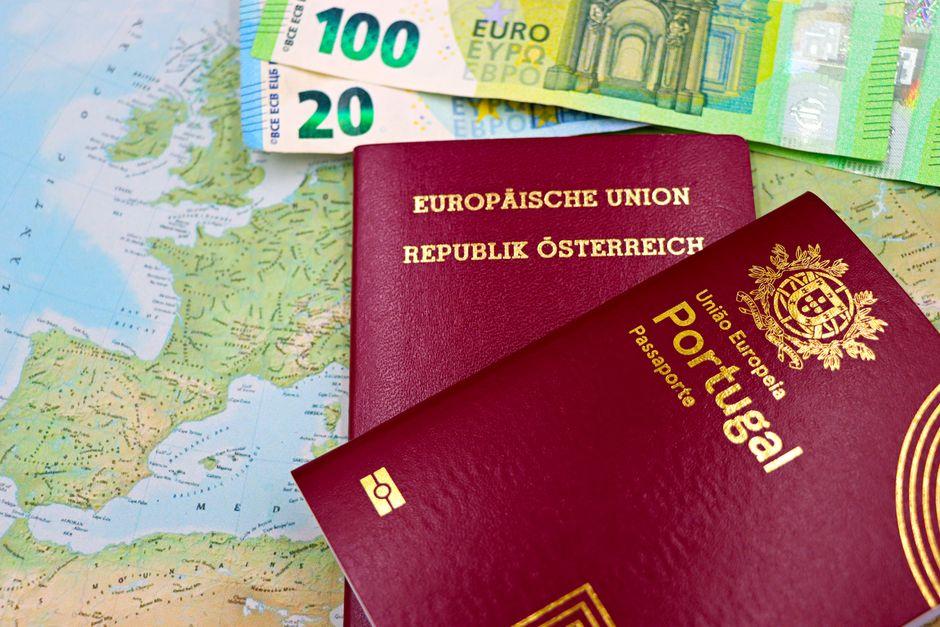
Navigating Legal Complexities and Cultural Landscapes Abroad
Marie, a tech entrepreneur from France, found herself grappling with unforeseen legal complexities soon after choosing her investment citizenship in a Caribbean nation. What initially seemed like a straightforward pathway-to gain a second passport by opting into a real estate investment-soon revealed layers of regulatory hurdles. Local laws demanded exhaustive documentation and rigid timelines that contrasted sharply with her expectations shaped by glossy brochures. This experience underscored a reality for many investors: understanding not only the legal framework but also how bureaucracy functions on the ground can make or break the process. What helped Marie was enlisting local legal counsel who navigated her through permits, ownership restrictions, and tax obligations. Their insight prevented costly missteps, highlighting a key lesson: comprehending the *nuances* of immigration and property laws abroad is critical and often a dynamic challenge, not a static checklist.
Contrast Amir’s journey in Southeast Asia, whose hopes of cultural assimilation clashed with a very different societal reality. He envisioned a seamless integration, inspired by expat blogs and urban narratives. Yet, the cultural landscape proved layered and sometimes opaque. Language barriers and social customs influenced everything from everyday interactions to filing investment documents. Amir’s story speaks to a broader truth for prospective investment citizens: beyond legal compliance, cultural fluency can be just as decisive. These realities prompted him to engage more deeply with the community through language classes and cultural events-approaches that ultimately eased his transition. Investing in citizenship overseas thus demands attention to both tangible regulations and intangible cultural codes, both of which shape whether the investment represents a mere transaction or a transformative new beginning.
- Key Decision Points to Consider:
- Legal compatibility with existing investments and tax structures
- Availability of reliable local legal and financial advisers
- Length and complexity of residency or documentation requirements
- Degree of cultural openness and language barriers
| Expectation | Reality | Lesson Learned |
|---|---|---|
| Quick, straightforward legal process | Lengthy paperwork and bureaucratic delays | Engage trusted local experts early |
| Seamless cultural integration | Language hurdles and social nuances | Invest in cultural education and community engagement |
When Dreams Diverge from Reality in a New Homeland
Many investors envision their new countries of citizenship as seamless gateways to luxury lifestyles, enhanced freedom, or lucrative business opportunities. Take Elena, for example, who pursued citizenship in a Mediterranean country primarily attracted by its pristine coastline and perceived thriving startup ecosystem. Upon arrival, she quickly discovered that the cost of living was significantly higher than anticipated, and the so-called business-friendly environment was mired with red tape that slowed her efforts to launch her tech venture. This stark contrast between expectation and experience is common and underscores the importance of thorough due diligence. Beyond the surface-level attractions, migrants must consider practical elements such as bureaucratic efficiency, cultural integration challenges, and realistic cost-to-benefit ratios.
To navigate these disparities, investors should ask critical questions throughout their decision-making process:
- What are the everyday realities related to housing, healthcare, and education?
- How aligned is the local socio-political environment with my long-term goals?
- What support systems exist for newcomers facing integration hurdles?
A quick comparison of anticipated benefits versus common on-the-ground realities often helps recalibrate expectations:
| Expectation | Common Reality |
|---|---|
| Instant access to business networks and investors | Requires months or years of relationship-building |
| Low taxation as a major financial incentive | Hidden fees, mandatory contributions, or shifting policies |
| Seamless cultural assimilation | Language barriers, social isolation, and identity conflicts |
Only by embracing these nuances can investors transform early disillusionment into informed adaptation, ensuring their new homeland becomes more than just a legal status but a vibrant part of their evolving story.
Lessons from Pioneers Who Crossed Borders for Investment
- Maria’s Gambit: A software entrepreneur from Brazil, Maria was drawn to citizenship-by-investment in Portugal for its thriving tech ecosystem and EU mobility. Initially, her expectation was straightforward-secure a foothold in Europe without weaving through complex bureaucracy. However, her journey revealed unexpected layers: the residency requirements were more stringent than anticipated, demanding a continuous physical presence that clashed with her global travel commitments. What she learned was the value of aligning lifestyle realities with legal obligations early on. By consulting local experts, she adjusted her schedule and leveraged regional investor networks, turning a potential setback into a springboard for expanded business ties.
- Ahmed’s Calculated Move: In contrast, Ahmed, a Dubai-based investor, sought Caribbean citizenship primarily for tax optimization and family security. Initially, a streamlined process and quick issuance promised minimal hassle, but the post-investment period introduced new complexities. The anticipated ease in accessing U.S. and European markets was somewhat constrained by geopolitical shifts affecting visa agreements and banking regulations. Ahmed’s experience underscores a vital lesson: while the allure of “easy access” often drives initial decisions, continuous geopolitical monitoring and adaptive financial strategies are crucial to maintaining the investment’s long-term value.
| Case | Initial Expectation | Reality Encountered | Key Lesson |
|---|---|---|---|
| Maria (Portugal) | Simple residency, easy EU travel | Strict physical presence requirement | Align residency demands with lifestyle |
| Ahmed (Caribbean) | Fast citizenship, favorable tax access | Changing geopolitical landscape | Regular reassessment of benefits and risks |
Finding Balance Between Global Freedom and Rooted Belonging
For many investors pursuing citizenship programs, the promise of global freedom often stands in stark contrast with the deep human need for rooted belonging. Take the example of Anna, a tech entrepreneur who secured citizenship in a Caribbean nation known for its visa-free travel to over 140 countries. Initially, the allure was undeniable: seamless business trips across Europe and Asia, not to mention the tax benefits. However, Anna soon realized that while her new passport opened doors internationally, it did not replace the sense of community and cultural identity she cherished in her hometown in Eastern Europe. When crises hit-whether personal or political-the abstract freedom her new citizenship granted felt hollow without a genuine sense of rootedness.
- Decision point: Should one prioritize mobility or cultural integration?
- Lesson learned: Citizenship is more than a travel document; it can be a community and a shared history.
- Contrast: The expectation of borderless belonging versus the reality of intangible loyalties.
Another illustrative case is that of Mark and Lucia, a couple who chose investment citizenship in a European country celebrated for its robust social welfare and inclusive society. Their expectation was to blend global access with a new sense of belonging. Yet challenges emerged when language barriers and local bureaucracies complicated daily life, underscoring how practical integration depends on far more than paperwork. This experience reveals that achieving balance requires deliberate investment in building ties-cultural, linguistic, and social-not just legal status. Ultimately, their story affirms that finding harmony between expansive freedoms and local roots involves ongoing choices and trade-offs-a dynamic process rather than a final destination.
| Aspect | Global Freedom Focus | Rooted Belonging Focus |
|---|---|---|
| Primary Benefit | Visa-free travel, business agility | Community ties, cultural identity |
| Common Challenge | Lack of deep social integration | Language barriers, administrative complexity |
| Key Decision | Prioritize mobility or roots? | Invest time in cultural adaptation? |
In Conclusion
As the sun sets on the complex landscape of investment citizenship, one truth remains clear: the journey beyond borders is as much about personal vision as it is about financial strategy. Each choice, laden with possibilities and dilemmas, reflects not only a pursuit of opportunity but also a quest for identity, security, and belonging in an ever-interconnected world. In navigating these uncharted territories, investors are called to balance aspiration with caution, weighing the promises of new horizons against the realities they leave behind. Ultimately, the decision to embrace a new citizenship is more than a transaction-it is a passage into a future shaped by both ambition and reflection.




