
In a world where borders are often seen as gateways to opportunity, the allure of a second passport has sparked a global fascination. But beneath the glamorous promise of freedom to travel and live without limits lies a more intricate reality. Passport by investment, far from being merely a ticket to liberty, is increasingly a calculated move in the complex chessboard of financial strategy. This subtle shift invites us to rethink the true value of these coveted documents-not just as symbols of personal freedom, but as powerful tools in wealth management, risk diversification, and global mobility for the savvy investor.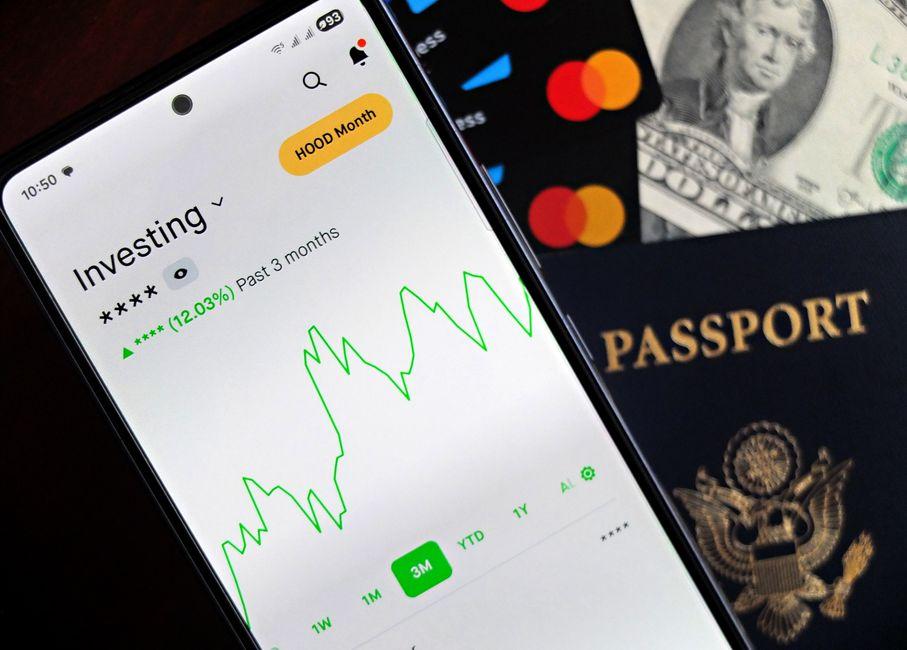
Rethinking the Illusion of Liberty Behind Passport by Investment Programs
The allure of passport by investment programs often hinges on the seductive promise of “instant freedom”-a passport that grants visa-free travel, business opportunities, or political security in a mere matter of months. Yet, this framing is an oversimplification that glosses over inevitable constraints. True liberty involves more than a travel document; it demands rights, security, and genuine integration into a society. Many investors quickly realize that these passports do not guarantee long-term residency rights, social benefits, or political participation-essentials that define citizenship beyond a veneer of convenience. In essence, the perceived freedom offered is selective and transactional, designed to serve economic interests as much as, if not more than, individual liberty.
To navigate this terrain wisely, one must shift the lens from idealistic freedom to pragmatic utility. Passport by investment programs are better viewed as complex financial instruments rather than straightforward emancipation tools. Consider the following trade-offs when evaluating such programs:
- Speed vs. Substance: Rapid citizenship often sacrifices deep cultural or civic integration.
- Mobility vs. Stability: Visa-free access does not equate to socioeconomic stability or legal protections.
- Cost vs. Value: High investment thresholds may not proportionally translate into the breadth of rights or protections expected.
| Aspect | Passport by Investment | Traditional Citizenship |
|---|---|---|
| Acquisition Time | Months to 1 year | Years to Decades |
| Integration Requirements | Minimal to None | Often comprehensive (language, residency, civic participation) |
| Rights Granted | Varies; often limited rights beyond travel | Full legal, political, and social rights |
In conclusion, rethinking these programs requires acknowledging their strategic financial underpinnings rather than romanticizing them as vehicles for freedom. Investors should prioritize clarity on what liberties they truly gain, and which remain elusive behind the glossy veneer of “instant citizenship.” Such discernment separates savvy decision-making from fallacious expectations.

The Financial Calculus Often Overlooked in Second Citizenship Deals
At face value, second citizenship programs often promise unparalleled freedom-freedom to travel, to invest, to live, and to escape unforeseen political upheaval. Yet, beneath this alluring surface lies a profound financial calculus that remains insufficiently scrutinized. The upfront fees and investments can, at times, masquerade as the primary costs, distracting applicants from ongoing fiscal realities such as tax implications, property value fluctuations, and compliance costs across jurisdictions. These aren’t mere administrative hurdles; they represent subtle but persistent financial drains that can erode the perceived value of a citizenship-by-investment (CBI) passport. Crucially, not all programs yield an identical return on investment (ROI). Some offer passports from countries with stable, growing economies and sound governance, while others risk tethering applicants to volatile markets or opaque regulatory frameworks, where the real cost might emerge years after initial acquisition.
To navigate this nuanced financial landscape effectively, investors must move beyond simplistic ROI calculations based solely on acquisition cost versus immediate travel perks. Instead, consider a dynamic, multi-dimensional approach:
- Long-term fiscal sustainability: Assess ongoing costs, from annual fees to tax liabilities and the stability of the host country’s economic policies.
- Asset liquidity and diversification: Factor in how the investment (often real estate or business ventures) inside the CBI jurisdiction aligns with broader portfolio goals and exit strategies.
- Legal robustness: Evaluate how solidly the program guards against revocation, sudden rule changes, or geopolitical shifts, which can dramatically affect asset security.
The trade-off is clear: a cheaper, fast-track passport might offer immediate convenience but expose the investor to greater unforeseen risks down the line. Conversely, a more expensive jurisdiction with rigorous due diligence and higher transparency can protect value and preserve mobility across decades. Thus, the underlying financial calculus in CBI is less about paying for a travel document and more about strategically leveraging citizenship as an integrated component of wealth management.
When Global Mobility Becomes a Calculated Asset Move
Viewing global mobility through the lens of calculated asset relocation reframes passport-by-investment programs from mere luxury acquisitions to deliberate financial maneuvers. It’s critical to discard the simplistic narrative that these schemes primarily offer freedom or escape; instead, they function as sophisticated tools for optimizing wealth, tax strategy, and geopolitical risk mitigation. When mobility is “asset-driven,” the primary goal shifts: it becomes less about the lifestyle benefits of easy travel and more about the strategic deployment of personal wealth into jurisdictions that enhance asset protection, succession planning, and currency diversification. This perspective compels investors to prioritize legal robustness over prestige, tax efficiency over convenience, and regulatory stability over short-term appeal-criteria often overshadowed by the allure of visa-free travel scores or residency perks.
However, this asset-centric approach involves delicate trade-offs that demand discernment. For instance, while some citizenship-by-investment programs offer quick processing times, the underlying financial ecosystems may present long-term vulnerabilities such as fluctuating political climates or opaque regulatory frameworks that could jeopardize asset stability. Not all passports are created equally when it comes to financial safekeeping and future-proofing wealth. Consider the following evaluative matrix:
| Factor | High-Risk Programs | Strategic Asset Moves |
|---|---|---|
| Political Stability | Frequent policy shifts, weak institutions | Stable governance, predictable reforms |
| Tax & Regulatory Transparency | Opaque regimes, aggressive tax regimes | Clear laws, favorable tax treaties |
| Wealth Protection | Limited legal recourse, weak asset safeguards | Strong property rights, investor-friendly courts |
| Long-Term Flexibility | Short-term perks, risk of revocation | Enduring rights, multigenerational planning |
Consequently, a passport’s value as an “asset” extends beyond immediate benefits, demanding a nuanced evaluation that balances speed and convenience against foundational economic and legal protections. For those serious about leveraging global mobility as a core component of wealth strategy, selecting jurisdictions with resilient frameworks rather than just glossy perks is non-negotiable. This challenges the popular notion that a second passport is primarily an escape hatch; it should instead be vetted as a fortified node in a complex, globalized portfolio-one that requires foresight, due diligence, and tactical patience.
Unmasking the Hidden Costs and Constraints of Buying Citizenship
While the allure of citizenship-by-investment programs often hinges on promises of unprecedented freedom and global mobility, the reality is far more complex and nuanced. The true costs extend beyond the upfront financial outlay, encompassing concealed fees, ongoing compliance obligations, and geopolitical risks that can rapidly erode the perceived value. For instance, “hidden” expenses such as due diligence fees, legal costs, and compulsory donations to government funds can inflate the initial investment by 20-40%. Moreover, applicants must navigate a labyrinth of requirements including residency stipulations, mandatory renewals, and tax declarations that can shackle the very freedom the passport supposedly guarantees.
Making an informed decision requires acknowledging these trade-offs clearly. A superficial view equating citizenship with boundless privilege ignores the variable weight globally attributed to different passports, the shifting sands of international relations, and domestic political climates that influence the stability and utility of one’s new status. Investors should weigh such factors alongside their personal, financial, and geopolitical landscapes. Below is a distilled juxtaposition of key hidden costs and constraints to scrutinize before committing:
| Aspect | Common Assumption | Reality & Implications |
|---|---|---|
| Financial Outlay | One-time fee covers all | Additional fees (due diligence, legal, agent commissions) often add 25-40% on top |
| Residency Requirements | Citizenship is immediate and unconditional | Some programs demand physical presence or maintain tax ties |
| Taxation | New citizenship offers new tax havens | Multiple tax jurisdictions and reporting can complicate finances |
| Political Stability | Passports are permanent and secure | Domestic upheaval or diplomatic shifts can impact rights and passport value |
Consequently, a strategic investor should treat citizenship-by-investment not as an instant freedom ticket but as a sophisticated asset allocation decision, balancing not just price but ongoing administrative commitments and geopolitical dynamics. This framework helps dispel the romanticized myths and positions the choice within a grounded financial strategy rather than a simplistic escape fantasy.
Balancing Risk and Reward Beyond the Allure of Instant Passport Access
Instant passport access through investment can seem like an alluring shortcut to global mobility, but this allure often overshadows the complex trade-offs between risk and reward that savvy investors cannot afford to ignore. Unlike traditional asset classes, citizenship-by-investment programs present unique challenges-ranging from geopolitical exposure and regulatory shifts to reputational risks-that can swiftly erode the expected benefits. For instance, a passport tied to a small, politically volatile country may offer visa-free travel but simultaneously expose the holder to sudden policy reversals or international scrutiny. In this respect, the transactional nature of these programs demands an astute evaluation of country stability, the robustness of due diligence practices, and the future-proofing potential against evolving global norms, rather than a superficial chase for immediate passport acceptance.
Balancing risk and reward here is less about ticking boxes for global access and more about strategic alignment with long-term financial goals. Investors must discern between:
- Liquidity-friendly jurisdictions that enable seamless asset mobility but may carry higher political or economic risk.
- Reputation-centric passports from well-established countries that may restrict immediate access but offer enduring legitimacy and geopolitical insulation.
- Cost-to-benefit ratios where the upfront investment and ongoing compliance far outweigh transient advantages.
By interrogating these parameters critically, investors avoid falling prey to the simplistic “passport as freedom” narrative and instead appreciate citizenship-by-investment as a sophisticated financial instrument embedded with nuanced risk profiles. This perspective encourages a portfolio mindset: just as diversification buffers against market volatility, diversifying one’s citizenship options-or integrating them carefully into broader wealth strategies-can mitigate risk while amplifying the actual utility beyond face-value convenience.
| Factor | Risk Consideration | Reward Potential |
|---|---|---|
| Country Stability | Susceptible to political upheaval and sanctions | Visa-free travel to niche but limited markets |
| Due Diligence & Compliance | Risk of program suspension or reputational damage | Fast-track approval and legal protection |
| Financial Outlay | High upfront costs with unpredictable returns | Potential asset diversification and tax optimization |
Future Outlook
In the complex landscape of global mobility, passports have evolved from simple documents of identity into strategic financial instruments. While the allure of newfound freedom and seamless travel often dominates the conversation, the true power of passports by investment lies beneath the surface-in the realm of wealth preservation, diversification, and opportunity. As discerning individuals navigate the crossroads of geopolitics and economics, these second citizenships offer more than just a new address; they provide a calculated move in the game of financial strategy. Ultimately, understanding this nuanced perspective reshapes how we perceive identity and freedom in an increasingly interconnected world.




