
In a world where identity and belonging are increasingly fluid, the idea of holding more than one passport is no longer a distant dream but a tangible reality for many. “Beyond Borders: Navigating the Promise and Complexities of a Second Citizenship” delves into this multifaceted phenomenon that transcends mere legal status. It is a journey into the promises of expanded opportunity, security, and freedom, alongside the intricate challenges of loyalty, cultural integration, and legal obligation. As global mobility reshapes personal and political landscapes, the quest for a second citizenship invites us to reconsider what it truly means to belong-beyond lines on a map.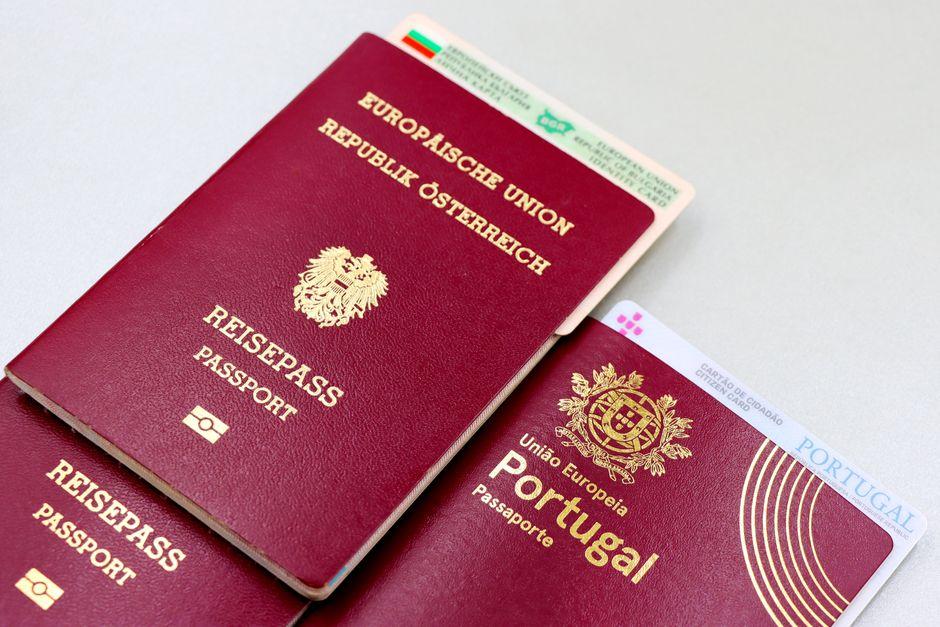
Layers of Identity in a New Homeland
When Elena moved from Colombia to Portugal after securing her second citizenship, she soon realized that identity wasn’t simply a box to tick or a passport to carry. At first, she felt a thrill-a sense of freedom and belonging that came from being legally recognized in a new country. But over time, the layers beneath that legal status revealed themselves in unexpected ways. For instance, while Elena embraced Portuguese culture and language, she still felt a persistent pull towards her Colombian roots during family gatherings and cultural holidays. This blending of identities often created quiet internal debates: Should she prioritize her new homeland’s customs in professional settings, or honor her native traditions? These moments of reflection are common among dual citizens, highlighting that identity is both fluid and deeply personal, shaped by everyday choices rather than just legal frameworks.
Consider the case of Rahul, an IT specialist who gained Canadian citizenship after years of living and working there, while still holding onto his Indian heritage. Unlike Elena, Rahul encountered more stark contrasts between expectations and reality, especially in social interactions. He expected dual citizenship to lead to seamless acceptance, but he often found himself navigating subtle stereotypes and questions of “where he really belonged.” These experiences forced Rahul to redefine his own sense of identity-not as a singular national belonging, but as a mosaic of experiences, values, and relationships. The layering of identity can be summarized in this simple table, reflecting common dual citizens’ journeys:
| Aspect | Expectation | Reality |
|---|---|---|
| Sense of Belonging | Instant cultural integration | Gradual hybrid identity formation |
| Community Acceptance | Full inclusion | Selective belonging, sometimes conditional |
| Self-Perception | Clear, singular identity | Complex, layered identity |
- Lesson learned: Negotiating identity means embracing contradictions rather than resolving them neatly.
- Decision moments: Choosing when to speak a native language or celebrate cultural practices becomes a powerful assertion of self.
- Contrast in expectations: Legal citizenship unlocks rights, but emotional citizenship evolves over a lifetime.
When Opportunity Meets Legal Labyrinths
Maria, a successful entrepreneur from Brazil, had always dreamed of expanding her business into Europe. When she discovered the option to obtain a second citizenship through investment in a Mediterranean country, the excitement was palpable. The promise of visa-free travel, new markets, and enhanced global mobility seemed within easy reach. However, the initial enthusiasm quickly gave way to a labyrinth of legal intricacies. She faced a thicket of documentation requirements, unexpected processing delays, and the challenge of aligning her legal counsel’s advice with local regulations that weren’t always clear or consistent. Maria’s experience highlights a crucial reality: the path to a second citizenship is rarely a straightforward one, and understanding the legal framework is as important as the opportunity itself.
Consider also the case of Ahmed, who pursued a citizenship-by-descent program hoping to reconnect with his ancestral homeland. Despite providing exhaustive proof and genealogical records, he encountered procedural hurdles that stretched the timeline from months to years. The lesson here was stark-expectations rooted in emotional narratives or simplified online resources often clash with the slow-moving wheels of bureaucracy and jurisdiction-specific nuances. Navigating these legal labyrinths requires not only patience but also an adaptable strategy that anticipates potential pitfalls. Here’s a quick contrast of what applicants often expect versus what reality tends to deliver:
| Expectation | Reality |
|---|---|
| Quick and simple application process | Lengthy, multi-step procedures requiring legal guidance |
| Clear-cut criteria and eligibility | Often ambiguous rules, varying interpretations, and changing policies |
| Low risk of application denial | Possibility of rejection even after significant investment of time and resources |
- Lesson: Engage experienced legal professionals familiar with the specific jurisdiction early.
- Decision point: Balance the allure of benefits against the cost, time, and emotional toll of navigating complex legal systems.
- Mindset: Approach the opportunity with cautious optimism-readiness for the unexpected is key.
Stories from the Threshold of Two Nations
When Miguel first pursued his second citizenship, he imagined an effortless passage into a wider world-smooth travel, new business connections, and a clear sense of belonging. However, after securing his citizenship in a European country, he encountered unexpected challenges that reshaped his experience. At the airport, questions from authorities revealed how, despite official citizenship, migrants are sometimes viewed through a complex lens of identity and loyalty. Back home, he faced the internal tug-of-war between embracing a new legal identity while honoring his roots. Miguel’s story reflects a common tension: the legal status gained does not always translate to immediate social acceptance or an integrated identity. His lesson? Citizenship is not just a document but an ongoing negotiation between personal aspirations and societal perceptions.
Contrast this with Aisha, who pursued a Caribbean citizenship primarily for ease of access to global markets for her small consultancy business. Her expectations centered on practical benefits-easier visas and a diversified portfolio. Yet, she quickly realized the complexities of cross-border taxation and the diligence required to maintain compliance with two sets of regulations. What started as a strategic move expanded into a deep dive into financial literacy and legal nuance. Aisha’s journey underscores the importance of informed decision-making-she advises others to:
- Engage early with legal and tax professionals familiar with dual citizenship implications
- Consider both countries’ evolving policies and their potential impact on residency requirements
- Anticipate that benefits often come wrapped in responsibilities that require ongoing attention
| Aspect | Miguel’s Experience | Aisha’s Experience |
|---|---|---|
| Primary Motivator | Cultural integration | Business flexibility |
| Unexpected Challenge | Social acceptance | Tax compliance |
| Key Insight | Citizenship is an evolving identity | Benefits entail ongoing responsibilities |
Recalibrating Belonging and Responsibility
When Maria, a corporate executive from Brazil, received her second citizenship through investment in Portugal, she initially saw it as a golden ticket to greater global mobility. Yet, the excitement soon blurred into a more complex reckoning: belonging and responsibility no longer fit neatly into a single country’s framework. While Maria reveled in the European access, she faced moments of profound reflection during family traditions back home that felt distinctly hers, despite her new national ties. The warmth of Portuguese citizenship came with unexpected questions-should she vote in the local elections? How involved should she be in community affairs miles from her birthplace? These dilemmas reveal the intricate balancing act of honoring one identity without abandoning another, demonstrating that second citizenship isn’t an escape but an expansion of one’s social and civic landscape.
Consider the case of Jamal, who obtained citizenship in a Caribbean nation to benefit from tax advantages but soon found his expectations challenged. Initially, he believed his second passport would mean freedom from responsibilities like taxes or conscription, but discovery soon followed: various countries impose tax reporting rules irrespective of citizenship, and some require declarations that felt intrusive. Jamal’s experience highlights a key lesson-responsibility is recalibrated, not discarded. This nuanced shift calls for an understanding that while a second citizenship may offer privileges, it simultaneously demands awareness of new legal frameworks and societal expectations. Below is a brief overview contrasting initial perceptions and the realities many encounter:
| Expectations | Reality |
|---|---|
| Unrestricted travel without concern | Visa-free access varies; geopolitical shifts change policies |
| Minimal civic involvement | Obligations like voting, taxes, and compliance still apply |
| Simple identity expansion | Complex emotional and cultural adjustments |
This recalibration extends beyond legalities; it intertwines with personal identity and global citizenship, urging those who pursue a second nationality to embrace their newfound roles thoughtfully. It is in this intersection of opportunity and obligation where second citizenship truly challenges us to define what “belonging” means in an increasingly interconnected world.
The Tangled Path to Unforeseen Freedom
When Ana first decided to pursue a second citizenship, her vision was straightforward: travel with ease, access better healthcare, and secure a brighter future for her children. However, what began as a clear goal soon became a maze of legal hoops, cultural adjustments, and unexpected emotional weight. For instance, Ana’s application process was slowed down by unforeseen bureaucracy-documents missing, translations misaligned, and waiting periods that stretched on for months longer than anticipated. Each delay tested her resolve, forcing her to constantly reassess the cost-benefit balance of her decision. She quickly learned that gaining a second citizenship was not just a procedural task but a nuanced journey requiring patience and adaptability. Ana’s story echoes the experience of many who step onto this path expecting a quick passport but find instead an intricate dance involving
governmental red tape, financial investments, and the delicate negotiation of personal identity.
Contrast this with Tom, who found that even after acquiring his second citizenship, the anticipated freedoms did not materialize overnight. While his new passport granted him visa-free access to over 100 countries, he faced ongoing dilemmas back home-questions about loyalty, taxes, and cultural belonging. His new nationality opened doors, yet also introduced fresh challenges, such as understanding a completely different tax system and balancing dual legal obligations. Tom’s experience teaches an essential lesson: the value of second citizenship extends beyond the document itself. It demands active management and thoughtful engagement with both countries’ demands and expectations. Below is a comparison of expectations versus reality commonly encountered on this journey:
| Expectation | Reality |
|---|---|
| Seamless and fast application process | Lengthy paperwork and bureaucratic delays |
| Immediate, unrestricted travel freedom | Understanding nuanced visa regulations and residency requirements |
| Simple financial and tax integration | Complex tax obligations and new financial planning |
| Clear sense of belonging | Navigating dual identities and cultural adjustments |
- Lesson: Patience and resilience are vital throughout the citizenship process.
- Lesson: A second citizenship is a tool, not a magic solution.
- Lesson: Preparation for ongoing legal and cultural adaptation can ease the transition.
Insights and Conclusions
As the sun sets on the landscape of global identity, the pursuit of a second citizenship emerges as both a gateway and a labyrinth. Beyond the allure of expanded horizons and newfound freedoms lies a terrain rich with challenges and ethical considerations. Navigating this frontier demands more than ambition-it calls for thoughtful reflection on what it means to belong, to contribute, and to carry multiple flags within one’s heart. In embracing the promise and complexities of life beyond borders, we uncover not only new opportunities but also deeper questions about the intersections of identity, responsibility, and the ever-evolving concept of home.




