In a world where borders are increasingly fluid yet travel restrictions continue to evolve, the value of a powerful passport cannot be overstated. Among the myriad options available, the Commonwealth of Dominica passport is quietly emerging as a strategic asset for global mobility in 2024. Often overshadowed by passports from larger nations, this small Caribbean island’s travel document is proving to be an underrated power move for professionals, investors, and adventurers seeking seamless access to diverse regions. As international landscapes shift, understanding why Dominica’s passport is gaining traction offers a fresh perspective on the intersection of citizenship, freedom, and opportunity.
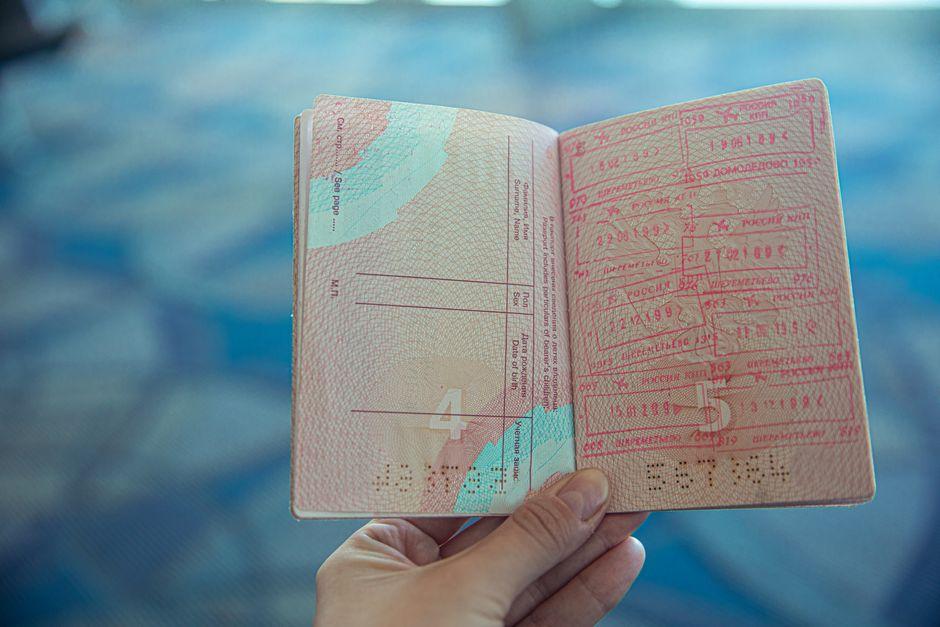
Unlocking Global Access with a Caribbean Gem Amid Complex Geopolitics
In an era marked by escalating geopolitical tensions, the Caribbean gem that is the Commonwealth of Dominica passport offers a refreshing counter-narrative to the prevailing passport powerhouses saturated by complex regional disputes and protectionist policies. Unlike more prominent passports, whose holders increasingly face stringent scrutiny or evasive restrictions tied to evolving diplomatic frictions, Dominica’s passport provides a strategic bypass. It grants access to over 140 countries, including crucial markets in the Schengen Area, the UK, and key Asian economies, without the typical baggage of geopolitical overexposure. However, it’s essential to recognize that this passport does not come without trade-offs; while it excels in versatility and speed of acquisition, it lacks the prestige or dual citizenship options associated with traditional Western passports, which may limit certain high-profile professional or diplomatic opportunities.
For global citizens and entrepreneurs seeking uncompromised travel freedom amid shifting alliances, Dominica’s passport is less a silver bullet and more a smart, pragmatic choice balancing accessibility with geopolitical neutrality. Rather than chasing the allure of headline-grabbing passports, consider these nuanced benefits:
- Strategic neutrality: Dominica maintains generally stable international relations, avoiding entanglements with dominant superpower rivalries.
- Cost-efficiency and expedience: Investment and processing times are markedly quicker and more affordable compared to European and North American CBI alternatives.
- Tax and residency flexibility: Holders benefit from no tax on worldwide income, a critical consideration for global mobility and asset protection.
| Feature | Dominica Passport | UK Passport | USA Passport |
|---|---|---|---|
| Visa-Free Countries | 140+ | 185+ | 185+ |
| Average Processing Time | 3-4 months | 6-12 months | 5-7 months |
| Tax on Global Income | None | Worldwide taxation applies | Worldwide taxation applies |
| Diplomatic Clout | Limited | High | High |
Ultimately, Dominica’s passport operates less as a status symbol and more as a functional tool for those prioritizing unobstructed mobility without the encumbrances of shifting geopolitical chessboards. For individuals and families willing to prioritize agility and prudent diversification over traditional influence, this Caribbean option is a compelling silent power move in 2024’s uncertain global landscape.

Beyond the Hype Around Popular Passports Choosing Dominica for Pragmatic Mobility
In a sea of passport options often dominated by flashier, high-profile choices promising endless visa-free access, Dominica’s passport emerges as a distinctly pragmatic alternative. Its appeal lies not in chasing the most extensive visa lists-which often come tied to exorbitant costs or stringent residency requirements-but in delivering consistent, cost-effective global mobility with minimal bureaucratic friction. Unlike passports from countries like Malta or Cyprus that require lengthy physical presence or opaque investment thresholds, Dominica offers a straightforward citizenship-by-investment program that’s transparent, relatively affordable, and fast. This positions Dominica as a shrewd choice for individuals prioritizing flexibility, speed, and straightforward compliance over the “prestige” or sheer volume of visa-free destinations.
The trade-offs are clear but manageable: while Dominica may not unlock every prime global business hub visa-free, it reliably grants access to 140+ countries, including the EU Schengen zone, the UK, and much of the Caribbean, offering an excellent blend of reach and ease. A nuanced grasp is necessary to appreciate that mobility is not merely about sticker counts but actual usability and cost-benefit balance in real-world scenarios such as travel for business, education, or emergency relocation. Crucially, Dominica’s passport bypasses the heavy-handed restrictions and exorbitant investment demands that often come with “popular” passports, presenting a high-value, low-friction gateway for savvy global citizens. For those seeking a practical balance of affordability, legitimacy, and functional freedom, Dominica’s offering is a clear standout, challenging the worn assumption that elite passports must be exotic, expensive, or complex to merit serious consideration.
| Passport | Visa-Free Countries | Investment Minimum (approx.) | Physical Residency Requirement |
|---|---|---|---|
| Dominica | 140+ | $100,000 (donation) | None |
| Malta | 187+ | €650,000 + property | 12 months + |
| Cyprus (suspended) | 170+ | €2 million property | 6 months |
The Unseen Costs and Trade-Offs of Investing in a Commonwealth Passport
While the Commonwealth of Dominica passport offers undeniable advantages, particularly in terms of visa-free travel and investment diversification, it’s critical to recognize the subtle but impactful trade-offs that accompany this choice. One often-overlooked factor is the perception and diplomatic clout associated with second-tier citizenships. Unlike passports from traditional powerhouses-such as those from the EU or North America-Dominica’s passport may still invite heightened scrutiny during visa applications in countries with stringent immigration policies. This means holders could face more frequent interviews or additional paperwork at borders, subtly undermining the seamless global mobility promised at first glance. The overlooked reality is that while Dominica excels in financial flexibility and ease of acquisition, it does not always translate to equal footing in diplomatic relationships, which can affect business travelers and expatriates differently depending on their destination.
Moreover, the financial and administrative costs are often underrepresented in headline discussions. Beyond the initial investment-commonly spotlighted in marketing materials-there are ongoing fees, legal due diligence, and potential tax implications that require careful navigation. The “cost” here is not only monetary but also strategic: investors must weigh the benefits of a faster, more affordable citizenship route against the potentially limited access to healthcare, education, and consular support compared to more established nations. This is not a one-size-fits-all solution. For example:
| Aspect | Dominica Passport | More Established Alternatives |
|---|---|---|
| Initial Investment | ~USD 100,000 (minimum) | Often >USD 200,000 |
| Visa-Free Travel | ~145 countries | 160+ countries |
| Consular Support | Limited | Robust |
| Ongoing Fees & Maintenance | Moderate | Varies, often lower |
| Global Perception | Emerging | Established |
Ultimately, discerning investors should not merely chase the allure of a quick second passport; they must consider these layered realities. The Commonwealth of Dominica passport suits those who prioritize cost-efficiency and regional Caribbean advantages but may not be the ideal passport for individuals heavily reliant on institutional support and global diplomatic parity. Strategic due diligence and an understanding of this nuanced landscape are essential to fully harness its potential as a true power move in 2024 and beyond.
Navigating Strategic Citizenship Decisions in an Era of Tightening Borders
In an era where geopolitical tensions fuel stringent immigration policies and countries fortify their borders, the calculus of strategic citizenship demands more than chasing the highest passport rankings. The Commonwealth of Dominica passport presents a fascinating case study in embracing a measured, pragmatic approach to mobility-one that favors quality over flashy quantity of visa-free access. While it doesn’t rival the top-tier passports offering unrestricted movement across North America or Asia, Dominica’s passport excels in providing seamless access to key regional hubs across the Caribbean, Europe, and Latin America, which are frequently overlooked yet critically important for emerging market investors and digital nomads alike.
Choosing Dominica citizenship is a calculated trade-off: it signals a pivot away from volatile superpower diplomacy and toward a diversified mobility portfolio. Instead of gambling on yet another highly contested citizenship-by-investment (CBI) program prone to political backlash and sudden visa restrictions, Dominica’s stable, transparent, and cost-effective framework reduces uncertainty. Here’s where strategic decision-makers should focus their lens:
- Stability over flashiness: Dominica’s citizenship isn’t about peaking at the highest visa-free count but sustaining reliable access within a fertile transatlantic corridor.
- Cost-efficiency vs exhaustive reach: It offers a rare sweet spot that balances accessibility with investment thresholds far below Caribbean rivals, without sacrificing diplomatic goodwill.
- Complementarity, not exclusivity: Dominica’s passport works best as part of a layered mobility strategy targeting regionalizations rather than global catch-alls.
| Consideration | Dominica Passport | Top-Tier Alternatives |
|---|---|---|
| Visa-Free Access Volume | ~145 countries | 180+ countries |
| Investment Threshold | $100,000+ USD | $1M+ USD |
| Program Stability | Low political risk | Varies, often volatile |
Ultimately, the tightrope walk between mobility maximization and border tightening necessitates a sober appreciation of what Dominica offers-not as a magic bullet for global citizenship, but as a strategic stepping stone within a dynamic, multipolar world. For those ready to curate geographical and economic flexibility without the collateral friction of escalating global border controls, the Dominica passport may well be the underrated advantage that cuts through the noise.
Weighing Dominica’s Passport Against Emerging Alternatives in Global Travel Freedom
In the current landscape of global mobility, Dominica’s passport often gets overshadowed by high-profile alternatives such as those offered by Malta, Portugal, or even Vanuatu. Yet, a discerning evaluation reveals that Dominica’s passport delivers a compelling balance of visa-free access, cost efficiency, and citizenship-by-investment simplicity that is not easily replicated. Unlike European alternatives that tend to come with higher investment thresholds and complex residency requirements, Dominica offers one of the most straightforward and affordable economic citizenship routes, making it a pragmatic choice for entrepreneurs, investors, and globally minded professionals. However, it’s critical to temper enthusiasm with the recognition that dominant passports from countries like Japan or Singapore still grant superior visa-free power, so Dominica best serves those prioritizing accessibility over absolute travel breadth.
When juxtaposed with emerging passports from newer Caribbean or Pacific economies, Dominica’s strength lies in a consistent diplomatic record and steady expansion of travel agreements, which makes it less prone to sudden geopolitical shifts that can often diminish the value of newer citizenship programs. A careful look at trade-offs yields a nuanced recommendation: Dominica is ideal for those seeking reliable, cost-effective access to Europe, Latin America, and Asia without the burdens of residency or excessively high fees. Conversely, if global mobility demands extend heavily into North America or Australia, the passport’s utility diminishes comparatively. Investors should also consider the scalability of their global mobility goals, as Dominica’s current visa-free rankings place it solidly in a middle tier-not the absolute pinnacle, but a significantly underrated and stable power move that aligns with diversified travel ambitions rather than exclusive top-tier mobility status.
| Feature | Dominica Passport | Malta Passport | Vanuatu Passport |
|---|---|---|---|
| Visa-Free Access (Key Markets) | Europe, Latin America, Asia | Europe, US, Canada (to some extent) | Asia, Pacific Islands |
| Investment Requirement | ~ $100,000 (EF) | ~ €600,000 + Residency | ~ $130,000 (EF) |
| Residency Requirement | None | Minimum 1 year | None |
| Renewal / Longevity | Strong Stability | Established EU Influence | Relatively New and Volatile |
Future Outlook
In a world where borders often define opportunity, the Commonwealth of Dominica passport quietly redefines freedom. Its understated yet strategic advantages offer a unique key to global mobility-unlocking access without the usual fanfare or formidable hurdles. As 2024 unfolds, this humble travel document stands as a subtle power move for those who value efficiency, flexibility, and a world of possibilities just within reach. Sometimes, the most influential choices aren’t the loudest-they’re simply the smartest.