
In an increasingly interconnected world, the concept of national identity is evolving beyond traditional boundaries. More people than ever are embracing the possibility of holding triple citizenship-a legal status that transcends borders and opens doors to diverse opportunities. But what exactly does it mean to be a citizen of three countries at once? How does one qualify for such a status, and what advantages come with it? This article delves into the intriguing world of triple citizenship, unpacking its complexities and shedding light on the benefits that make it an appealing choice for many in today’s global landscape.
Demystifying Triple Citizenship and What It Means in Today’s World
Triple citizenship refers to the legal status of an individual who holds citizenship in three different countries simultaneously. Unlike dual citizenship, which is more commonly understood, triple citizenship involves navigating the complexities of three separate legal systems, nationality laws, and sometimes divergent rights and responsibilities. This status can arise through various means such as birthright, naturalization, or descent, but it’s important to note that not all countries recognize multiple citizenships, and some explicitly prohibit holding more than one nationality. Understanding the specific legal frameworks is crucial, as some countries impose restrictions like mandatory military service, taxation obligations, or limitations on holding public office for those with multiple citizenships.
In today’s globalized world, triple citizenship offers distinct advantages but also presents challenges. Benefits often include enhanced travel freedom with access to multiple passports, greater employment opportunities across nations, and the ability to own property or inherit assets more flexibly. However, complications can arise from overlapping tax responsibilities or conflicting legal duties. Below is a concise comparison to clarify these aspects:
| Aspect | Benefit | Potential Challenge |
|---|---|---|
| Travel & Mobility | Access to diverse visa-free travel options | Possibility of dual or triple taxation on income |
| Legal Rights | Right to live, work, and vote in multiple countries | Conflicting laws, such as military service or political restrictions |
| Identity & Heritage | Preserving cultural and family ties across nations | Complex paperwork and renewal of multiple passports |
- Recommendation: Always consult with legal experts familiar with the nationality laws of each involved country before pursuing or claiming triple citizenship to fully understand your rights and obligations.
- Key Insight: Triple citizenship is less common and more complicated than dual citizenship but offers unique global advantages for those who manage its challenges wisely.
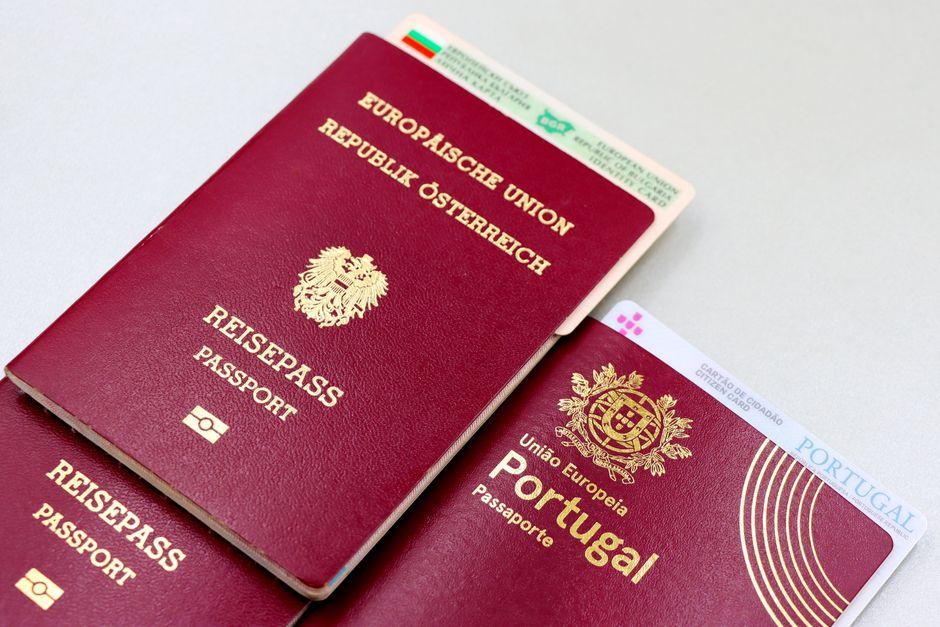
Qualifying for Multiple Nationalities Navigate the Legal Maze
Qualifying for multiple nationalities involves navigating a complex web of legal requirements that vary dramatically from country to country. Unlike single citizenship acquisition, which often follows a straightforward path through birth, naturalization, or descent, qualifying for triple citizenship demands a nuanced understanding of each nation’s laws on dual or multiple nationality. Some countries automatically recognize multiple citizenships without restrictions, while others impose specific conditions-such as requiring applicants to renounce previous citizenships or limiting the rights of dual nationals. For example, countries like Canada and the United Kingdom often permit multiple citizenships, whereas nations like Japan and Austria generally require individuals to choose one nationality by a certain age. It’s crucial to research and verify whether all three countries involved legally allow their citizens to hold additional nationalities simultaneously to avoid potential legal conflicts or loss of citizenship.
When exploring the legal landscape, consider these key aspects to better understand qualification processes and challenges:
- Citizenship by descent: Many countries grant citizenship if one or both parents are citizens, which can create avenues for multiple nationalities.
- Naturalization rules: Requirements such as residency periods, language proficiency, or cultural knowledge tests can differ widely and impact eligibility.
- Renunciation policies: Some nations require formal renunciation of other citizenships when acquiring theirs, complicating triple citizenship status.
- Military and tax obligations: Multiple citizenships may bring overlapping duties, which can influence the decision to pursue additional citizenships.
| Country | Multiple Citizenship Allowed? | Key Considerations |
|---|---|---|
| Canada | Yes | No renunciation needed; taxes apply on global income. |
| Germany | Limited | Usually requires renouncing previous citizenships; exceptions exist for EU nationals. |
| Philippines | Yes | Allows reacquisition of citizenship; dual citizens can hold multiple passports. |
Successfully qualifying for triple citizenship involves thorough legal planning and awareness of the potential pitfalls. Consulting immigration lawyers or specialized agencies can provide tailored strategies, helping individuals maximize benefits-such as expanded travel freedom, access to social services, and diversified business opportunities-while minimizing risks like conflicting legal obligations or unexpected revocations. Ultimately, understanding the specific legal frameworks and prerequisites of each country is the cornerstone to confidently navigating the multifaceted world of multiple nationality acquisition.
Advantages and Challenges of Holding Three Passports
Holding three passports offers a unique combination of opportunities and complexities. On the advantage side, triple citizenship can significantly enhance global mobility, allowing individuals to travel visa-free to a wider array of countries than single or dual citizens. It also provides diverse access to education, healthcare, and social benefits across multiple nations, which can be a game-changer for those with families or business interests spread internationally. Additionally, it opens doors for investment and property ownership in countries that restrict these rights to citizens only. For many, the ability to work and reside freely in three different countries dramatically increases economic and cultural flexibility.
However, managing triple citizenship is not without challenges. Navigating the legal implications can prove complex, especially where laws on dual or multiple nationality vary widely. Tax obligations may multiply, as some countries require citizens to declare global income regardless of residency, which can lead to overlapping tax responsibilities. There are also potential military service obligations or compulsory duties that differ across nations. Practically, issues such as renewing multiple passports, keeping track of varied visa requirements, and possible conflicts in diplomatic protection need careful consideration. To mitigate problems, it is advisable to consult with legal experts familiar with the nationality laws and tax treaties of the countries involved.
| Aspect | Advantages | Challenges |
|---|---|---|
| Travel Freedom | Visa-free access across more countries | Managing different entry/exit requirements |
| Legal Rights | Multiple residency, work, and investment options | Conflicting laws or obligations (e.g., military service) |
| Financial Implications | Access to different banking systems and economic benefits | Complex tax filing and compliance issues |
Comparing Triple Citizenship to Dual and Single Citizenship
Single, dual, and triple citizenship differ primarily in the number of countries in which an individual holds legal nationality, each offering distinct rights, responsibilities, and complexities. Single citizenship means allegiance to one country, simplifying legal matters such as tax obligations, military service, and passport use. Dual citizenship introduces benefits like expanded travel options, access to education or healthcare in two countries, and increased cultural ties, but it also adds layers of legal and tax responsibilities for both nations. Triple citizenship amplifies these advantages, allowing broader global mobility, multiple voting rights, and diversified work or residency opportunities. However, it concurrently increases the complexity of balancing conflicting laws, such as mandatory service requirements or dual tax treaties, which can be more challenging to navigate than with dual citizenship.
When weighing these options, consider key differences outlined below, which highlight why triple citizenship may not suit everyone despite its allure:
| Aspect | Single Citizenship | Dual Citizenship | Triple Citizenship |
|---|---|---|---|
| Legal Complexity | Minimal | Moderate – need to reconcile laws between two countries | High – navigating three legal systems simultaneously |
| Travel Freedom | Limited by one passport | Expanded due to access to two passports | Maximized with three passports |
| Taxation | Single country’s tax laws apply | Potential double taxation issues | Risk of complex multi-jurisdiction tax obligations |
| Civic Duties | One country’s requirements | May involve duties like voting or military service in both countries | Increased civic responsibilities across three nations |
- Recommendation: Triple citizenship benefits those with strong personal, professional, or financial ties across multiple countries but requires careful legal consultation to manage overlapping obligations.
- Problem Areas: Be aware of countries that restrict or do not recognize multiple citizenships, which can lead to loss of nationality or penalties.
- Key Benefit: Unlike dual or single citizenship, triple citizenship offers unparalleled access to global opportunities, making it especially valuable in our increasingly interconnected world.
Common Myths About Triple Citizenship and Practical Advice
One common myth about triple citizenship is that it automatically grants unlimited rights across all countries involved. In reality, the benefits and restrictions of holding three citizenships vary widely based on each country’s laws. For instance, some nations don’t recognize multiple citizenships at all, which may lead to complications such as mandatory military service or tax obligations in all three countries. Another frequent misconception is that possessing triple citizenship means seamless travel without visas. While visa-free access may increase overall, travelers must still navigate individual country agreements and immigration policies, which can differ significantly. It’s also important to remember that not all countries allow dual citizenship, let alone triple, so you’ll need to proactively research whether your chosen nationalities permit multiple citizenships concurrently.
For practical advice, maintaining triple citizenship demands careful management to avoid pitfalls like double taxation or conflicting legal responsibilities. Here are key points to consider:
- Check legal recognition: Verify that each country involved officially allows triple citizenship and under what conditions.
- Understand tax rules: Consult tax professionals to properly manage and comply with tax laws across jurisdictions.
- Be aware of military duties: Some countries may require national service regardless of other citizenships held.
- Manage passport renewals: Keep track of validity periods and application processes for each passport to avoid travel disruptions.
| Aspect | Reality | Common Myth |
|---|---|---|
| Legal Recognition | Depends on national laws; often restrictive | All countries allow triple citizenship without conditions |
| Taxation | May require filing taxes in each country | Triple citizens are exempt from multiple tax filings |
| Travel | Visa-free travel varies by nationality and destination | Triple citizenship guarantees visa-free worldwide access |
To Conclude
Navigating the complex world of triple citizenship opens doors to unique opportunities and a richer sense of identity. While the path to qualifying can be intricate, understanding the nuances empowers you to make informed decisions about your global ties. Ultimately, embracing multiple citizenships is more than a legal status-it’s a bridge connecting cultures, unlocking benefits, and expanding horizons. As the world grows increasingly interconnected, triple citizenship stands as a powerful tool for those ready to embrace the possibilities beyond borders.




