
In a world that feels both vast and intimately connected, the idea of citizenship has evolved beyond the borders drawn on maps. Choosing a second citizenship is no longer just a matter of legal paperwork-it is an inward journey, a complex tapestry woven with dreams, fears, and aspirations that often remain unseen. Beneath the surface of passports and visas lies a hidden reality: the emotional, cultural, and practical challenges that shape this transformative decision. This article explores the nuanced voyage of crossing borders within ourselves, unraveling the motivations and truths behind embracing a life between nations.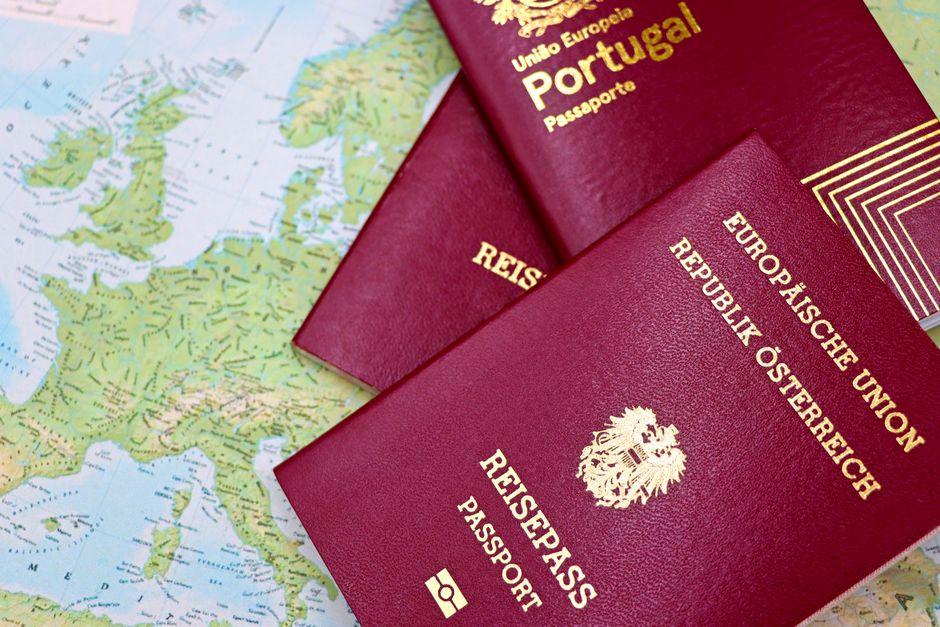
Paths Less Traveled Balancing Identity and Opportunity in a New Homeland
Consider Sara, who left behind a thriving career in marketing in her home country to pursue second citizenship in a European nation. Initially, she envisioned this new nationality as a fresh chapter, filled with opportunity and a broader sense of belonging. Yet, once settled, Sara found herself navigating an unexpected tension: while the new passport opened doors for global travel and business prospects, it also stirred questions about where her true identity now resided. Was she still the professional marketer defined by her roots, or was she becoming someone defined by her adaptable, hybrid identity? Moments like renewing her new passport or even casual family gatherings highlighted the quiet complexities of blending past and present selves-a delicate balancing act many face when crossing borders within themselves.
These stories are echoed by countless others who choose less conventional routes to second citizenship, often driven not just by economic benefits but by deeply personal aspirations and fears. For example, Ahmed’s decision to acquire a Caribbean passport was influenced by security concerns and providing his children with education opportunities abroad. However, the initial excitement soon met realities such as adapting to bureaucratic nuances and integrating into a community with different cultural norms. The journey is frequently punctuated by:
- Moments of assimilation discomfort, where language barriers or social customs feel alien despite legal acceptance.
- Unexpected identity shifts, as individuals weigh loyalty and attachment to their birthplace against practical advantages of the new nationality.
- Redefining success beyond the passport benefits, learning that opportunity may require patience and cultural humility rather than immediate transformation.
These “paths less traveled” reveal an intricate landscape where identity and opportunity intersect-not always seamlessly, but always profoundly transformative.
When Paperwork Becomes a Passage Navigating the Practical Complexities of Dual Citizenship
Emma always imagined that obtaining her second citizenship would be a straightforward process-a few forms here, some documents there, and finally an official stamp marking her new legal identity. Yet, as she dove into the paperwork, the reality quickly unfolded into a maze of timelines, document translations, and unexpected bureaucratic delays. For instance, her birth certificate needed legalization and then translation into the destination country’s official language, but even after doing so, the immigration office requested further apostille certification. What Emma learned through this process was that dual citizenship isn’t just a symbolic title; it’s an administrative odyssey. Every country has its own set of rules, deadlines, and requirements-which don’t always align with each other or with an applicant’s expectations.
Take the case of Carlos, who expected his paperwork to run parallel in two countries but instead found himself caught between conflicting demands from each government’s legal framework. His citizenship application process was delayed because documents valid for one country were rejected by the other as incomplete or outdated. Sometimes, even simple things like a change in the format of identification numbers or a new government policy would reset the clock. Below is a brief comparison of common bureaucratic hiccups applicants often face:
| Common Paperwork Challenge | Expectation | Typical Reality |
|---|---|---|
| Document Authentication | One-time certification accepted universally | Multiple certifications needed; apostille vs. consular legalization |
| Application Processing Time | Few months at most | 6-18 months with unpredictable pauses or re-submissions |
| Language Requirements | Simple translation of documents | Official translations done by government-approved translators only |
- Patience is a necessary companion: Having realistic expectations about delays can prevent frustration.
- Meticulous record-keeping helps: Tracking every document submission and correspondence is crucial when deadlines are tight.
- Seek expert advice early: Immigration consultants or legal experts can help prevent common pitfalls in paperwork.
Echoes of Home Finding Belonging Across Borders and Generations
When Maria decided to pursue citizenship in her grandmother’s homeland, she was chasing more than just a new passport; she was seeking a piece of herself that had been fragmented by decades of distance and silence. Her journey illuminated how crossing borders isn’t just a physical act-it’s an emotional navigation through memories, expectations, and sometimes unexpected reckonings. Maria recalled her first return visit as a citizen: the warmth of relatives who spoke with a proud nostalgia, the local market smells that seemed to echo her childhood stories, and yet, the subtle but constant reminder that she was both insider and outsider. It was a lesson in patience and humility. Finding belonging turned out to be less about instant acceptance and more about weaving herself into new and old threads of identity, often requiring an open heart as much as legal documentation.
Contrast this with Jamal’s experience, who sought second citizenship primarily for economic stability but found himself grappling with a deeper sense of displacement. Unlike Maria, his new country felt like a professional upgrade but a personal void. The promises of work opportunities often clashed with the isolation of starting anew-no familiar sights, no family dinners, just a distant connection to his roots through late-night video calls. His story reveals important lessons about the layered realities behind such decisions. To navigate this complex terrain, many find comfort in community hubs, cultural associations, and rituals that bridge generations and geographies. Below, a quick glimpse at the common emotional stages individuals experience when crossing these borders within:
| Stage | Common Feelings | Typical Actions |
|---|---|---|
| Anticipation | Hope, excitement, idealism | Research, paperwork, reaching out to family |
| Adjustment | Uncertainty, culture shock, longing | Building connections, learning language/customs |
| Integration | Belonging, acceptance, identity blending | Active community participation, hybrid traditions |
- Key takeaway: Second citizenship often doesn’t mean replacing one identity with another, but embracing a layered, evolving sense of self.
- Practical advice: Engage with local communities and family histories to build a genuine connection to your second home.
The Quiet Transformations Shaping Life After Choosing a Second Nationality
When Sofia decided to acquire her second nationality, she imagined a seamless blend of identity and opportunity-fluent in both languages, with passports that would flutter open borders at her will. Yet, the quiet transformations that unfolded were less about grand gestures and more about subtle shifts in her daily rhythm. Mornings now began with a double-check of which ID to carry, the occasional hesitation when asked, “Where are you from?” – a question loaded with unspoken complexities. These moments revealed an evolving sense of self, a layered identity that demanded patience and self-reflection. Sofia found herself navigating distinct social norms and unspoken cultural codes that sometimes clashed or blended unexpectedly, teaching her that embracing a second nationality is a gradual process of cultural osmosis rather than instant belonging.
Consider Jamal, who took a leap to secure a second citizenship for better career prospects. The promise of expanded networks and economic stability wasn’t wrong, but the reality soon showed a different shade. He encountered moments where his new citizenship brought bureaucratic advantages but didn’t erase underlying biases or feelings of being an outsider. The real transformation was in his adaptability – learning to bridge contrasting expectations and finding value in dual perspectives, even when neither fully felt like ‘home.’ These experiences underscore essential lessons:
- Identity is layered: Citizenship grants legal status, but emotional and cultural acceptance evolve over time.
- Expectations vs. reality: New opportunities come with unseen adjustments in daily life and social dynamics.
- Flexibility matters: Embracing dual citizenship requires openness to intermittent discomfort and growth.
| Aspect | Expectation | Reality |
|---|---|---|
| Sense of Belonging | Instant integration into new culture | Slow cultural adaptation with moments of ambiguity |
| Legal Benefits | Simplified travel and work options | Practical advantages mixed with complex emotional navigation |
| Social Identity | Clear-cut dual identity | Blended and sometimes conflicting self-perception |
Lessons in Belonging Stories of Resilience and Reinvention Beyond the Passport
When Amina first received her second passport, she imagined the doors it could open-seamless travel, new business ventures, a fresh start. Yet, the real journey began not at the airport, but in her living room, grappling with the unexpected emotions of uprooting. Her story is one among many where citizenship is less about stamps in a book and more about finding place and purpose amid change. For Amina, the biggest lesson wasn’t the freedom the new passport offered but the resilience required to bridge different identities. She navigated cultural nuances in a foreign city while preserving the ties to her roots, learning to embrace the discomfort of belonging everywhere and nowhere simultaneously. Contrasting sharply with her initial expectation, she realized belonging transcends legal status-it’s about connection, community, and evolving self-understanding.
Consider Carlos, who acquired a second citizenship for his family primarily for security and future prospects. His initial relief gave way to complex challenges: schooling his children in unfamiliar systems, balancing career shifts, and even confronting subtle biases he hadn’t anticipated. In his case, reinvention didn’t come automatically with the new nationality; it called for deliberate choices, patience, and often, starting from zero. These stories reflect a broader reality shared by many:
- Resilience: Adapting the known to the new without losing identity.
- Reinvention: Moving beyond bureaucratic status to rebuild family, career, and social networks.
- Belonging: Finding or creating community anchors in multiple cultural landscapes.
| Expectation | Reality |
|---|---|
| Instant access to global opportunities | Gradual, often challenging adaptation to new environments |
| Social acceptance and seamless integration | Nuanced social dynamics requiring active community-building |
| Clear-cut identity with two citizenships | Dynamic, evolving identity balancing heritage with new affiliations |
The Conclusion
In the quiet spaces between passports and paperwork lies a journey seldom told-a crossing not of lands, but of identities, choices, and freedoms. Choosing a second citizenship is more than a legal transaction; it is an intimate negotiation with one’s sense of belonging, opportunity, and self. As borders blur and global ties deepen, this hidden voyage reveals the complexities behind what it truly means to call more than one place “home.” In embracing a second citizenship, we step into new narratives, challenging the boundaries within ourselves as much as those between nations.




