In an increasingly interconnected world, the concept of belonging to more than one nation is no longer just a curiosity-it’s a reality for millions. Dual citizenship, a status that allows an individual to be recognized as a citizen by two countries simultaneously, opens doors to a unique blend of opportunities and complexities. But what exactly does it mean to hold two passports? Beyond the immediate allure of expanded travel freedoms and cultural ties lie a series of benefits and challenges that shape the modern experience of identity, legal rights, and responsibilities. This article delves into the fascinating world of dual citizenship, unpacking how it works, who can qualify, and what it takes to navigate its multifaceted landscape.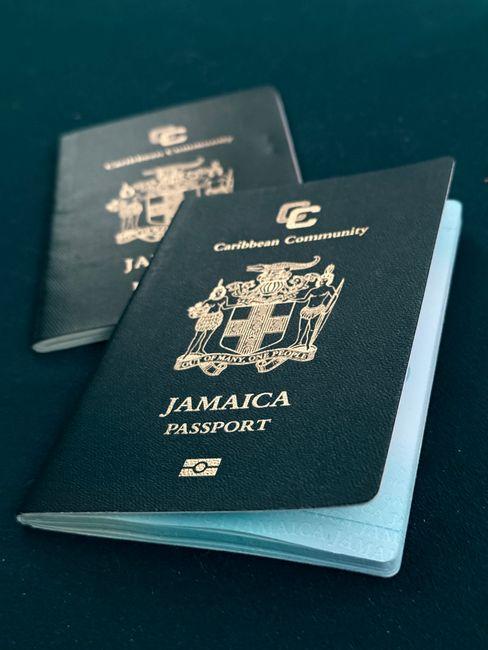
Understanding Dual Citizenship and How It Affects Your Legal Status
Dual citizenship, also known as dual nationality, means that an individual is legally recognized as a citizen by two different countries at the same time. This status allows a person to hold passports from both nations, enjoy the rights and privileges of each, and, in many cases, participate in civic duties such as voting. However, understanding how dual citizenship affects your legal status requires clarity on several key areas. For example, taxation is a critical concern; some dual citizens must file tax returns and potentially pay taxes in both countries, depending on tax treaties and domestic laws. Additionally, legal obligations like military service or jury duty can vary widely, with some countries enforcing strict compliance regardless of dual status. Navigating these complexities requires awareness of each country’s specific rules on nationality, citizenship loss, and documentation requirements.
Common legal considerations for dual citizens include:
- Travel freedom: Access to more countries without visas and the ability to reside, work, or study in either nation.
- Legal protections: Dual citizens are subject to the laws of both countries and may receive consular support from either government depending on location and circumstances.
- Potential legal conflicts: Some countries may not recognize dual citizenship, leading to complications such as denied entry or conflicting obligations.
- Renouncing citizenship: In cases where dual citizenship is not permitted, individuals may face the difficult choice of renouncing one nationality.
| Aspect | Impact on Legal Status |
|---|---|
| Taxation | May require filing taxes and reporting earnings in both countries; treaty provisions can mitigate double taxation. |
| Military Service | Obligations can differ significantly, with some countries requiring service regardless of dual status. |
| Legal Rights | Dual citizens enjoy full rights in both nations but must adhere to local laws and regulations. |
| Consular Support | Access to assistance from either country’s embassies and consulates when abroad. |

The Advantages and Practical Perks of Holding Two Passports
Holding two passports offers a range of practical advantages that go beyond simply having different nationalities on paper. One of the most immediate perks is enhanced global mobility: dual citizens typically enjoy visa-free or visa-on-arrival access to a larger number of countries, which simplifies travel for tourism, business, and family visits. This benefit can significantly reduce the hassle and expense associated with visa applications and border controls. Additionally, dual citizenship often grants access to social services and benefits in both countries, such as healthcare, education, and pension programs, providing a safety net not available to single-citizenship holders.
Beyond travel and social benefits, holding two passports can also offer strategic advantages for employment and investment opportunities. Dual citizens can work, live, or start businesses more easily in either country without the need for work permits or lengthy immigration processes. Here’s a quick comparison of some key advantages:
| Perk | Benefit |
|---|---|
| Travel Flexibility | Access to multiple passports enables easier entry to countries with differing visa policies. |
| Employment Rights | Right to work without special permits in two countries. |
| Property Ownership | Ability to buy and own property under domestic laws in both nations. |
| Family Security | Rights and protections for children and spouses under dual nationality frameworks. |
Common Hurdles and Misconceptions About Dual Citizenship
- Myth: Dual Citizenship Always Means Double Taxes
Many believe dual citizenship automatically subjects individuals to double taxation. However, most countries have tax treaties or agreements that prevent this, ensuring citizens don’t pay tax twice on the same income. It’s essential to understand your home country’s tax laws and any existing treaties with your second country of citizenship to navigate tax obligations properly. - Myth: You Must Renounce Previous Citizenship
Contrary to popular belief, many countries allow dual citizenship without requiring renunciation of prior nationality. While some nations enforce strict policies, most recognize and permit dual nationality, enabling benefits like unrestricted travel and access to social services. Always verify specific country regulations before assuming renunciation is mandatory.
| Common Challenge | Explanation |
|---|---|
| Complex Legal Requirements | Understanding paperwork, eligibility criteria, and residency obligations can be time-consuming and confusing. |
| Military Service Duties | Some countries require mandatory military service for citizens, a factor dual citizens must consider. |
| Travel Limitations | Certain countries restrict entry based on citizenship or may require specific visas, even for dual nationals. |
Choosing Dual Citizenship Wisely: Factors to Consider Before Applying
- Legal Requirements and Eligibility: Before applying for dual citizenship, thoroughly review the laws of both countries involved. Some nations allow dual citizenship easily, while others impose strict regulations or outright prohibitions. Understanding residency prerequisites, language proficiency tests, or heritage claims can save significant time and effort. Additionally, certain countries require applicants to renounce their previous citizenship, which negates the core advantage of holding dual nationality.
- Tax Implications and Financial Obligations: Dual citizens often face complex tax responsibilities, potentially needing to file tax returns in both countries. Researching tax treaties and double taxation agreements is essential to avoid legal penalties or unexpected liabilities. Moreover, access to social services like healthcare or pensions might differ between countries, affecting your financial planning and retirement choices.
| Factor | Key Considerations | Impact |
|---|---|---|
| Travel Flexibility | Visa-free access, consular support, and international mobility | Enhanced ease and security in global travel |
| Military Service | Obligations or exemptions in either country | Potential mandatory service or legal complications |
| Political Rights | Voting rights and eligibility for public office | Greater participation in both countries’ civic life |
How Different Countries Handle Dual Citizenship Around the World
Dual citizenship policies vary widely across countries, shaped by history, legal systems, and political considerations. While some nations embrace dual citizenship as a way to strengthen global ties and economic opportunities, others adopt restrictive stances to prevent divided loyalties or complications in legal jurisdiction. For instance, the United States and Canada both permit dual citizenship, allowing citizens to hold multiple passports and enjoy benefits such as easier international travel, work rights, and access to social services in more than one country. Conversely, countries like Japan and Singapore generally require individuals to renounce other citizenships upon naturalization, aiming to maintain undivided national allegiance and simplify administrative processes.
When navigating dual citizenship, it’s essential to understand specific national rules regarding retention, loss, and acquisition of citizenship. Here’s a quick comparison of common approaches:
| Country | Dual Citizenship Allowed? | Key Notes |
|---|---|---|
| United States | Yes | Permits dual citizenship; must obey both countries’ laws. |
| Germany | Limited | Generally no dual citizenship except for EU citizens or hardship cases. |
| India | No | Does not allow dual citizenship; offers Overseas Citizenship of India (OCI) status with limited rights. |
| Australia | Yes | Allows dual citizenship; requires full disclosure during citizenship application. |
| China | No | Prohibits dual citizenship; acquiring another citizenship leads to loss of Chinese nationality. |
- Benefits vary: Access to social services, work and live flexibility, property ownership rights, and cultural connections.
- Common challenges: Tax obligations in multiple countries, mandatory military service conflicts, and potential diplomatic complications.
- Recommendations: Thoroughly research the citizenship laws of both countries beforehand, consult legal experts if needed, and consider implications for taxes, military service, and political rights.
The Conclusion
In the intricate tapestry of modern identity, dual citizenship weaves a thread that connects borders, cultures, and opportunities in unique ways. As we’ve explored, its benefits range from expanded mobility and economic prospects to deeper personal ties across nations. Yet, these advantages come hand-in-hand with challenges, legal nuances, and responsibilities that require careful consideration. Ultimately, understanding how dual citizenship works empowers individuals to navigate a globalized world with greater clarity and confidence-embracing not just the privileges, but also the complexities, of belonging to more than one homeland.