In a world where passports have become more than mere travel documents, the quest for new citizenships tells a story far richer than bureaucratic red tape. “Crossing Borders: The Real Journeys Behind Citizenship by Investment Choices” delves into the intricate paths individuals navigate as they reshape their identities through economic means. Beyond numbers and policies lie personal ambitions, complex motivations, and transformative life chapters-each choice a bridge between cultures, opportunities, and new beginnings. This exploration uncovers the human experiences behind the transactions, revealing how crossing borders is as much about crossing thresholds of possibility as it is about geography.
Navigating Complex Motivations Behind Citizenship Investment Decisions
When Arjun, a successful tech entrepreneur from India, first explored citizenship by investment, his motivation stemmed from a desire for business flexibility-he wanted easier access to global markets and smoother international travel. Yet, his journey revealed layers beyond economic benefit. The decision was complicated by concerns about political stability, quality of life for his family, and even the educational opportunities available to his children. In many cases like Arjun’s, investors grapple with weighing short-term conveniences against long-term lifestyle implications. For example, while a Caribbean citizenship might offer visa-free travel to over 140 countries, the infrastructure and healthcare systems there may not meet the expectations of those used to more developed urban environments. This balancing act can redefine the perceived value of citizenship investments, turning what initially feels transactional into a deeply personal crossroads.
Consider also Helena’s case, a European professional who sought citizenship in a second country to hedge against geopolitical uncertainties and potential economic downturns in her homeland. Initially expecting a swift, bureaucratic process, she encountered unexpected delays and a thorough vetting system that challenged her assumptions about the investment angle and timeline. Her experience underscores a critical lesson: the path to new citizenship is rarely straightforward, and patience, due diligence, and realistic expectations are paramount. Key decision points often include:
- Choosing between ease of processing versus the suitability of the destination’s social and political climate.
- Evaluating the stability and reputation of the citizenship program itself.
- Understanding the hidden costs-legal fees, residency requirements, and ongoing obligations that extend beyond the initial investment.
| Expectation | Reality | Lesson Learned |
|---|---|---|
| Quick citizenship approval | Extended vetting and unforeseen delays | Build contingencies and verify timelines upfront |
| Investment as a purely financial transaction | Emotional and lifestyle factors emerge | Explore holistic impact on family and personal identity |
| Seamless global mobility | Varied visa arrangements and travel restrictions | Research passport strength relative to travel needs |
Confronting Legal and Emotional Challenges on the Path to New Nationality
When Maria decided to pursue citizenship by investment, she envisioned a seamless upgrade to a new lifestyle-flexible travel, promising business opportunities, and a fresh start. Yet, the legal maze that awaited was dense and intimidating. Her initial excitement soon gave way to the reality of navigating complicated visa requirements, strict due diligence processes, and fluctuating regulations. At one point, an unexpected change in government policy paused her application for months, forcing her to wrestle with uncertainty and a growing sense of vulnerability. This pause wasn’t just a bureaucratic delay; it tested her faith in the process and made her confront the emotional weight of relinquishing her first nationality’s familiar comfort without a guarantee of acceptance in her new homeland. Maria’s experience underscored a critical lesson: thorough legal counseling before and throughout the process is indispensable, and even then, flexibility and resilience are vital.
Contrast Maria’s story with that of David, who initially underestimated the emotional disconnect that can come from pursuing a new nationality through investment. David thought of citizenship as a transactional gain-proof on paper rather than a deeply rooted identity. However, after finalizing his new citizenship, he found that many social and cultural ties still felt distant. His new passport didn’t automatically endow him with a sense of belonging or community. The contrasts between expectation and reality here highlight an often-overlooked dimension: citizenship by investment frequently demands not just legal navigation but emotional adaptation. To illustrate this, consider the decision points faced by applicants:
- Legal clarity: Evaluating the stability of the target country’s policies before committing.
- Community integration: Planning for social and cultural immersion beyond paperwork.
- Risk tolerance: Balancing potential setbacks against long-term gains.
| Challenge | Expectation | Reality | Lesson Learned |
|---|---|---|---|
| Legal Delays | Fast and straightforward approval | Months-long pause due to policy shifts | Maintain patience and keep legal support active |
| Emotional Adjustment | Instant sense of belonging | Feeling of cultural disconnect persists | Invest in community relationships and cultural learning |
Pivotal Moments That Redefine Aspirations and Allegiances
For many individuals, the decision to pursue citizenship by investment isn’t merely a financial transaction; it’s a profound moment that reshapes personal and professional priorities. Consider Sara, a tech entrepreneur from Brazil who initially sought a European passport purely for market access. At the crossroads of her application, her perspective shifted as she encountered a local community thriving on innovation and environmental initiatives. That encounter recalibrated her aspirations-from seeking solely economic advancement to embracing a new lifestyle centered on sustainability and social responsibility. Her journey reveals a powerful dynamic: citizenship choices often catalyze unexpected introspection about identity, values, and legacy beyond the immediate benefits of mobility or tax efficiency.
Contrast this with Michael, a retired banker from Canada who initially envisioned a seamless transition to a tax-friendly Mediterranean nation. His experience highlighted how citizenship investment can surface hard realities, such as cultural dissonance and complex bureaucracies that challenge the “easy exit” notion. His early expectations of freedom and simplicity met the friction of local regulations and community integration challenges – lessons that transformed his allegiance not simply into a convenience but a deliberate, nuanced commitment. Both stories underscore key takeaways for prospective applicants:
- The decision to apply is as much emotional as financial; understanding local culture and long-term personal fit is crucial.
- Initial motivations can evolve significantly; openness to change shapes a more rewarding outcome.
- Legal and social integration challenges require patience; due diligence goes beyond paperwork.
| Aspect | Sara | Michael |
|---|---|---|
| Initial Motivation | Market access and business growth | Tax benefits and lifestyle change |
| Turning Point | Engagement with local environmental projects | Encountering local bureaucracy and cultural gaps |
| Outcome | Adopted new personal values and community ties | Developed a pragmatic, cautious approach to integration |
Insights Gained From Diverse Tales of Cross-Border Transitions
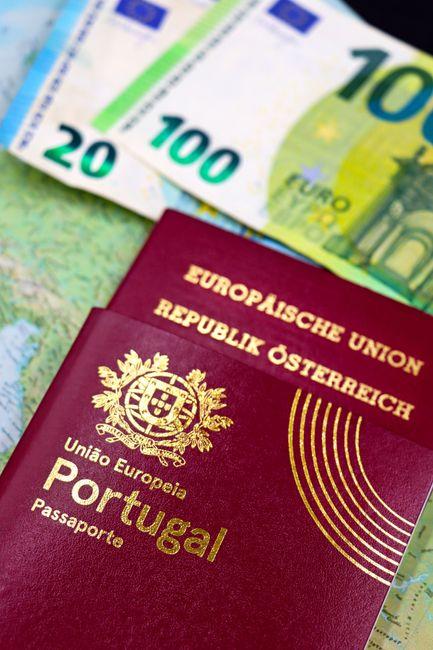
- Maria’s strategic move from Brazil to Portugal illustrates the nuanced balance between opportunity and reality. Initially attracted by Portugal’s Golden Visa program and its promise of EU mobility, Maria envisioned seamless integration and a flourishing lifestyle. However, her journey revealed unexpected challenges, such as navigating complex residency requirements and acclimating to language barriers in professional settings. This experience underscored the importance of thorough due diligence-not only into legal frameworks but also into cultural and logistical nuances-which many first-time applicants underestimate.
- Conversely, David from South Africa found his citizenship by investment in the Caribbean to be a pragmatic choice for protecting assets and securing global access, especially amid political instability at home. Yet, the anticipated tax benefits and visa-free travel perks often came with stipulations and a more limited global reach than the glossy brochures suggested. His story highlights an often-overlooked lesson: weigh immediate benefits against long-term implications in personal and financial contexts, ensuring that expectations align closely with actual post-transition realities.
| Key Consideration | Maria’s Experience (Portugal) | David’s Experience (Caribbean) |
|---|---|---|
| Residency Requirements | Lengthy and complex; required physical presence | Minimal residency; mostly paper-based |
| Cultural Integration | Challenging; language and customs needed adjustment | Limited integration expected; transactional nature |
| Long-Term Financial Impact | Potential EU market access and credit advantages | Asset protection, but with some tax limitations |
Comparing Outcomes and Realities Beyond the Passport Acquisition
When Maria and Yusuf each chose citizenship by investment programs, their journeys seemed straightforward at first: a clean transaction, a new passport, a fresh start. Yet, their lived experiences quickly illustrated how outcomes can diverge significantly beyond the acquisition itself. Maria opted for a Caribbean program aimed at expediting visa-free travel, anticipating seamless access across Europe and the Americas. However, she soon encountered unexpected practical hurdles-local residency requirements clashed with her profession’s mobility demands, restricting her work opportunities abroad despite the passport’s travel benefits. Meanwhile, Yusuf selected a European program promising not just travel but solid economic footholds and access to healthcare systems. Despite the higher initial investment, Yusuf gained permanent residency rights that allowed for longer stays, local job access, and educational opportunities for his children-outcomes far richer than the mere document in his hand.
- Expectation vs. Reality: Maria expected effortless mobility but found attached conditions that limited utility, highlighting how some citizenships are more travel-centric than lifestyle-enabling.
- Long-Term Integration: Yusuf’s choice underscores the benefits of programs with stringent but rewarding residency rules that promote integration over transactional gains.
| Aspect | Maria’s Caribbean Passport | Yusuf’s European Passport |
|---|---|---|
| Travel Freedom | High, but short-term visa and residency limitations | Moderate, with long-term residency benefits |
| Work and Education Access | Restricted outside of citizenship country | Full access within EU member states |
| Residency Requirements | Minimal, often no physical stay required | Minimum stay required but leads to broader rights |
These contrasting experiences remind us that citizenship by investment isn’t solely about acquiring a travel document; it’s about aligning the investment with a family’s long-term ambitions and lifestyle realities. Decisions made solely on immediate passport perks may overlook factors like healthcare access, social integration, or education, which eventually shape the true value of a “new citizenship.” The lesson? Deep due diligence and personal reflection on what life after citizenship truly means are just as crucial as the application process. In the intricate balance of cost, convenience, and community, the hidden layers of reality often emerge only after the ink has dried on the passport.
Closing Remarks
In the intricate dance of identity and opportunity, citizenship by investment reveals more than just a transactional exchange-it uncovers the deeply personal journeys that shape our global landscape. As borders blur and new horizons beckon, these stories remind us that behind every choice lies a quest for security, freedom, and belonging. Crossing borders is never just about geography; it is about the human pursuit of possibility, a testament to the ways we redefine home in an ever-changing world.