
In a world increasingly defined by movement and change, the journey of immigration stands as one of the most transformative experiences a person can undertake. Whether driven by dreams of opportunity, the search for safety, or the hope of reunification, stepping into a new country is both an adventure and a challenge. Navigating New Paths: A Guide to the Immigration Process offers a clear and thoughtful compass for those embarking on this complex voyage. From understanding legal requirements to adapting culturally, this guide aims to illuminate the steps ahead, helping newcomers find their footing in unfamiliar terrain with confidence and clarity.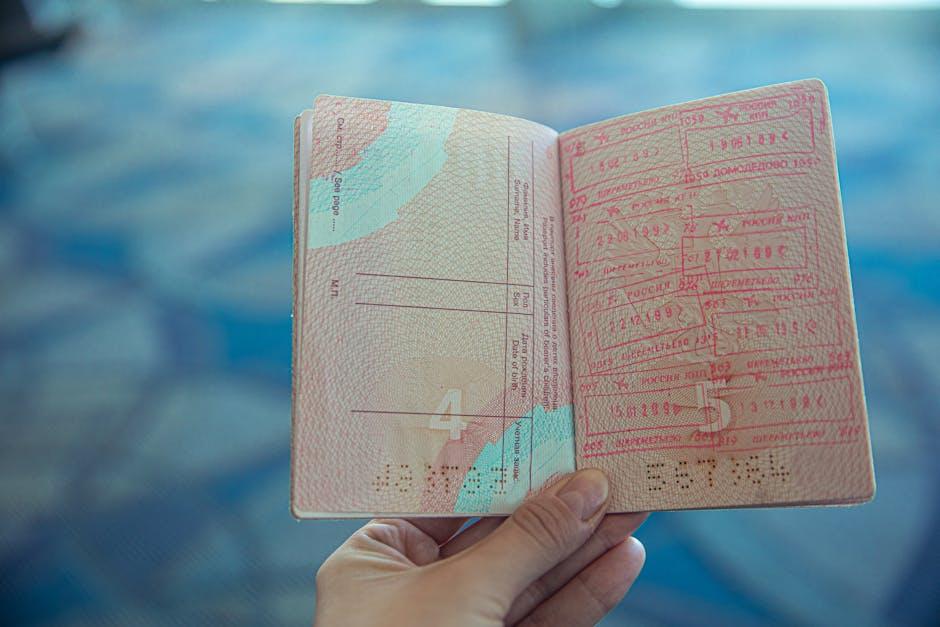
Understanding Eligibility and Choosing the Right Visa Category
Before embarking on your immigration journey, it’s crucial to assess whether you meet the specific criteria set by different visa programs. These conditions can range from educational qualifications and professional experience to language proficiency and financial stability. Understanding these requirements prevents wasted effort on applications that may not align with your profile. Carefully reviewing eligibility not only sharpens your focus but also enhances your chances of a seamless approval process.
When selecting a visa category, consider your long-term goals and how each option complements them. Common visa types include:
- Work Visas: Ideal for those with job offers or specialized skills.
- Student Visas: Best for individuals aiming to pursue education abroad.
- Family Sponsorship: Suitable for reunification with relatives already residing in the destination country.
- Investor Visas: Designed for applicants who can contribute economically through investments or business ownership.
Choosing the right path may feel complex, but mapping out your professional and personal objectives against these categories will guide you toward the most appropriate application. Below is a brief comparison to help visualize key differences:
| Visa Type | Main Requirement | Typical Duration | Path to Residency |
|---|---|---|---|
| Work Visa | Job Offer | 1-3 Years | Possible |
| Student Visa | Enrollment in Institution | Duration of Study | Varies |
| Family Sponsorship | Relative Sponsorship | Indeterminate | Strong |
| Investor Visa | Capital Investment | 2-5 Years | Common |
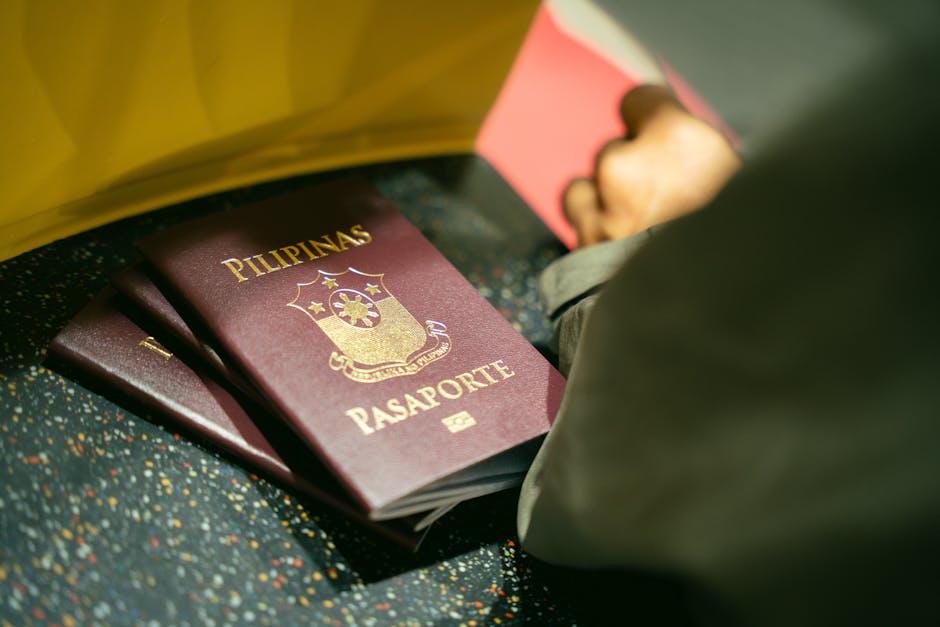
Preparing Essential Documentation with Precision
Precise documentation is the foundation of a smooth immigration journey. Every form, certificate, and letter submitted should reflect accuracy and authenticity, leaving no room for ambiguity. Attention to detail when preparing essential paperwork not only accelerates processing times but also reduces the risk of costly delays or rejections. Ensure that all personal information, dates, and signatures are consistently verified across every document to maintain harmony and compliance with immigration authorities.
Organizing your documents systematically helps in quick retrieval and double-checking prior to submission. Consider categorizing items into easily identifiable groups:
- Identity Verification: Passports, birth certificates, national IDs
- Proof of Status and Residency: Visas, residency permits, previous approvals
- Supportive Evidence: Employment letters, financial statements, educational qualifications
| Document Type | Recommended Format | Submission Tips |
|---|---|---|
| Passport | Original and clear photocopies | Ensure valid expiration date exceeds six months |
| Financial Statements | Recent bank statements or audited reports | Highlight consistent income or sufficient funds |
| Employment Verification | Official letter with company letterhead | Include job title, duration, and salary details |
Mastering the Application Process Step by Step
Understanding each phase of the immigration application is crucial for a smooth journey. Begin by gathering all necessary documents early—from identification papers to proof of residence and financial statements. Staying organized from the start reduces stress and expedites the process. Next, make sure to fill out every form with accuracy and honesty; incomplete or incorrect data can lead to delays or even application rejection. Remember, deadlines matter, so mark critical submission dates on your calendar and allow extra time for unforeseen issues.
Keep track of your application’s progress using checklists or digital tools. Here’s a simple guide to help visualize key stages:
| Stage | Duration | Required Action |
|---|---|---|
| Document Collection | 2-4 weeks | Gather evidence and verify authenticity |
| Form Submission | 1 week | Complete and submit applications online or by mail |
| Interview & Follow-up | Varies | Prepare for interviews and respond promptly to requests |
- Double-check details before submission to avoid mistakes.
- Keep copies of all communication and documents.
- Stay informed about changing immigration laws and policies.
Navigating Interviews and Biometric Procedures Confidently
Walking into an immigration interview or biometric appointment can feel daunting, but preparation is your strongest ally. Knowing exactly what to expect eases anxiety and demonstrates your respect for the process. Interviews typically focus on verifying your identity and the details of your application, so approaching with honesty and clarity is crucial. Remember to bring all required documents neatly organized and readily accessible. Calmly answering questions with confidence allows the examiner to navigate your case smoothly, helping you to leave a positive impression.
Biometric procedures are straightforward yet essential steps, capturing your unique identifiers for security purposes. These sessions are generally quick but require your full cooperation. Here’s a quick checklist to keep handy:
- Arrive Early: Allow extra time for security checks and paperwork.
- Dress Appropriately: Wear simple clothing that allows easy access to your fingers for fingerprinting.
- Stay Relaxed: The officers are trained to assist you through these routine steps.
- Bring ID and Appointment Details: Essential for seamless processing.
| Step | Purpose | Tips |
|---|---|---|
| Interview | Verify application details | Prepare documents & answer honestly |
| Fingerprinting | Capture biometric data | Remove rings & keep fingers clean |
| Photograph | Confirm identity visually | Maintain a neutral expression |
Settling In and Accessing Support Services After Arrival
Once you’ve crossed the threshold into your new country, the real journey begins. Establishing a comfortable base is crucial—not just a place to call home, but a hub where all necessary resources converge. Start by registering with local authorities and securing essential services like healthcare and banking. These initial steps lay a foundation that supports your everyday life and opens channels for assistance when needed. Don’t hesitate to connect with community centers or immigrant support organizations—they often provide invaluable orientation sessions, language classes, and social activities designed to ease your transition and expand your local network.
Accessing support services is best approached with a sense of curiosity and proactive engagement. Many newcomers benefit from targeted programs aimed at employment, education, and legal advice. Consider creating a personalized roadmap that highlights the resources tailored to your specific needs. Below is a breakdown of typical support categories and examples of services available to immigrant communities:
| Support Category | Services Offered | Contact Points |
|---|---|---|
| Healthcare | Medical check-ups, vaccination programs, mental health counseling | Local clinics, community health networks |
| Education | Language courses, vocational training, school enrollment assistance | Adult education centers, public libraries |
| Legal Assistance | Visa support, rights counseling, document translation | Legal aid offices, immigrant advocacy groups |
| Employment | Job placement, skills workshops, resume building | Career centers, nonprofit organizations |
Final Thoughts
As you close this guide and step back into the unfolding journey ahead, remember that navigating the immigration process is not just about forms and procedures—it’s about embracing change, resilience, and hope. Each step may bring challenges, but with knowledge as your compass and patience as your companion, new paths will gradually become familiar roads. Whatever your destination, may this guide serve as a steady light, illuminating the way toward new beginnings and opportunities yet to be discovered.




