
In an increasingly interconnected world, the concept of identity is evolving beyond borders and passports. The rise of multiple citizenships is reshaping how people navigate their personal and professional lives, offering new opportunities and raising complex questions about belonging, loyalty, and legal rights. As more individuals embrace this multifaceted identity, understanding the implications and challenges of holding citizenship in more than one country becomes essential. This article explores the phenomenon of multiple citizenships, tracing its growth and examining what it means for the global citizen of today.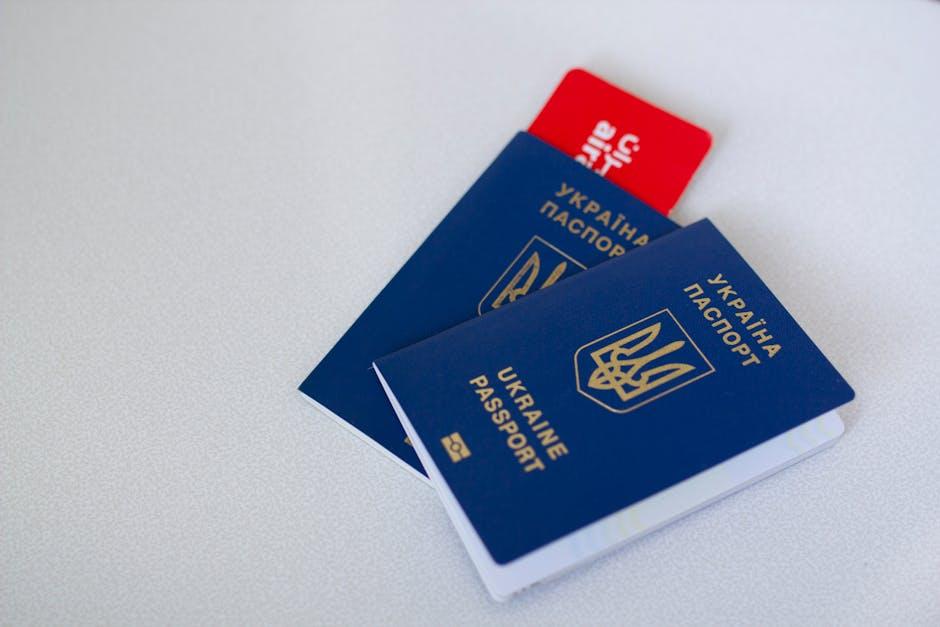
Understanding the Appeal of Multiple Citizenships in a Globalized Era
In today’s interconnected world, an increasing number of individuals are choosing to hold multiple citizenships as a strategic way to enhance personal freedom and global mobility. This trend reflects a profound shift where passports are not just travel documents, but gateways to opportunities across borders. People seek more than just access to new countries; they value diverse cultural connections, robust economic opportunities, and personal security that multiple citizenships can provide. Whether it’s for better healthcare, education, or business prospects, the appeal is undeniable.
Key advantages of holding multiple citizenships include:
- Expanded global travel without visa restrictions
- Access to multiple social and economic systems
- Flexibility to live, work, or retire in different countries
- Increased political and personal security
- Opportunities for tax optimization and wealth management
| Citizenship Benefit | Practical Impact | Popularity Among |
|---|---|---|
| Visa-Free Travel | Easy access to 180+ countries | Frequent Travelers, Businesspeople |
| Dual Voting Rights | Influence in multiple political systems | Global Entrepreneurs, Activists |
| Healthcare Access | Availability of premium medical services | Families, Retirees |
| Economic Flexibility | Diverse investment and banking options | Investors, Expats |

Legal Complexities and Opportunities in Dual and Multiple Nationalities
Embracing multiple citizenships opens doors but also ushers in a labyrinth of legal considerations that require meticulous navigation. Many who obtain dual or multiple nationalities encounter conflicting laws surrounding taxation, military service, and legal jurisdiction. The complexity escalates when countries do not recognize dual citizenship or when obligations like tax filings overlap, risking inadvertent non-compliance. Understanding bilateral treaties and each nation’s stance on citizenship rights is crucial to avoid pitfalls such as double taxation or unexpected legal constraints.
Yet, within these challenges lie unique opportunities that savvy global citizens can harness. Holding multiple passports can provide:
- Enhanced travel freedom enabling visa-free or simplified entry to numerous countries.
- Expanded business prospects by accessing diverse markets and financial systems.
- Social and cultural integration through formal ties to multiple communities.
- Security and stability options in uncertain political climates.
| Country | Citizenship Rights | Restrictions |
|---|---|---|
| Country A | Full dual citizenship accepted | None |
| Country B | Limited dual citizenship (exceptions apply) | Military service requirement |
| Country C | No recognition of multiple citizenship | Citizenship revocation risk |
Economic Advantages and Investment Horizons for Multi-Citizens
Holding multiple citizenships unlocks a spectrum of economic advantages that transcend borders and currencies. By diversifying their legal identities, multi-citizens gain access to varied markets, enabling smoother international business operations and reducing trade barriers. This facilitates more favorable taxation policies, diversified investment portfolios, and enhanced opportunities for global entrepreneurship. Additionally, multi-citizens often benefit from preferential treatment in banking and finance sectors, including easier access to credit facilities and investment vehicles that might be restricted or limited for holders of a single nationality.
When it comes to investment horizons, multiple citizenships open strategic doors to long-term growth and security across different regions. Investors can optimize their asset allocation by leveraging citizenship-specific benefits such as residency programs linked to real estate acquisition or business initiation incentives. The following table summarizes typical benefits across common investment sectors:
| Investment Sector | Citizenship Advantage | Typical Horizon |
|---|---|---|
| Real Estate | Priority ownership rights, residency permits | 5-15 years |
| Stock Markets | Access to exclusive exchanges, lower trading fees | 2-10 years |
| Startups & Ventures | Government grants, startup visas | 3-7 years |
| Retirement Funds | Tax-efficient structures, social benefits | 10+ years |
- Flexibility: Ability to shift investments to more favorable regulatory environments.
- Risk mitigation: Spreading assets across jurisdictions minimizes geopolitical risk.
- Access: Entry into markets typically closed or restricted to foreigners.
Cultural Integration and Identity Challenges Across Borders
Living between cultures often sparks a profound exploration of self, where the line between heritage and personal identity blurs. Individuals embracing multiple citizenships frequently find themselves weaving together traditions, languages, and social norms, crafting a unique tapestry of belonging that transcends geographical confines. Yet, this beautiful blend can also bring complex challenges, such as navigating contrasting expectations from different cultural backgrounds or experiencing moments of cultural dissonance that question one’s place in the world.
In this complex dance of identity, several factors stand out as pivotal for those straddling borders:
- Language mastery: serves as both a bridge and a barrier, shaping interaction and assimilation in diverse societies.
- Family ties: influence the emotional equilibrium and cultural anchoring amid shifting environments.
- Community belonging: offers a network of support yet brings pressures to conform to collective norms.
- Legal and social recognition: impact access to rights, services, and a sense of legitimacy within each homeland.
| Challenge | Effect | Common Response |
|---|---|---|
| Cultural Misalignment | Identity Confusion | Seeking Support Networks |
| Legal Complexities | Limited Rights Access | Legal Counseling |
| Social Expectations | Pressure to Assimilate | Cultural Preservation Efforts |
Strategic Recommendations for Securing and Managing Multiple Passports
Acquiring and managing multiple passports is a journey filled with intricate legal frameworks and evolving global policies. To effectively navigate this terrain, it’s essential to conduct thorough research on each country’s citizenship laws, including residency requirements, taxation, and dual citizenship permissions. Building relationships with reputable immigration lawyers and consultants can save time and prevent costly mistakes. Additionally, always stay informed about changes in international agreements and local regulations, as these can directly impact your rights and obligations as a multi-citizen.
Organizing your passports and related documents securely is just as crucial as obtaining them. Consider using a multi-layered strategy:
- Secure physical storage: Fireproof safes or safety deposit boxes protect against theft or natural disasters.
- Digital backups: Encrypted digital copies ensure quick access during emergencies without compromising security.
- Regular renewal tracking: Keep a centralized calendar or app to monitor expiration dates and visa requirements, avoiding unexpected travel disruptions.
| Key Aspect | Recommended Action |
|---|---|
| Legal Consultation | Engage specialized immigration attorneys |
| Document Storage | Use fireproof safe & encrypted cloud storage |
| Travel Planning | Keep expiration calendar & visa checklist |
| Tax Compliance | Hire international tax advisors |
The Conclusion
As borders blur and identities intertwine, the rise of multiple citizenships reshapes how we see belonging in the modern world. Navigating this evolving landscape invites both opportunity and complexity, challenging traditional notions of nationality while opening doors to new horizons. Whether viewed as a bridge or a battleground, multiple citizenships underscore a profound truth: in an increasingly connected globe, the journey of identity is no longer linear, but a mosaic waiting to be explored.




