
In a world increasingly connected yet deeply divided by borders, the concept of nationality unfolds in layers more intricate than ever before. Dual nationality, a phenomenon where one person navigates the identities, rights, and obligations of two nations simultaneously, embodies this complexity. Far from a simple passport swap, it is a living narrative of history, culture, opportunity, and sometimes conflict—where two worlds converge within a single individual. This article explores the multifaceted reality of dual nationality, peeling back the legal nuances, personal stories, and societal implications that challenge the conventional understanding of belonging in today’s global age.
The Cultural Mosaic of Dual Identity
Living between two cultures is a continuous dance of adaptation and celebration. Each tradition, custom, and language carries unique rhythms that shape the identity of those who navigate dual nationality. From festive holidays to everyday etiquette, this blend offers a rich tapestry of experiences that defy singular definitions. It’s not just about holding two passports; rather, it’s about inhabiting a fluid space where stories from both backgrounds intermingle to create a dynamic personal narrative.
Those with dual national identities often embody the best of both worlds while confronting distinct challenges. This journey is marked by:
- Cultural Synthesis: Combining diverse traditions into new, meaningful practices.
- Language Fluidity: Switching between languages that unlock different social and emotional nuances.
- Belonging Duality: Developing a sense of home that transcends geographic borders.
- Identity Negotiation: Balancing the expectations and values inherent in each culture.
| Aspect | Experience | Benefit |
|---|---|---|
| Language | Multilingual communication | Expanded cognitive flexibility |
| Family | Multi-generational stories | Deepened empathy |
| Festivals | Celebrating diverse holidays | Broader cultural appreciation |
| Identity | Negotiating dual expectations | Enhanced adaptability |
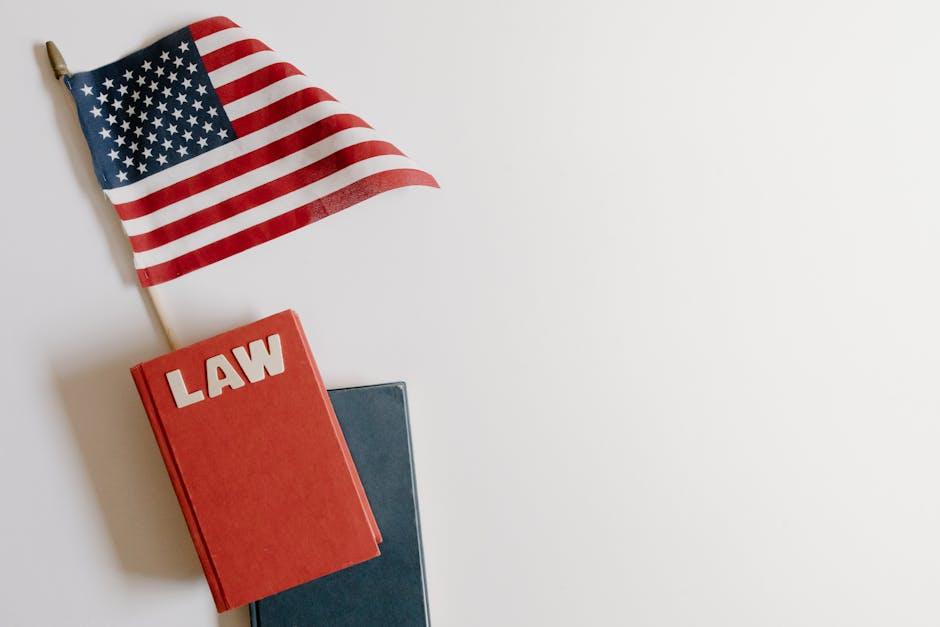
Navigating Legal Challenges and Opportunities
Dual nationality opens a doorway to new opportunities but also presents a maze of legal intricacies. Resolving obligations such as taxation, military service, and political participation requires careful navigation through sometimes conflicting laws. For instance, a person holding citizenship in two countries may face double taxation unless bilateral tax treaties provide relief. Additionally, legal systems vary widely on issues like inheritance rights and voting eligibility, turning what should be an advantage into a complex balancing act. Understanding these nuances is essential to leverage the benefits while avoiding unintended legal entanglements.
The legal landscape of dual nationality is shaped by several key considerations:
- Tax Responsibilities: Differing approaches to income and asset taxation.
- Military Obligations: Potential compulsory conscription in one or both countries.
- Political Rights and Duties: Voting rights, political candidacy restrictions, and public office eligibility.
- Travel and Mobility: Passport privileges and restrictions impacting freedom of movement.
| Issue | Country A | Country B |
|---|---|---|
| Taxation | Worldwide income taxed | Only income within borders taxed |
| Military Service | Mandatory for males 18-25 | No compulsory service |
| Voting Rights | All citizens can vote | Restricted to residents |
Balancing Loyalties in a Globalized Era
In a world that moves seamlessly across borders, individuals holding dual nationality often find themselves navigating a delicate dance of allegiance. These citizens embody two distinct identities, each with its own set of cultural expectations, legal obligations, and emotional ties. Rather than a division, this balancing act can be seen as a bridge—connecting communities, enriching perspectives, and forging new understandings in an interconnected world.
However, challenges arise when legal requirements or political climates demand undivided loyalty. Dual nationals must weigh considerations such as:
- Tax obligations in multiple countries
- Military service or civic duties
- Election participation and political expression
- Travel restrictions or diplomatic protection limits
| Aspect | Potential Conflict | Possible Benefit |
|---|---|---|
| Legal Rights | Conflicting laws | Access to broader protections |
| Cultural Identity | Feelings of divided loyalty | Rich multicultural heritage |
| Travel | Visa complexities | Multiple passports for flexibility |
Economic Advantages and Financial Considerations
Dual nationality often opens doors to a unique set of financial benefits, allowing individuals to optimize their economic opportunities across borders. Access to diverse job markets can lead to higher earning potentials, while the ability to own property and invest in both countries might diversify assets and reduce financial risks. Moreover, navigating different tax systems can be a double-edged sword, offering potential loopholes but also demanding meticulous compliance to avoid penalties. Key economic advantages include:
- Eligibility for scholarships and grants in more than one country
- Increased access to credit and banking services internationally
- Business opportunities and reduced restrictions on foreign investments
However, the financial landscape of dual nationality is layered with complex responsibilities. Individuals must often manage multiple tax obligations and understand social security agreements to prevent double taxation or gaps in coverage. Careful planning is essential, particularly when exchanging currencies or transferring wealth between countries, as fluctuating exchange rates and differing regulatory environments may affect income stability. The following table illustrates common financial considerations faced by dual nationals:
| Consideration | Potential Impact | Tip |
|---|---|---|
| Income Tax | Possible double taxation | Consult with international tax experts |
| Social Security | Gaps or overlapping contributions | Review bilateral agreements |
| Currency Exchange | Income fluctuation risk | Use hedging strategies when needed |
Strategies for Harmonizing Dual National Ties
Balancing the ties of two homelands requires more than just legal paperwork; it demands an emotional and intellectual harmony that respects and celebrates each culture. One effective approach is crafting a personalized cultural calendar, allowing one to participate in holidays and traditions from both nations. This shared rhythm helps maintain a continuous connection and fosters a deeper appreciation of dual heritage. Additionally, establishing a support network consisting of other dual nationals can provide invaluable insights and encouragement, creating a sense of belonging that transcends borders.
Practical strategies often involve clear communication and boundary-setting in social and professional environments. Consider the following methods for cultivating a balanced identity:
- Language immersion: Regularly practice both languages to preserve fluency and cultural nuances.
- Travel rotation: Plan visits to each country at regular intervals to stay connected physically and emotionally.
- Legal and financial awareness: Stay informed about the rights, responsibilities, and benefits specific to dual citizenship.
- Personal reflection: Dedicate time to understanding how the two national identities shape your worldview and values.
| Challenge | Strategy |
|---|---|
| Conflicting cultural expectations | Open dialogue with family and peers to find middle ground |
| Legal complexities | Consulting legal experts specialized in dual nationality |
| Identity confusion | Engaging in heritage-focused activities and communities |
In Summary
In the ever-evolving tapestry of identity, dual nationality weaves a story that is both intricate and inspiring. It challenges borders, redefines belonging, and invites us to embrace complexity over simplicity. As two worlds converge within a single individual, we are reminded that identity is not a fixed destination but a dynamic journey—one that bridges cultures, laws, and experiences. In understanding the nuanced reality of dual nationality, we move closer to appreciating the rich mosaic of human connection that transcends lines on a map.




