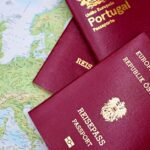
In a world increasingly woven together by technology, migration, and shared histories, the concept of nationality has begun to stretch beyond traditional borders. Dual nationality, once a rarity or even a point of legal contention, now stands as a symbol of the fluid identities that define many lives today. Yet, beneath its seemingly liberating promise lies a complex web of legal, cultural, and personal challenges. This article delves into the delicate dance of balancing two national allegiances, exploring how individuals navigate the intricacies of dual citizenship in a global landscape that is both connected and divided.
The Legal Landscape of Dual Nationality and Its Global Variations
Understanding the complex legal frameworks that govern dual nationality requires a journey through diverse perspectives and policies worldwide. Some countries embrace dual citizenship with open arms, recognizing it as a bridge for cultural exchange and economic opportunity. Others impose stringent restrictions or outright forbid it, often due to concerns over loyalty, military service obligations, or political integrity. This variance creates a legal mosaic where rights, responsibilities, and protections can dramatically shift depending on one’s jurisdictions.
Here is a comparative glimpse at how nations treat dual nationality:
- Permissive Countries: Canada, Australia, and South Africa allow multiple citizenships, emphasizing personal freedom and global mobility.
- Restrictive Countries: China, India, and Japan require individuals to renounce previous citizenships, prioritizing singular national allegiance.
- Conditional Countries: Germany and Singapore permit dual nationality only under specific circumstances, such as EU integration or birthright conditions.
| Country | Dual Citizenship Allowed | Key Restriction |
|---|---|---|
| Canada | Yes | No |
| India | No | Renunciation Required |
| Germany | Yes (Limited) | EU Citizens Exempt |
| China | No | Automatic Loss if Acquired |
| Australia | Yes | No |

Navigating Identity and Belonging in a Multicultural World
In a world where cultures intersect more than ever, individuals holding dual nationality face a unique tapestry of emotions and challenges. The fluidity of identity becomes both a gift and a puzzle, as belonging isn’t confined to a single flag or language but spreads across borders and traditions. Reconciling the customs, values, and expectations of two nations often prompts a deeper exploration of one’s personal narrative—one that is enriched by diversity yet occasionally shadowed by feelings of dislocation. This internal negotiation fosters resilience and adaptability, expanding horizons beyond conventional boundaries.
Practical aspects of dual nationality reveal a complex dance between rights and responsibilities. From voting laws and taxation to travel freedoms and legal obligations, managing two national identities requires careful navigation of sometimes conflicting rules. Below is a simplified comparison highlighting these contrasts:
| Aspect | Country A | Country B |
|---|---|---|
| Voting Eligibility | Citizenship + 18 years | Residency + 21 years |
| Military Service | Voluntary | Compulsory |
| Taxation | Worldwide income | Income sourced locally |
| Passport Validity | 10 years | 5 years |
Ultimately, the journey is about forging a sense of home that transcends geographic coordinates—a place where hybrid identities thrive, and multifaceted heritage is a source of strength rather than division.
Economic Opportunities and Challenges for Dual Citizens
Dual citizenship opens a gateway to diverse economic prospects, allowing individuals to seamlessly engage with multiple markets, invest across borders, and maximize employment opportunities. This unique position empowers dual citizens to leverage advantages such as access to different social security systems, eligibility for a broader array of scholarships or grants, and the capacity to operate businesses benefiting from varying regulatory environments. Furthermore, the ability to navigate multiple tax regimes can sometimes provide strategic financial planning options, enhancing personal wealth growth and cushioning economic shocks that may affect one country but not the other.
However, this double-edged sword comes with notable challenges. Navigating conflicting tax obligations can lead to complex compliance requirements and potential penalties if mismanaged. Additionally, dual citizens may face hurdles in establishing credit histories due to fragmented financial records or encounter bureaucratic inefficiencies stemming from differing legal frameworks. Consider the economic implications below:
| Economic Aspect | Advantages | Challenges |
|---|---|---|
| Tax Obligations | Potential for tax optimization with expert guidance | Risk of double taxation and complicated filings |
| Employment | Access to job markets in two countries | Conflicting labor laws or restrictions in certain sectors |
| Investment | Diverse opportunities across global markets | Varied regulatory and currency risks |
Strategies for Maintaining Rights and Responsibilities Across Borders
Individuals navigating dual nationality often face a complex web of obligations and privileges that stretch across different legal systems. To effectively manage this balance, strategic awareness of each country’s regulations is crucial. This includes staying informed about tax laws, voting requirements, and military service obligations that may apply simultaneously or alternately. Proactively consulting legal experts or using official government resources can mitigate risks and ensure compliance. Embracing digital tools such as dual-nationality management apps or alert services can also help track deadlines, document renewals, and legislative changes with ease.
Creating a tailored approach to rights and responsibilities usually means adopting practices such as:
- Maintaining accurate records: passports, birth certificates, and related documents in a secure, organized manner.
- Understanding residency status: knowing how long you can stay in each country without affecting taxation or eligibility for social services.
- Engaging in cultural and civic participation: attending local community events or voting, where legally permitted, to foster integration and representation.
| Focus Area | Action Tip | Benefit |
|---|---|---|
| Tax Compliance | Hire a cross-border accountant | Avoid penalties, optimize returns |
| Legal Residency | Monitor visa and stay durations | Preserve rights and benefits |
| Civic Duties | Participate in elections/volunteering | Strengthen community ties |
Future Trends in Dual Nationality Policy and International Relations
As globalization deepens, the policies surrounding multiple citizenships are evolving to reflect more complex international dynamics. Governments are increasingly recognizing the necessity of accommodating dual nationality to foster cross-border mobility, economic partnerships, and cultural exchange. This shift brings about innovative legal frameworks aimed at safeguarding state sovereignty while embracing the benefits of transnational identities. Key factors shaping this evolution include:
- Enhanced diplomatic cooperation to resolve conflicts involving dual nationals.
- Tech-driven identity verification ensuring secure and efficient citizenship management.
- Socioeconomic incentivization promoting dual nationals as bridges in global commerce and innovation.
The future landscape will likely require a delicate balancing act, as nations navigate the growing influence of supranational entities and transnational communities. International relations might increasingly focus on crafting bilateral and multilateral agreements addressing rights, responsibilities, and protections for individuals holding multiple citizenships. The table below outlines potential benefits and challenges emerging alongside these trends:
| Benefits | Challenges |
|---|---|
| Strengthened diplomatic ties | Complex legal jurisdiction issues |
| Broader economic opportunities | Risk of conflicting national loyalties |
| Enhanced cultural exchange | Difficulty in security clearance processes |
Insights and Conclusions
In the ever-evolving tapestry of identity, dual nationality stands as both a bridge and a boundary—offering opportunities while posing intricate questions about belonging, loyalty, and self-definition. As borders shift and societies blend, navigating the delicate balance between two worlds becomes an art, a negotiation, and ultimately, a unique expression of the modern human experience. Embracing the complexities of dual nationality today invites us to reconsider what it truly means to call a place home, reminding us that identity is not confined to lines on a map but woven through the stories we carry within.