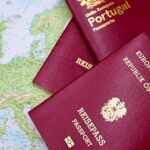
In a world increasingly connected by technology, travel, and global economies, the concept of identity is no longer confined to a single place or nationality. Dual citizenship, once a rarity, has become a common reality for millions navigating the intricate dance between two countries, cultures, and legal systems. This phenomenon challenges traditional ideas of allegiance and belonging, inviting us to reconsider what it truly means to call somewhere home. “Balancing Borders: Understanding the Reality of Dual Citizenship” explores the nuanced experiences of those living between lines on a map—shedding light on the privileges, responsibilities, and complexities that shape their unique lives.
The Complex Landscape of Dual Citizenship Rights and Responsibilities
Navigating the world as a dual citizen means embracing a unique set of privileges alongside a mosaic of responsibilities. Individuals often relish the ability to live, work, and vote in multiple countries, yet simultaneously, they face the complex task of fulfilling legal obligations that may differ or even conflict between their nations of allegiance. These responsibilities often include tax filings, mandatory military service, or even restrictions on political activities. Understanding the delicate balance between rights and duties is essential for anyone considering or already living with dual nationality.
It’s important to recognize that dual citizenship can vary significantly depending on country-specific laws and international agreements. While some nations encourage dual citizenship, offering unrestricted access to social services and property ownership, others impose limitations. Here is a concise overview of common rights and responsibilities for dual citizens:
- Voting Rights: Ability to participate in elections varies; some countries require exclusive allegiance.
- Taxation: Dual citizens may need to file taxes in both countries, depending on treaties.
- Military Service: Some nations require mandatory service, which might be enforced irrespective of other citizenships.
- Legal Protections: Access to consular support and legal rights can be complex if both countries claim jurisdiction.
| Country | Dual Citizenship Allowed | Key Obligation |
|---|---|---|
| Canada | Yes | Tax reporting |
| Japan | No | Renounce other citizenship by age 22 |
| Australia | Yes | Mandatory voting |
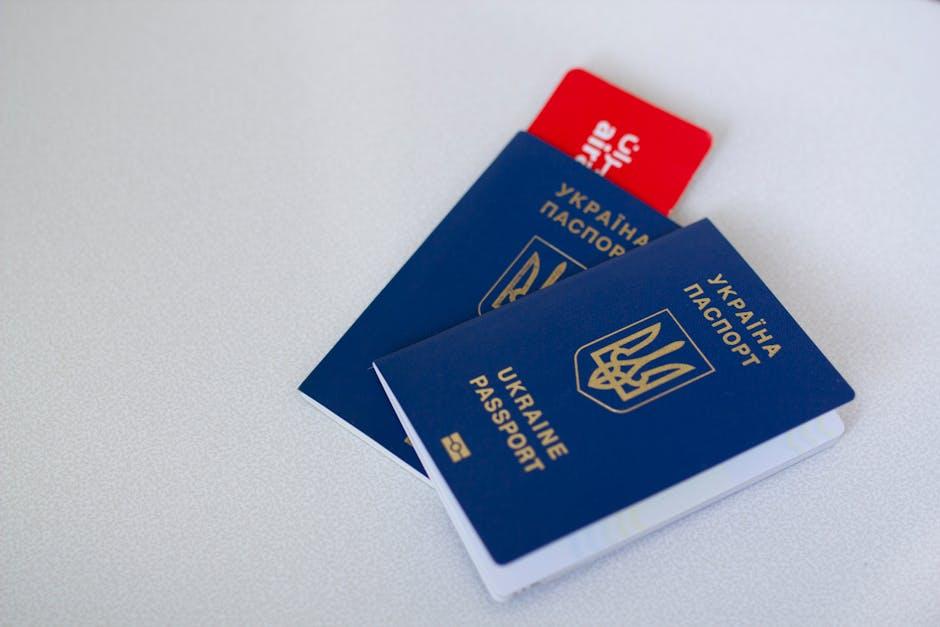
Navigating Legal Challenges Across Multiple Jurisdictions
Dual citizenship often opens doors to unique legal landscapes, where individuals must skillfully traverse varying laws that apply simultaneously. Citizens find themselves balancing responsibilities and privileges that may conflict, especially when it comes to issues such as taxation, military service, and inheritance rights. Each jurisdiction upholds its own statutes, and navigating these without expert advice can lead to unintended consequences. For instance, tax obligations might overlap, resulting in complex filing requirements or, conversely, tax credits that mitigate double taxation. Understanding these nuances is critical to maintaining compliance and harnessing the benefits of holding multiple citizenships.
Key considerations include:
- Recognition and validity of dual citizenship by the involved countries
- Differences in legal rights and duties, such as voting or conscription
- Impact on property ownership laws and business regulations
- Consequences of jurisdictional conflicts in criminal matters
| Legal Aspect | Country A | Country B | Potential Conflict |
|---|---|---|---|
| Tax Residency | Worldwide Taxation | Territorial Taxation | Double Taxation Risk |
| Military Service | Mandatory | Voluntary Only | Conscription Conflict |
| Property Rights | Foreign Ownership Restrictions | Unrestricted | Ownership Limitations |
| Voting Rights | Allowed in Local Elections | Only National Elections | Electoral Participation |
Proactive legal planning not only alleviates headaches but also empowers dual citizens to optimize their cross-border lifestyle. Contracting with knowledgeable legal professionals who specialize in international law is highly advisable. By preparing ahead, individuals can create a roadmap tailored to their unique circumstances, ensuring their rights are protected in every jurisdiction they call home.
Cultural Identity and Social Integration Beyond Borders
Navigating the world through dual citizenship paints a vivid picture of cultural fusion, where personal identity expands beyond geographical lines. Individuals often find themselves weaving traditions from multiple homelands, creating a unique tapestry of values, language, and social customs. This blend can foster greater empathy and worldview flexibility, but also presents challenges such as balancing loyalty and adapting to divergent societal expectations. Negotiating these cultural nuances enriches the experience of belonging and encourages the development of a transnational mindset that transcends rigid borders.
Social integration in multiple societies often relies on key factors that support a harmonious dual existence. These elements facilitate meaningful connections and a sense of community regardless of which country one calls home at the moment. Consider the pillars that nurture this delicate balance:
- Language proficiency – Enables communication and deeper cultural immersion.
- Community engagement – Involves participation in local events and networks to build social ties.
- Legal awareness – Understanding rights and responsibilities across borders.
- Open-mindedness – Embracing diverse perspectives and customs.
| Aspect | Challenge | Opportunity |
|---|---|---|
| Identity | Conflicting cultural expectations | Enriched self-awareness |
| Belonging | Feeling divided between communities | Expanded social networks |
| Legal Status | Complex bureaucracy | Access to broader rights and privileges |
Financial Implications and Tax Considerations for Dual Citizens
Holding citizenship in two countries unlocks unique financial perspectives, but it also introduces a complex web of fiscal responsibilities. Dual citizens must navigate through potentially differing tax systems, which can include filing requirements in both countries. For example, the United States taxes its citizens on worldwide income regardless of residence, while other nations might use territorial tax systems. This dual obligation can lead to double taxation unless mitigated by tax treaties or foreign earned income exclusions. Understanding these nuances is crucial to avoid unexpected liabilities and to optimize global financial planning.
Beyond income tax, dual citizenship impacts other financial aspects such as inheritance, property ownership, and social security benefits. Considerations include:
- Tax treaties: Agreements that help prevent double taxation and establish which country has taxing rights on specific income types.
- Foreign Account Reporting: Obligations such as FATCA in the U.S. require reporting foreign bank accounts and assets, adding compliance layers.
- Currency and investment regulations: Some countries impose controls affecting how dual citizens can invest or transfer money abroad.
| Aspect | Consideration | Potential Impact |
|---|---|---|
| Income Tax | Double tax treaties & filing requirements | Reduced tax burden / Increased paperwork |
| Inheritance Tax | Differing rules by country | Unexpected estate liabilities |
| Asset Reporting | Compliance with FATCA or CRS | Penalties for non-disclosure |
Practical Strategies for Managing Dual Citizenship Effectively
Successfully navigating the complexities of dual citizenship requires a proactive approach to both legal and cultural dimensions. Staying informed about the laws and tax obligations in each country is paramount. This includes understanding each nation’s stance on military service, voting rights, and even travel restrictions. Utilizing government and legal resources for updates ensures that you avoid potential pitfalls, such as unintended tax liabilities or residency conflicts. In addition, maintaining clear documentation and regularly renewing your passports on time prevents complications at international borders.
Beyond legalities, embracing your dual identity can enrich your personal and professional life. Strategies that encourage cultural integration and networking in both countries can provide a significant advantage. Consider:
- Joining expatriate or cultural organizations to build a supportive community
- Leveraging language skills for career opportunities
- Participating actively in civic and social activities in both countries
These practices nurture a balanced sense of belonging and help bridge the practical gaps between your two national ties.
To Wrap It Up
In the intricate dance of identity and allegiance, dual citizenship emerges not as a contradiction, but as a bridge—connecting histories, cultures, and futures. Balancing borders is less about choosing sides and more about embracing complexity, where legal ties intertwine with personal narratives. As the world grows ever more interconnected, understanding the reality of dual citizenship invites us to rethink notions of belonging, sovereignty, and community. Ultimately, it challenges us to see borders not as rigid lines but as flexible spaces where multiple identities can coexist and thrive.