
In a world increasingly woven together by migration, technology, and cultural exchange, the concept of nationality is evolving beyond traditional boundaries. Double nationality, once a rare legal curiosity, has become a lived reality for millions—individuals who navigate the delicate dance of belonging to two countries at once. This balancing act offers unique opportunities and challenges, blending identities, loyalties, and legal landscapes in complex ways. In this article, we delve into the multifaceted reality of double nationality, exploring what it means to live between worlds and how this dual existence shapes personal identity, international relations, and societal frameworks.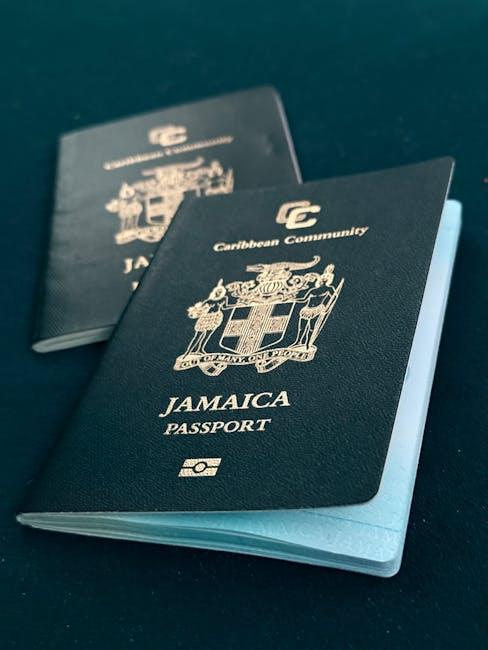
The Multifaceted Identity of Dual Citizenship
Living between two nations means embodying a unique blend of cultures, languages, and legal obligations. This duality can enrich an individual’s worldview, offering access to a broader spectrum of opportunities and a deeper understanding of global interconnectedness. Yet, it also demands a continuous balancing act—navigating diverse social norms, tax systems, and political landscapes. The dual citizen must often switch between identities seamlessly, adapting to the expectations and values of each country while maintaining a cohesive sense of self.
Understanding the complexities of holding two passports reframes citizenship not just as a legal status, but as an evolving personal journey. It encompasses:
- Legal Challenges: Compliance with the laws and responsibilities of both nations.
- Cultural Fusion: The blending and preservation of traditions from multiple heritages.
- Social Dynamics: Managing relationships and identities within different communities.
- Economic Benefits & Responsibilities: Access to employment, education, and investment opportunities, balanced against tax obligations.
| Aspect | Opportunities | Challenges |
|---|---|---|
| Travel | Visa-free access to more countries | Confusion over entry and exit regulations |
| Work | Expanded job markets | Dual taxation complexities |
| Identity | Rich multicultural perspective | Feeling of divided loyalty |
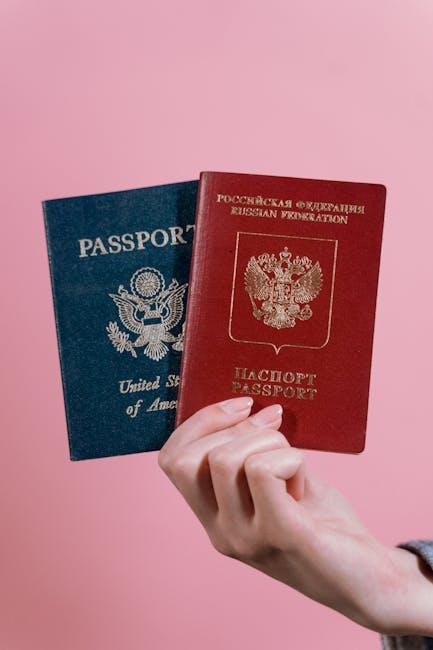
Legal Complexities and Rights Across Borders
When individuals hold citizenship in two countries, they navigate a labyrinth of laws that can sometimes entangle rights, duties, and privileges. Legal frameworks differ significantly from one nation to another, impacting everything from taxation to military service obligations. Take, for example, the right to vote: some countries permit dual nationals to participate fully in elections, while others restrict this right or require citizens to declare allegiance to one state over another.
Understanding this complex interplay is vital, especially regarding civil rights and legal responsibilities. Dual nationals may find themselves facing unique situations such as:
- Contradictory obligations in taxation and social security contributions
- Legal protections under one government, but not the other
- Complications in international travel or residency permits
- Potential difficulties in inheritance laws across jurisdictions
| Aspect | Country A | Country B |
|---|---|---|
| Voting Rights | Permitted | Restricted |
| Tax Obligations | Worldwide Income Taxed | Taxed on Local Income |
| Military Service | Mandatory | Absolved for Dual Nationals |
Cultural Integration and Navigating Social Expectations
Living between two cultures often means mastering an intricate dance of customs, values, and social cues. Double nationals may find themselves effortlessly switching languages or celebrating diverse traditions, yet the challenge lies in the subtle expectations that come with each identity. Navigating these social landscapes demands a keen sense of empathy and adaptability, as conflicting norms can sometimes lead to feelings of alienation or pressure to conform.
Here is a snapshot of common experiences faced by those integrating multiple cultural frameworks:
- Social Invitations: Balancing time between family gatherings from different cultural backgrounds
- Communication Styles: Adapting between direct and indirect conversational norms
- Value Systems: Reconciling contrasting views on independence, respect, and community
- Identity Expression: Choosing which aspects of culture to highlight or downplay in various social contexts
| Challenge | Typical Response | Adaptation Strategy |
|---|---|---|
| Conflicting Family Expectations | Feeling torn or guilty | Open communication and compromise |
| Peer Group Integration | Experiencing outsider status | Seeking like-minded individuals across both cultures |
| Celebration Differences | Choosing which holidays to observe | Creating new traditions blending both heritages |
Economic Opportunities and Financial Responsibilities
Navigating the world as a dual citizen often unlocks a myriad of economic opportunities that single nationality holders may find inaccessible. Access to diverse job markets, eligibility for entrepreneurial ventures across borders, and the chance to tap into multiple social security systems can create a dynamic financial landscape. However, with these advantages come layered financial responsibilities—dual tax obligations, regulating income declaration in two countries, and understanding varying investment regulations become part of daily life. The challenge lies not just in leveraging opportunities but also in mastering the art of compliance and fiscal discipline in both jurisdictions.
When analyzing economic impacts, several subtle factors come into play:
- Currency Fluctuations: Managing savings and investments between currencies that might fluctuate significantly.
- Legal Tax Residency: Understanding which country claims predominant tax residency status can alter financial strategies.
- Financial Aid and Benefits: Eligibility often varies and may require nuanced navigation to optimize gains.
| Aspect | Benefit | Responsibility |
|---|---|---|
| Work Opportunities | Access to international job markets | Meeting varied employment laws |
| Taxation | Potential tax treaty advantages | Filing taxes in multiple jurisdictions |
| Investment | Broader diversification potential | Navigating different regulatory environments |
Practical Tips for Managing Dual National Responsibilities
Navigating the obligations that come with dual nationality requires a strategic approach. Prioritizing tasks by understanding each country’s legal expectations ensures smoother compliance. Make a habit of staying updated on tax laws, voting requirements, and travel regulations in both countries. Using digital tools like calendar reminders for visa renewals or tax filings can prevent unexpected penalties. Remember, being organized is your first line of defense against the complexity of managing two sets of responsibilities.
Building a network of local contacts, including legal advisors and fellow dual nationals, creates a supportive environment for addressing challenges. Leverage resources such as dual citizenship forums or embassies which often offer precise guidance. Consider the following practical actions to keep responsibilities manageable:
- Maintain clear records for taxes, legal documents, and official communications.
- Schedule regular check-ins with consulates or embassy resources.
- Prioritize cultural integration to better navigate social obligations.
- Plan financially for overlapping fiscal responsibilities to avoid surprises.
| Responsibility | Key Strategy | Frequency |
|---|---|---|
| Tax Filing | Use dual tax treaties to avoid double taxation | Annually |
| Passport Renewal | Set early reminders 6 months before expiry | Every 5-10 years |
| Voting | Register in each country’s voter database | During elections |
Key Takeaways
In the intricate dance of identity and allegiance, double nationality stands as a testament to the evolving nature of belonging in our interconnected world. It challenges us to rethink borders not just as lines on a map, but as fluid spaces where cultures, responsibilities, and experiences converge. As individuals navigate the privileges and complexities of holding two passports, they embody a unique reality—one that blurs single narratives and invites us all to consider what it truly means to belong. In embracing this balancing act, we open ourselves to richer stories and a broader understanding of the world we share.




