
In an era where the world feels simultaneously vast and intimately interconnected, the concept of identity often transcends traditional boundaries. “Between Borders and Belonging: Navigating the Complex Journey of Multiple Citizenship” invites us to explore the nuanced realities of those who live with more than one nationality. This journey is not just about legal status or passports-it’s a delicate dance between cultures, rights, and responsibilities that shapes how individuals define themselves and their place in an ever-evolving global landscape. As borders shift and personal histories intertwine, multiple citizenship emerges as both a bridge and a battleground, challenging us to rethink what it truly means to belong.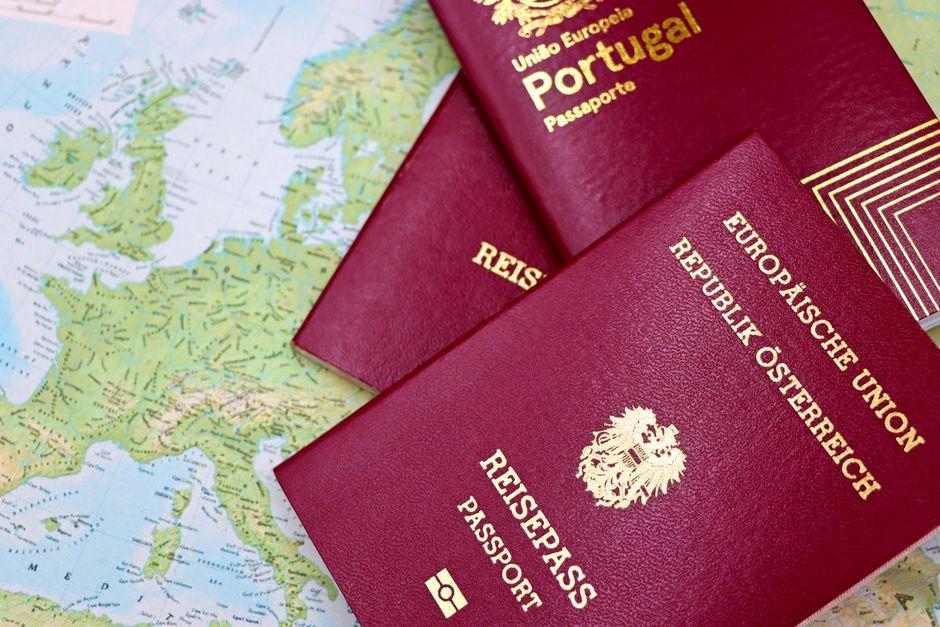
Crossing Lines and Building Bridges in a World Without Single Roots
Isabel grew up straddling two worlds: her childhood in Brazil enriched by the traditions of her Italian grandparents, while her adolescence unfolded between São Paulo and Milan. When she finally acquired dual citizenship, she expected a seamless integration of her identities. Yet, the reality was often more complex. At university, she encountered assumptions that she must fully belong to one place or the other, forcing her to navigate moments of dissonance-such as choosing which country’s customs to honor on holidays or which language to speak in social settings. These experiences revealed not just the challenge of existing “between” borders, but also the opportunity to craft a personal sense of belonging that embraces multiplicity rather than singular roots.
This navigation offers valuable lessons for anyone carrying multiple citizenships today. Crossing lines is less about erasing differences and more about building bridges-linking cultures, legal systems, and communities in ways that enrich rather than divide. Practical decisions, like voting in elections across different countries or reconciling contrasting legal obligations, underscore the need for nuanced understanding. Consider the case of Amir, who, with passports from three countries, had to carefully manage conscription rules and taxation, turning bureaucratic complexity into a form of adept citizenship diplomacy. In a world increasingly marked by fluid identities and transcultural ties, those with multiple nationalities become living testaments to a new reality where roots are many, but belonging is a bridge continuously constructed through choices and connections.
| Challenge | Example | Lesson Learned |
|---|---|---|
| Cultural expectation vs. personal identity | Isabel navigating holiday traditions between Brazil and Italy | Belonging is shaped through selective adaptation, not total assimilation |
| Legal obligations across borders | Amir managing conscription and tax laws in three countries | Complexity requires informed, strategic citizenship |
Conflicted Loyalties and Legal Labyrinths in the Realm of Dual Passports
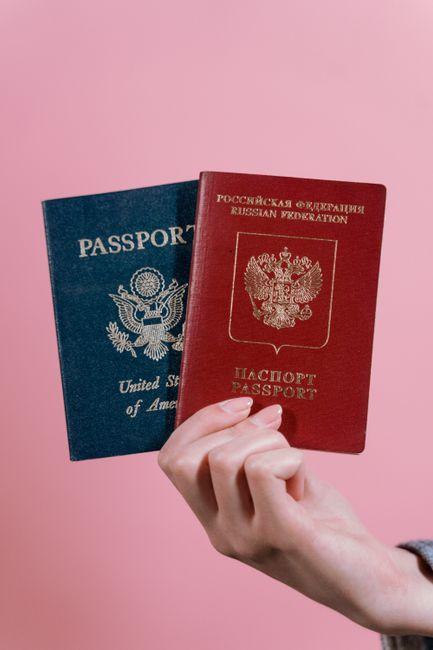
Imagine Sara, holding both Canadian and Italian passports, excited to live her dual identity globally. Yet, her journey soon revealed the maze hidden behind these two lines of citizenship. When Sara planned to start a business in Italy, she assumed her dual status would streamline everything. Instead, she faced conflicting expectations: Italian law mandated local residency for certain registrations, while Canadian regulations required her to maintain tax filings based on worldwide income. The emotional toll weighed heavily when she realized her loyalty was no longer a simple preference but a legally binding tug-of-war. Here, the personal became entangled with state mandates-an unexpected lesson on how dual passports, though symbols of freedom, often come with *complex obligations*.
Consider key challenges that often surface for dual passport holders:
- Military service requirements: Some countries necessitate conscription, putting individuals like Sara’s friend Ahmed in a tight spot between service and career progression abroad.
- Tax complications: Dual citizens can find themselves taxed twice unless protected by treaties, leading to intricate reporting obligations and unanticipated liabilities.
- Legal conflicts: Different countries can apply mutually exclusive laws on inheritance, child custody, or even property rights.
| Country | Typical Dual Citizenship Legal Challenge | Real-World Impact |
|---|---|---|
| USA | Oath of allegiance and taxation | Dual citizens must file US taxes regardless of residence, sometimes incurring complex double-tax scenarios. |
| Australia | Political participation restrictions | Dual citizens may be barred from holding certain public offices, limiting civic integration. |
| Germany | Restrictions on nationality choices | Dual citizenship is strictly regulated, forcing many to choose a primary identity upon adulthood. |
Sara’s experience teaches a critical truth: dual passports are not merely travel facilitators or symbols of multicultural identity-they are catalysts for complex decisions, often requiring a delicate balance between legal constraints and emotional allegiance. Navigating these waters demands not only paperwork and legal advice but also a readiness to confront moments when loyalties clash and expectations meet unforeseen realities.
Turning Points That Redefine Identity Across Nations
Maria, born in Mexico but raised in Canada, often found herself at a crossroads when deciding which passport to travel with. When her grandfather passed away in a small village in Oaxaca, the trip wasn’t just about attending a funeral-it became a profound reunion with a part of her identity she had long placed on hold. Holding two citizenships had initially felt like a bureaucratic convenience, but this moment illuminated the emotional weight behind such documents. It wasn’t simply about where she could work or reside legally; it was about belonging and honoring roots that shaped her values and worldview. Yet, arriving back home, Maria felt an unexpected distance from some relatives who viewed her through a prism of duality-as both insider and outsider.
Across the ocean, Ebrahim’s story offers another perspective: an Iranian-French dual citizen considering applying for a government job in France. For him, the decision tangled practicality with perception. The expectation was straightforward-multiple citizenships could open doors, symbolizing adaptability and global understanding. However, Ebrahim encountered unexpected challenges. The hiring committee, wary of dual loyalties during tense geopolitical moments, questioned his identity and allegiance. This tension revealed a common lesson for many navigating multiple passports:
- Legal status does not always equal social acceptance.
- Crossing borders often requires one to cross invisible cultural thresholds.
- Belonging extends beyond documentation-it involves trust and recognition from others.
| Scenario | Expectation | Reality | Lesson |
|---|---|---|---|
| Maria’s return visit to Mexico | Feeling connected and embraced by family | Mixed reception; felt both embraced and distant | Identity is fluid, shaped by both personal ties and social perception |
| Ebrahim’s job application in France | Opportunity enhanced by dual citizenship | Suspicions about loyalties despite legal status | Cultural and political contexts influence acceptance beyond legality |
These turning points demonstrate how multiple citizenships redefine identity not only through the privileges they afford but through the nuanced and often unexpected ways they shape individual narratives-stories told across borders, echoed in the heartbeats of belonging.
Lessons from Lives Straddling Cultures and Citizenship Laws
Take the case of Amina, born in Morocco but raised in France, whose parents insisted she hold on to her Moroccan citizenship while obtaining French nationality for better opportunities. Initially, Amina saw multiple citizenships as a seamless advantage-access to education, work, and social benefits in both countries. However, life soon revealed the layered realities. When she applied for a job in a French multinational, her Moroccan passport sparked subtle doubts among HR professionals about her long-term commitment. Meanwhile, back in Morocco, she confronted legal headaches when trying to inherit property, as dual citizenship laws there imposed unexpected tax burdens and documentation complexities. Amina’s story illustrates how multiple citizenships often require navigating contradictory legal frameworks and social perceptions, challenging the assumption that more citizenships automatically equate to more freedom or security.
Similarly, Rajiv’s experience as an Indian-American highlights a different facet: the emotional terrain of identity and loyalty. When India’s policies prohibited dual citizenship, Rajiv reluctantly renounced his Indian passport to embrace his American one fully. The decision was less about legality and more deeply personal-a crossroads between feeling anchored to ancestral roots and adapting to a new homeland’s expectations. The aftermath was bittersweet, punctuated by moments of pride and loss. At family gatherings, the absence of his Indian passport was a quiet reminder of divisions beyond geography, while terminals at airports transformed from simple gateways into symbolic barriers. Rajiv’s journey underscores key lessons:
- Multiple citizenships demand continual negotiation between personal identity, legal constraints, and cultural belonging.
- Expectations of belonging do not always align with practical outcomes; citizenship may enhance access but complicate personal narratives.
- Legal landscape varies dramatically: some countries accept dual citizenship fluidly, others impose choices that redefine familial and social relationships.
| Aspect | Expectation | Reality |
|---|---|---|
| Freedom of Movement | Seamless travel and work possibilities | Visa restrictions and bureaucratic delays persist despite multiple passports |
| Identity | Feeling fully embraced in both cultures | Complex emotional ties and sometimes divided loyalties |
| Legal Rights | Equal protections and rights in all countries involved | Jurisdictional conflicts and discriminatory policies occasionally arise |
When Home Is Multiple Places A Mosaic of Belonging and Belief
When home is not confined to a single place, the experience unfolds like a mosaic-each tile a distinct country, culture, or identity that together form a unique picture of belonging. Take the story of Amina, who grew up between Canada and Morocco, celebrating Christmas with her Canadian relatives and Ramadan with her Moroccan family. For her, holding multiple citizenships was more than a legal status; it was a daily dance of navigating differing social norms, languages, and expectations. Her decision to identify more strongly with one culture in professional settings often clashed with the deeply personal pull of her other roots-an internal negotiation of loyalty and authenticity. Moments like choosing which passport to travel on, or which culture to explain to friends at a gathering, underscore the layered reality of multiple citizenships-not all about ease, but about constant, careful balancing.
For another example, consider Jorge, a dual citizen of Brazil and Portugal, who once faced a crucial choice when applying for university. His expectation was that holding European Union citizenship through Portugal would automatically unlock smoother educational opportunities across Europe. While that was partly true, Jorge soon learned that bureaucracy and cultural expectations still varied significantly within EU countries. This contrast between the promise of flexibility and the reality of fragmented policies presented challenges but also lessons in adaptability. Together, these experiences reveal key aspects of life with multiple citizenships:
- The practical benefits: easier travel, work, and residence options that open doors otherwise closed.
- The emotional complexity: juggling multiple senses of home, sometimes feeling fully accepted nowhere and everywhere simultaneously.
- The ongoing negotiation: a continuous process of defining identity amid contrasting societal norms and personal values.
In Conclusion
As the threads of identity weave ever more intricately across borders, the journey of multiple citizenship emerges as both a challenge and a promise-a landscape where allegiances overlap and belonging is redefined. Navigating this complex terrain calls for a nuanced understanding not only of legal frameworks but of the deeply human stories that unfold within them. In embracing the fluidity of borders and the multiplicity of selves, we open pathways to richer, more diverse expressions of home and heritage-a reminder that belonging, ultimately, transcends maps and passports to reside in the spaces where we connect, grow, and belong.




