In a world increasingly defined by movement and connection, the notion of belonging has taken on new dimensions. For those who hold dual citizenship, life often unfolds between two distinct identities, cultures, and legal systems-a delicate balance of embracing multiple heritages while seeking a sense of home. “Between Two Worlds: Navigating Identity and Belonging Through Dual Citizenship” delves into the intricate journey of living with dual nationality, exploring how individuals reconcile the privileges and challenges of straddling borders both literal and figurative. This exploration reveals not only the complexities of legal status but also the deeper quest for identity in a globalized era.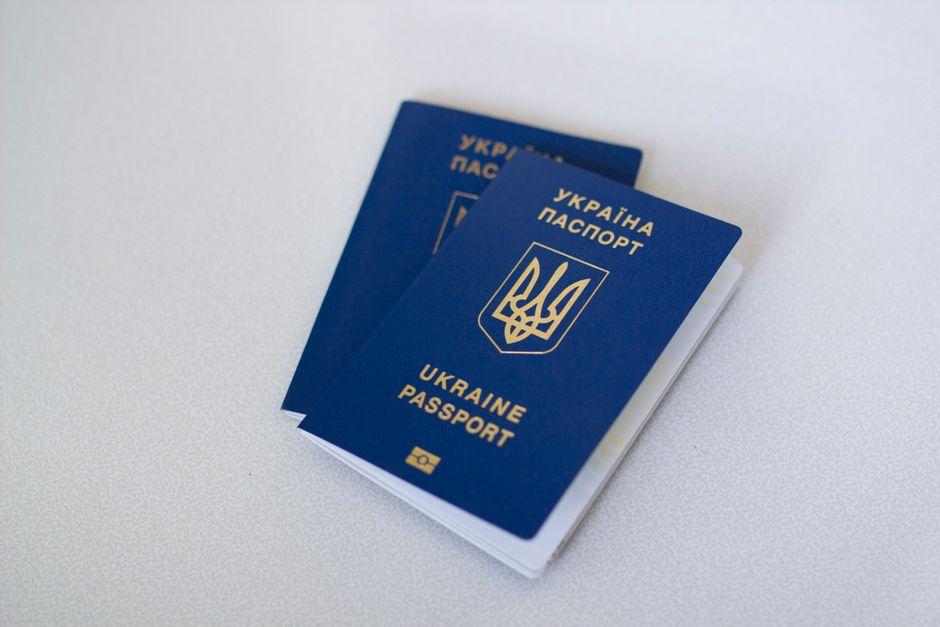
Rooted in Two Homelands Navigating Cultural Crossroads and Everyday Realities
For many dual citizens, the feeling of being rooted in two homelands is both a blessing and a challenge. Take the example of Ana, who grew up attending school in Germany while spending summers with her family in Brazil. At school, she was praised for her fluency in German and the discipline imbued by a structured education system. However, during family gatherings back home, she often found herself struggling with the relaxed social norms and colloquialisms that come naturally to her relatives. This constant switching demanded not only language agility but an ongoing mental negotiation between two sets of cultural expectations. Ana’s story highlights a common crossroads: belonging neither fully to one place nor the other, but learning to weave elements from both into a fluid identity rather than forcing a choice.
Everyday realities can amplify these tensions in unexpected ways. For instance, when deciding on healthcare options, dual citizens might face different systems that value individual responsibility versus community support. Consider the following brief comparison:
| Country A (Example: UK) | Country B (Example: USA) |
|---|---|
| Universal healthcare, emphasis on accessibility | Insurance-based, emphasis on choice and coverage complexity |
| Less out-of-pocket costs | Potentially high costs depending on plan |
| Longer waiting times for certain treatments | Faster access but risk of unaffordable bills |
Such contrasts require dual citizens to carefully weigh practical considerations alongside emotional ties. This balancing act extends to things like voting, taxation, and even parenting, where cultural values distinctly shape everyday decisions. The lesson is clear: navigating dual citizenship isn’t just about holding two passports, but about managing a continuous dialogue between two worlds-learning, adapting, and defining belonging on one’s own terms.
The Quiet Struggles of Balancing Loyalties and Legalities
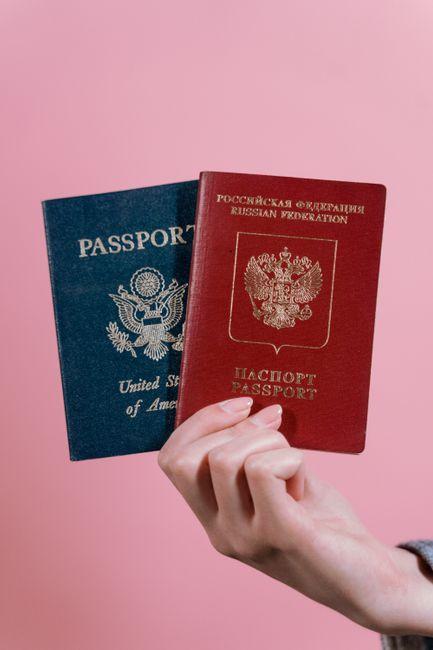
Imagine Amina, a dual citizen of two countries with historically tense relations. When her home country’s government implemented mandatory military service, she faced a profound dilemma: ignore the requirement and risk losing citizenship or disrupt her life abroad to comply. This crisis wasn’t just legal-it struck at her sense of identity and loyalty. Dual citizenship promised freedom and belonging in two places, yet it brought the harsh reality of conflicting obligations. Many like Amina find themselves caught in quiet struggles, where legal responsibilities clash with personal values, and decisions are rarely clear-cut. Navigating these moments often means weighing the consequences not just on paper but on family ties, career paths, and emotional well-being.
These complexities underscore why dual citizenship is more than a status; it’s a continual balancing act. For instance, tax laws and voting rights vary dramatically between nations, often surprising new dual citizens who assumed benefits were straightforward. Consider the following snapshot of common legal contrasts:
| Country A | Country B | Implications for Dual Citizens |
|---|---|---|
| Taxation on Worldwide Income | No Tax on Foreign Income | Complex filings and possible double taxation risks |
| Compulsory Military Service | No Military Duty | Potential for legal conflicts or exemptions need |
| Automatic Loss of Citizenship for Serving Foreign Government | Allows Dual Public Service | Requires careful career and civic participation choices |
- Lesson: Keep informed of both countries’ evolving laws to avoid unintended penalties.
- Decision Moment: When asked to declare political allegiance or military status, clarity and legal counsel become vital.
In the quiet moments when paperwork meets personal conviction, dual citizens navigate a unique landscape. Expectations of seamless belonging often give way to complex realities, teaching resilience and the importance of informed choices. These struggles, though subtle, shape the lived experience of being between two worlds.
When Borders Blur Personal Stories of Connection and Contradiction
Maria grew up in Brazil but held an Italian passport through her grandparents. For years, her identity felt compartmentalized: at family gatherings in São Paulo, she was wholly Brazilian; yet during a visit to Rome, she was reminded at every turn of the European heritage she officially carried. The borders between these worlds blurred in moments of contradiction-when she was expected to embrace and represent both but sometimes felt pulled in opposite directions. For Maria, dual citizenship was less a legal status and more a daily negotiation. For instance, applying for jobs in Brazil, her Italian nationality was often irrelevant, but when she moved to Europe, her Brazilian roots became a point of subtle exclusion within local social circles, sparking reflections on what “belonging” truly means.
These tensions reveal vital lessons about identity and connection. Rather than clear-cut binaries, dual citizenship often creates overlapping spaces where culture, language, and law intermingle unpredictably. Consider the unexpected situations faced by people like Ahmed, who holds passports from two countries with strained relations. His choices about travel and political expression become delicate balancing acts, with the potential to affect family, career, and self-expression in profound ways.
- Expectation: Dual citizenship offers seamless mobility and cultural acceptance.
- Reality: It can also entail complex emotional labor and legal contradictions.
- Lesson: Navigating these blurred borders demands empathy, adaptability, and nuanced understanding.
| Situation | Expectation | Outcome | Lesson Learned |
|---|---|---|---|
| Applying for university abroad with dual citizenship | Broader opportunities and simplified admission | Encountered unexpected quota restrictions based on nationality | Nationality’s impact varies by institution and country |
| Visiting family in both countries during holidays | Feeling equally at home in both places | Experienced subtle alienation as an “outsider” in each | Belonging is shaped as much by social acceptance as legal status |
Finding Common Ground Lessons from Dual Citizens Shaping New Identities
When Ana, a dual citizen of Brazil and Germany, first tried explaining her multicultural identity to friends, she encountered both curiosity and confusion. “Are you more Brazilian or German?” was a question she wrestled with for years. This moment of confrontation is common among dual citizens, where identity feels like a puzzle with no fixed edges. Yet, rather than choosing a single box to fit into, Ana learned to blend the two worlds, crafting a new sense of self that honors both her fiery Brazilian roots and her structured German upbringing. Her experience reveals that common ground isn’t about erasing differences but embracing complexity. Through dialogue and self-reflection, many dual citizens find that their hyphenated identity serves as a bridge-connecting cultures and peoples in unexpected, enriching ways.
Consider the case of Michael, navigating between his American and Japanese heritage. He initially expected heightened cultural conflicts, imagining that his two worlds would always be at odds. Instead, he discovered moments of unexpected harmony, such as blending traditional Japanese etiquette with American spontaneity during family gatherings. These dual moments have taught him that cultural identity isn’t a static label but a dynamic interplay shaped by experience and choice. Lessons from these individuals highlight practical approaches to finding balance:
- Embrace the nuances: Accept that identity shifts over time and across contexts, allowing space for change.
- Use cultural fluency as a tool: Navigate social situations by selecting elements from both cultures to foster understanding.
- Create personal rituals: Develop new traditions inspired by the merging of backgrounds, grounding identity in lived experience.
| Expectation | Reality |
|---|---|
| Dual citizenship means confusion and constant conflict. | Opportunity to forge new identities that transcend singular definitions. |
| Integrating two cultures will dilute sense of belonging. | Creates richer, layered belonging-sometimes with unique challenges, but often with deep rewards. |
| Cultural differences create division. | Differences can serve as bridges when met with curiosity and openness. |
Bridging Histories Embracing Complexity and Belonging Beyond Passports
For many holding dual citizenship, the journey to embrace both histories often begins with something as simple-and as complex-as a family gathering. Take Leyla, who grew up hearing stories in Turkish at home but attended school in Germany. At family dinners, she navigated conversations peppered with traditional sayings that didn’t always translate neatly into her day-to-day language. Yet, these moments became bridges rather than barriers. Earlier, she assumed her dual identity would feel split or conflicted, but over time, she learned it’s more about weaving threads together, creating a tapestry richer than the sum of its parts. Her experience reveals a valuable lesson: embracing complexity often means accepting moments of ambiguity as opportunities for deeper understanding.
Decisions around belonging extend beyond legal documents into emotional and social landscapes. Consider Carlos, who carried both a Brazilian and Canadian passport but had to choose which community to identify with during a career move. Expectations were that a choice would clarify his identity, but the reality was more nuanced. He found his sense of belonging fluctuated, shaped by workplace culture, language comfort, and personal values rather than nationality alone. This highlights how dual citizenship often challenges fixed assumptions about identity:
- Belonging is not static; it evolves with contexts and experiences.
- Nationality on a passport doesn’t necessarily dictate cultural affinity or personal identity.
- Individuals often find themselves forging new, sometimes hybrid, senses of belonging.
| Expectation | Reality |
|---|---|
| Dual citizenship offers a clear-cut identity | Identity is fluid and situational, often blending influences |
| Belonging depends on legal ties and nationality | Belonging is shaped more by community, culture, and personal experience |
By bridging histories in such ways, those with dual citizenship move beyond the confines of passports, embracing a multifaceted sense of self that transcends borders. Their stories illuminate how identity is a continuous negotiation-less a question of “either/or” and more of “both/and.”
Insights and Conclusions
In the delicate dance between two homelands, dual citizenship offers both a mirror and a bridge-a space where identity is not confined but expanded. Navigating this complex terrain means embracing the pluralities within oneself, finding belonging not in singular roots but in intertwined branches. Between these worlds, the journey is less about choosing sides and more about weaving together stories, cultures, and histories into a tapestry that reflects the richness of being truly-beautifully-both.