
In an increasingly interconnected world, the lines that define national identity are becoming ever more fluid. For many Americans, the prospect of holding dual citizenship offers a unique bridge-an opportunity to belong to two nations simultaneously, yet also a complex path fraught with legal, cultural, and personal challenges. “Between Two Worlds: Navigating the Complex Journey of Dual Citizenship as an American Citizen” delves into the intricate dance of balancing rights, responsibilities, and identity across borders. This exploration uncovers the multifaceted experience of dual citizenship, revealing both its promises and pitfalls in a journey that spans more than just geography-it touches the very core of what it means to be at home, anywhere and everywhere.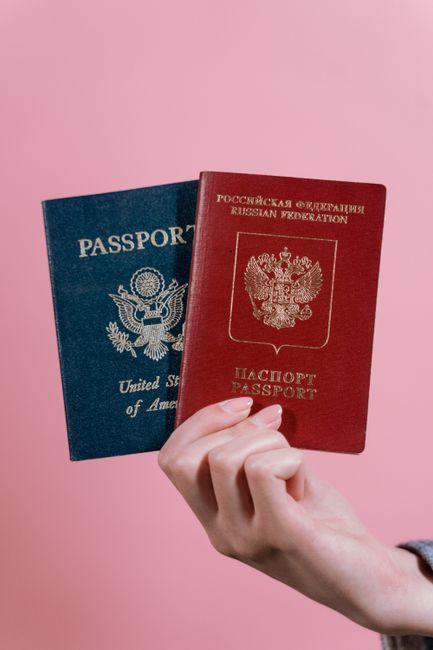
Crossing Borders Within the Self Exploring Identity When Two Passports Define You
Maria, born in Texas to Colombian parents, recalls the first time she held both her American and Colombian passports side by side. It was a moment charged with pride and confusion-two identities neatly folded in her hands but not always so harmoniously balanced in her daily life. At family gatherings, she noticed subtle shifts in language, humor, and cultural expectations that made her feel simultaneously at home and adrift. She often faced questions like, “Where are you really from?” or “Which country do you feel you belong to?” These moments underscored a delicate negotiation between her two worlds. Navigating dual citizenship meant more than legal status; it required reconciling conflicting narratives of self-one shaped by American ideals of individuality and opportunity, the other steeped in Colombian values of community and tradition.
Key moments of decision often emerge unexpectedly and demand more than just bureaucratic choices-they challenge identity itself. For example, when choosing which passport to use for travel, Maria found that each carried weight beyond convenience. Using her American passport at the U.S. airport was a straightforward process, yet presenting her Colombian passport often resulted in warmer exchanges abroad and a deeper sense of connection. This duality taught her vital lessons:
- Identity isn’t static: It evolves depending on context, community, and even mood.
- Legal recognition differs from emotional affiliation: A passport declares citizenship, but it doesn’t encapsulate cultural belonging.
- Experiencing contrast fosters self-awareness: The tension between two nations’ expectations can ultimately clarify personal values.
| Expectation | Reality |
|---|---|
| A single, clear-cut sense of belonging | A fluid blend of identities that shift with situations |
| Citizenship defines identity | Identity is informed by, but separate from, legal status |
| Practicing dual citizenship is strictly a logistical matter | It’s an ongoing emotional and cultural journey |
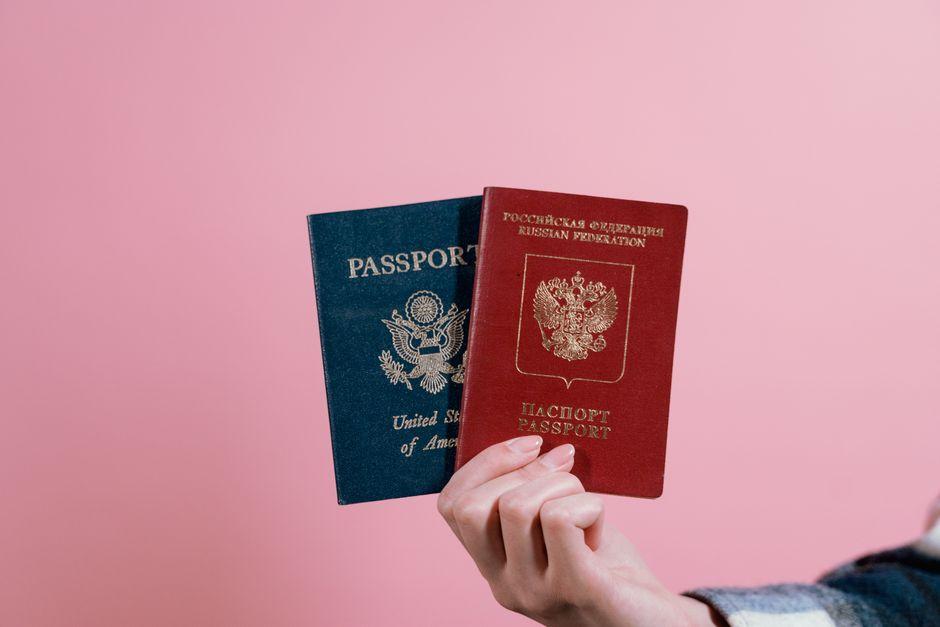
Balancing Legal Labyrinths Understanding the Practical Hurdles of Dual Citizenship
When Maria, born and raised in Texas with Mexican heritage, first explored dual citizenship, she envisioned a seamless bridge connecting her two worlds. However, her journey quickly revealed the tangled web of legal requirements and bureaucratic nuances tied to holding citizenship in both countries. The challenge wasn’t just about filing forms; it was about navigating conflicting laws that many are not prepared for. For instance, while the U.S. recognizes dual citizenship, some countries impose strict rules regarding taxes, mandatory military service, or renouncing previous citizenships. Maria found herself at a crossroads when Mexico’s tax authority required detailed financial disclosures-a surprise she had not anticipated. Her story underscores how understanding these legal landscapes before committing can save both time and heartbreak.
Every decision point in dual citizenship often comes loaded with unexpected trade-offs. Take the example of James, a software developer who balanced his American identity with his newly acquired Irish citizenship. James expected easy travel perks but soon realized that managing obligations in two countries-like filing taxes in both, understanding residency status, or handling passport renewals-was far more intricate than the glowing stories he had read online. The reality often contrasts with initial expectations, where bureaucratic delays and the need for legal advice became part of his routine. Here’s a quick glance at some practical hurdles many face:
- Tax complexities: Reporting income in multiple jurisdictions, understanding foreign-earned income exclusions, or avoiding double taxation.
- Military obligations: Some countries require conscription, posing tough decisions for dual residents.
- Legal documentation: Continuous updating of passports, visas, and notifying authorities can be time-consuming.
- Political rights and duties: Voting, jury duty, and civic responsibilities may differ widely.
| Expectation | Reality |
|---|---|
| Seamless travel with multiple passports | Frequent immigration inspections and clarifications required |
| Simple tax filing process | Double tax treaties and extra paperwork |
| Automatic recognition of status in both countries | Possible need to declare or prove status frequently |
Through these examples, it becomes clear that dual citizenship is less about an easy pass and more about ongoing vigilance, legal knowledge, and sometimes, tough compromises. The labyrinth might feel overwhelming, but with careful preparation, the practical hurdles can be anticipated and managed-turning the challenge of two passports into a meaningful symbol of belonging rather than a bureaucratic burden.
Tales from the Threshold Personal Stories of Cultural Collision and Harmony
When Maya first decided to pursue dual citizenship between the U.S. and India, she imagined a seamless blending of her two worlds-celebrations filled with both fireworks on July 4th and Diwali lights adorning her home. Yet, the reality was more complex. At her daughter’s school, a parent-teacher meeting stirred an unexpected challenge: her hesitance to openly discuss her extended family’s cultural practices because she feared misjudgment. In those moments, Maya realized that dual citizenship wasn’t just a legal status; it was a series of micro-decisions balancing cultural pride and societal acceptance. She learned that embracing both identities sometimes meant confronting assumptions, such as when a colleague questioned her “loyalty” to the U.S. during a politically charged discussion-forcing her to assert that dual citizenship enriches rather than dilutes her sense of belonging.
Across the ocean, Carlos faced a different turning point. As an American with Mexican dual citizenship, he anticipated fluency in both cultures would ease his navigation between them. Instead, he encountered unexpected friction during his first attempt to vote in Mexico while living in Texas. The bureaucracy didn’t just test his patience; it highlighted the stark contrasts between the countries’ political systems and civic expectations. Through this process, Carlos discovered vital lessons about patience and advocacy. He compiled detailed notes on navigating two electoral systems, later sharing them in community workshops to bridge knowledge gaps for others. His story illustrates that dual citizenship is less about immediate harmony and more about resilient adaptability-learning to respond wisely when familiar systems suddenly feel foreign.
- Key moments of cultural identity negotiation often arise in social or professional settings where belonging is questioned.
- Practical challenges such as voting procedures or legal documentation frequently serve as unexpected lessons in citizenship complexity.
- Community engagement can transform personal obstacles into opportunities for collective empowerment and understanding.
| Challenge | Expectation | Reality | Lesson |
|---|---|---|---|
| Cultural transparency in social settings | Open acceptance of both cultures | Hesitation and misunderstanding | Self-advocacy and selective disclosure |
| Voting rights engagement | Effortless dual participation | Procedural confusion and barriers | Patience and community education |
Lessons Drawn From Divided Loyalties Finding Clarity Amid Conflicting Expectations
Maria’s story is a vivid reflection of the internal tug-of-war many dual citizens face. Born in the U.S. to Mexican parents, she juggled the values and expectations of both cultures throughout her life. In college, when choosing whether to pursue a career closer to her family in Mexico or a high-pressure job in New York, Maria found herself caught between cultural loyalty and personal ambition. The lesson she drew wasn’t about choosing one side definitively, but about embracing the complexity: recognizing that dual citizenship often means navigating between two sets of expectations rather than fitting neatly into one. This meant setting boundaries, clarifying priorities, and being honest with herself about what she needed from each culture, rather than attempting to satisfy conflicting demands all at once.
Expectations from family, society, or even internalized identity can create a persistent sense of divided loyalty that often leads to stress and indecision. For example, John, an American-born citizen with Irish heritage, initially felt pressured to uphold certain traditions at home that felt out-of-step with his personal values in professional settings. Over time, he realized that the contradiction wasn’t a sign of failure but an opportunity to redefine what “loyalty” meant for him personally. From these moments of tension arise practical lessons:
- Prioritize your core values – Understanding which cultural aspects resonate most can guide decision-making without guilt.
- Communicate openly with family and peers – Honest conversations can manage expectations and reduce misunderstandings.
- Allow identity to evolve – Rather than feeling fragmented, dual citizens can view their experience as a dynamic integration rather than a static choice.
| Expectation | Common Result | Lesson Learned |
|---|---|---|
| Fulfill family cultural obligations | Feeling overwhelmed or torn | Set realistic boundaries to avoid burnout |
| Succeed professionally in “home” country | Guilt for perceived disloyalty to the other country | Define success on personal terms beyond cultural narratives |
| Maintain dual cultural identities | Feeling of identity splitting or confusion | Embrace identity as fluid and multifaceted |
Emerging Perspectives How Dual Citizens Shape and Are Shaped by Their Worlds
Consider Maria, who holds both American and Mexican citizenships. Raised in the U.S., she moved to Mexico to reconnect with her roots and work in environmental advocacy. Initially, Maria expected her dual citizenship to simplify her integration, but she quickly realized that the cultural nuances and bureaucratic processes challenged her assumptions. For instance, while her American background encouraged a straightforward, rule-oriented approach to policy, navigating Mexico’s more relational and flexible system required patience and adaptability. This tension shaped Maria’s professional and personal identity, blending pragmatism with empathy. Such moments illuminate how dual citizens often become bridges between contrasting realities, learning to oscillate between systems rather than choosing just one.
On the flip side, dual citizenship doesn’t only shape individuals; it also impacts the societies they engage with. Take the example of David, an American-Israeli entrepreneur who found that his bi-national perspective enabled him to foster innovative business ties between startups in Silicon Valley and Tel Aviv. His dual allegiance presented him with unique insights but also moments of conflict, such as negotiating intellectual property expectations or regional market sensitivities. These experiences highlight that dual citizens are not just passive recipients of their surroundings-they are active participants who reshape policies, cultural perceptions, and economic landscapes. Below is a brief overview of how dual citizens influence and are influenced by key areas:
- Identity Formation: Balancing heritage and lived experience leads to hybrid cultural identities.
- Policy Impact: Advocacy for inclusive laws reflects their complex needs.
- Economic Bridging: Facilitating cross-border entrepreneurship and innovation.
- Social Dynamics: Enriching communities through diverse perspectives.
| Aspect | Influence by Dual Citizens | Influence on Dual Citizens |
|---|---|---|
| Legal Systems | Push for more flexible nationality laws | Encounter with varying regulations and expectations |
| Cultural Norms | Introduction of hybrid cultural practices | Negotiation of identity tensions |
| Economic Markets | Cross-border business development | Access and challenge to local economic environments |
Closing Remarks
In the end, navigating the intricate path of dual citizenship as an American citizen is much like standing at the crossroads between two worlds-each offering unique promises, challenges, and identities. It requires more than paperwork and legal steps; it invites a thoughtful balance of allegiance, opportunity, and self-discovery. Whether embraced as a bridge or a balancing act, dual citizenship opens the door to a richer, more layered existence. As you venture forward in this complex journey, may you find clarity amid the complexities and forge a path that honors both sides of your story.




