In a world that is increasingly interconnected, the concept of belonging no longer fits neatly into a single passport or a solitary homeland. For many Americans, holding dual citizenship opens doors to a rich tapestry of cultural identities, legal obligations, and personal histories. Yet, this dual status also brings a unique set of challenges-negotiating loyalties, navigating complex legal landscapes, and reconciling disparate expectations. “Between Two Worlds: Navigating the Complex Realities of Dual Citizenship as an American” explores this intricate balance, illuminating the nuanced experiences of those who call two nations home and the subtle negotiations that define their everyday lives.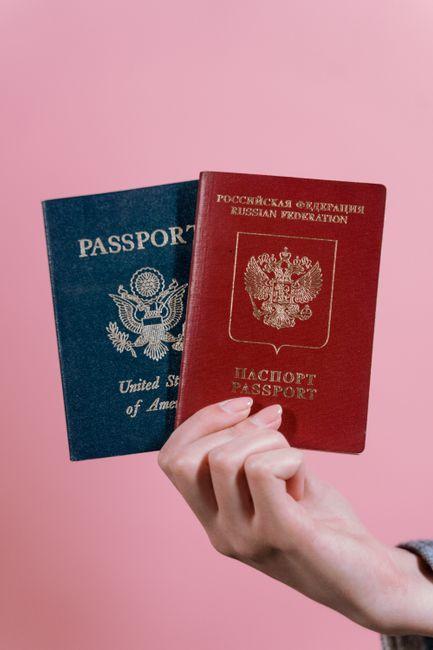
Balancing Allegiances in Everyday Life as a Dual Citizen
Maria, a dual citizen of the U.S. and Mexico, often finds herself navigating subtle yet meaningful moments of allegiance in her day-to-day life. For instance, when her children’s school celebrated national holidays, she felt immense pride explaining the significance of both the Fourth of July and Cinco de Mayo. Yet, these celebrations also sparked tough questions: Should she emphasize one country’s history over the other? In quiet reflections, she recognized that balancing these civic identities isn’t about choosing sides but about appreciating the unique lens each nationality offers her family. This balance became clearer during tax season, where she had to reconcile the differing fiscal expectations of two vastly different systems-strict American IRS guidelines clashing with Mexico’s nuanced tax policies. Each decision, while administrative, carried an emotional weight, revealing the layers of responsibility that come with holding two passports.
On weekends, John, a dual American-British citizen working in New York, often juggled allegiances in more nuanced ways. When friends celebrated American sports or political events, he would chime in with perspectives rooted in his British upbringing, sometimes surprising his peers with the contrast. Yet at times, this duality led to moments of isolation, where neither viewpoint felt entirely “home.” He recalls a family holiday in London coinciding with the U.S. midterm elections, where lively debates around democracy and governance underscored his internal balancing act. These experiences taught John a vital lesson: rather than expecting total allegiance to one nation’s identity, dual citizenship is a continuous dialogue-one that involves embracing complexity, acknowledging contradictions, and finding personal peace amid the sometimes competing ties.
- Unexpected tensions: Navigating differing cultural expectations in everyday social interactions.
- Administrative obligations: Managing varying legal and tax requirements without compromising either citizenship.
- Identity in flux: Embracing dual perspectives to enrich personal and familial narratives.
| Situation | Dual Citizenship Challenge | Lesson Learned |
|---|---|---|
| Celebrating national holidays with children | Balancing cultural pride without favoring one heritage | Recognize shared values and unique histories to build a richer family tradition |
| Tax filing for two countries | Managing complex and conflicting legal requirements | Patience and informed planning reduce stress and ensure compliance |
| Discussing politics with friends | Navigating divergent political views linked to citizenships | Use dual perspectives to foster empathy and insightful dialogue |
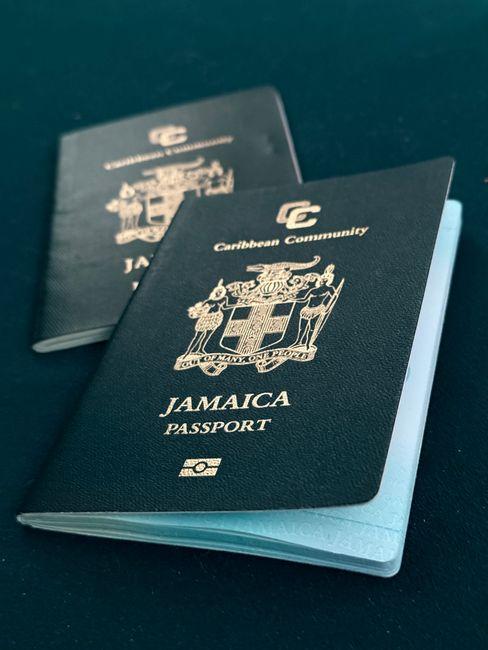
Unexpected Legal Crossroads and How They Reshape Identity
When Mia, a dual citizen of the U.S. and Italy, discovered she was suddenly subject to mandatory military service during a political shift in her Italian hometown, the clash between her two national identities became undeniable. What began as a seemingly straightforward obligation quickly blossomed into a labyrinth of legal nuances and personal reflection. For many dual citizens, the unexpected legal crossroads arise not just from formal requirements like taxes or military duties but from the everyday decisions that highlight the differing expectations of each nation. Should Mia comply, risking a delay in her U.S. career, or seek an exemption that could trigger legal scrutiny from Italian authorities? Such moments force a reevaluation of identity not as a fixed label but as a dynamic negotiation of values and responsibilities.
Consider the case of Jamal, whose U.S. passport allowed him visa-free travel to a country where his second citizenship complicated his legal standing upon arrival. Customs officials demanded documentation reflecting his other nationality, and Jamal found himself entangled in a process he hadn’t anticipated when he thought citizenship was a convenience. These unexpected legal demands can reshape how dual citizens see themselves, often highlighting the tension between national allegiance and practical existence. As these realities accumulate-from tax filings demanding disclosure of global assets to shifting naturalization laws-dual citizens learn to navigate a landscape where identity is continually tested. The lesson is clear: dual citizenship is less a static legal status and more an evolving dialogue between two worlds.
| Common Legal Crossroads | Potential Impact on Dual Citizens |
|---|---|
| Military conscription laws | Career disruptions, identity conflicts |
| Taxation on global income | Financial complexities, legal reporting obligations |
| Visa and travel restrictions | Frequent delays, additional documentation |
| Legal obligations to jury service or civic duties | Unexpected responsibilities, cultural dissonance |
Voices from the Borderlands of Two Nations
Maria grew up embracing two heritages: American by birth, Colombian by blood. When she turned 21, the initial excitement of holding dual citizenship was quickly tempered by a daunting reality-tax season. “I thought being a dual citizen would simply mean twice the opportunities, not twice the paperwork,” she recalls. Like many in her shoes, Maria had to navigate the maze of filing taxes both in the U.S. and Colombia, learning about Foreign Earned Income Exclusions and the complexities of the Foreign Bank Account Report (FBAR). Her story is far from unique; numerous dual citizens find themselves caught between contrasting legal systems and financial obligations, a constant balancing act where a missed deadline can have significant consequences.
Then there is Daniel, whose experience illustrates the emotional crossroads embedded in dual citizenship. Raised in the U.S. but with deep familial ties to Mexico, he faced a life-altering decision when both countries required military service in different ways. His expectation was straightforward: dual citizenship meant freedom to move and choose his allegiance. Instead, he found himself wrestling with questions of identity versus duty-should he fulfill the obligations of one country before the other, or seek an exemption that could strain family relationships? Through Daniel’s journey, we see how dual citizenship is more than just a legal status; it’s an ongoing negotiation of values, responsibilities, and belonging that doesn’t always match the rosy ideals many initially envision.
- Common challenges shared by dual citizens at the borders of two nations:
- Complex tax filings and financial disclosures
- Conflicting legal responsibilities, such as military service or jury duty
- Navigating cultural expectations and personal identity
- Travel and immigration nuances, including visa requirements and residency rules
| Expectation | Reality |
|---|---|
| Seamless global mobility | Often complicated by visa restrictions and residency stipulations |
| Uncomplicated financial benefits | Dual tax obligations and reporting duties |
| Clear national allegiance | Emotional and legal conflicts in citizenship duties |
Finding Stability Amid Cultural and Bureaucratic Tensions
Maria, a dual citizen of the U.S. and Spain, found her first real test of navigating bureaucratic tension when renewing her American passport while living in Madrid. The U.S. Embassy required documents that she assumed weren’t necessary since she had already naturalized in Spain. Upon arrival, the rigid list of what was accepted clashed sharply with her preparation, leaving her frustrated and scrambling for missing proofs. This scenario, common among many dual citizens, highlights the delicate balance of patience and proactivity needed. It’s a vivid reminder that bureaucracy often mirrors cultural priorities-a formality and documentation rigor typical in American institutions contrasts with the more flexible, relationship-driven processes in Spain. Learning to anticipate and respect these differences is key to finding stability, as is the realization that *knowing which rules to follow, when, and where* often makes all the difference.
Consider the practical steps that emerge from such experiences:
- Detailed preparation: Always check both countries’ official resources and consular websites, but verify in person if possible-the rules can shift unexpectedly.
- Local networking: Building connections with other dual citizens or local expat groups can illuminate unspoken norms and bureaucratic nuances.
- Flexible mindset: Accept that some processes will be slower or more complex, and rigidity in expectations only increases frustration.
| Expectation | Reality |
|---|---|
| Seamless, online-centric processes for passport renewal. | Multiple in-person visits and submission of original paper documents. |
| Bureaucracy as a straightforward, rule-based system. | Procedures influenced by personal rapport and cultural expectations. |
Ultimately, dual citizens like Maria often learn that stability isn’t about eliminating these tensions but managing them with informed patience and adaptability. The ability to hold space between contrasting expectations, adjusting without losing sight of one’s identity or rights, becomes the quiet power in living-and thriving-between two worlds.
Personal Growth Through the Challenges of Dual Loyalty
Maria, born to an American father and a French mother, found herself at a unique crossroads after obtaining dual citizenship. When faced with the choice of whether to serve in the U.S. National Guard or pursue her career in France, she had to navigate not only the legalities but the emotional weight of divided loyalty. The decision wasn’t just professional-it was deeply personal. She realized quickly that dual citizenship often demands more than balancing paperwork; it requires ongoing self-reflection about identity and priorities. Initially, Maria expected a straightforward path but soon encountered moments where her two worlds’ expectations clashed-like when family celebrations overlapped or political opinions sharply diverged. These moments challenged her to develop flexibility and empathy, enabling her to grow beyond a binary sense of belonging.
Such experiences highlight key lessons for anyone navigating dual citizenship:
- Embracing complexity: Understanding that allegiance isn’t always absolute but a spectrum shaped by evolving contexts.
- Decision resilience: Developing confidence to make difficult choices, knowing they may disappoint one side but are necessary for personal integrity.
- Cultural synthesis: Leveraging the rich blend of perspectives to enhance problem-solving and relationship-building skills.
| Expectation | Reality | Personal Growth |
|---|---|---|
| Dual citizenship as a simple benefit (travel, work) | Emotional and ethical dilemmas during divided moments | Heightened self-awareness and adaptability |
| Seamless cultural integration | Frequent moments of cultural friction | Improved empathy and conflict-resolution skills |
| Clear national identity | Fluid, evolving sense of belonging | Acceptance of identity complexity and nuance |
Future Outlook
In the delicate dance between two homelands, dual citizenship presents a tapestry woven with both challenges and opportunities. For Americans navigating this complex identity, it is less a simple choice and more an ongoing journey-one that shapes not only legal status but personal understanding, cultural connection, and a broadened worldview. As the world grows ever more interconnected, embracing the duality of citizenship invites a nuanced perspective that transcends borders, reminding us that identity, like the spaces we inhabit, is rarely confined to just one place.