
In an increasingly interconnected world, the allure of calling multiple places “home” has transformed from a distant dream into a tangible possibility. The pursuit of investment citizenship-a complex exchange where financial commitment meets the promise of new passports-has reshaped notions of identity, opportunity, and belonging. Yet, beyond the glossy brochures and enticing benefits lies a nuanced journey filled with difficult choices, unforeseen trade-offs, and profound questions about what it truly means to cross borders. This article explores the intricate landscape of investment citizenship, illuminating the motivations, challenges, and realities faced by those who venture beyond borders in search of more than just a new address.
Crossing Thresholds and Weighing Opportunities in Global Investment Migration
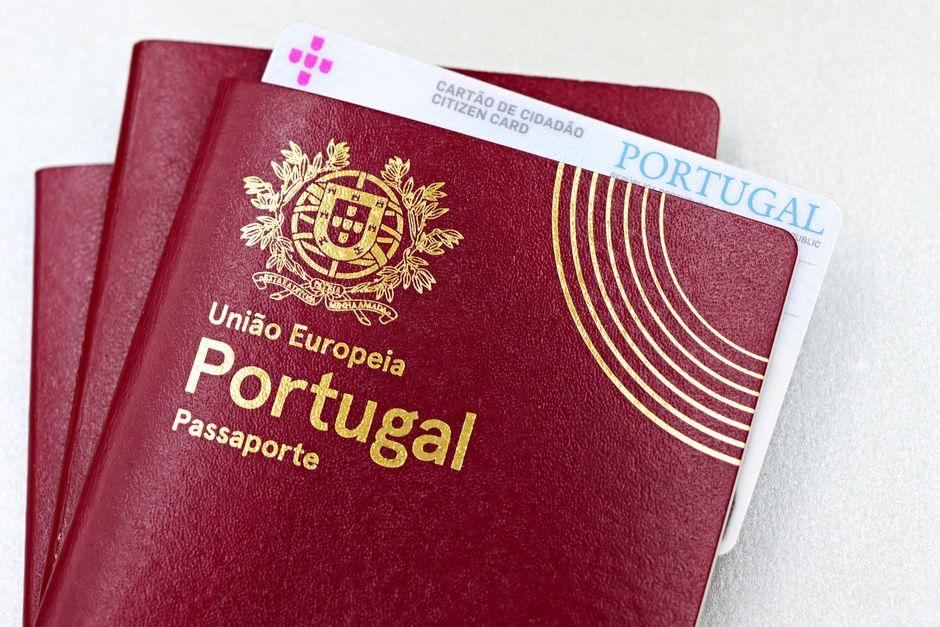
When Maria first considered investment migration, the promise of a new passport seemed straightforward-a smooth ticket to global mobility and business expansion. Yet, stepping across the threshold into this realm often reveals a labyrinth of complex decisions. Take, for example, a family from Brazil who pursued citizenship-by-investment in Portugal aiming for easier access to European markets. Their initial enthusiasm was tempered by unexpected residency requirements and prolonged processing times, forcing them to weigh whether the anticipated benefits justified the lifestyle shifts and financial outlay. Such stories underscore the critical importance of thoroughly understanding not just the headline perks, but the nuanced obligations-such as minimum stay conditions, tax implications, and integration expectations-that accompany each program.
From these crossroads emerge vital lessons. Prospective investors frequently grapple with the tension between short-term gains and long-term value, often confronting situations where the allure of a favorable investment route clashes with legal intricacies or geopolitical risks. For instance, a tech entrepreneur from Southeast Asia found that while citizenship in a Caribbean state expedited visa-free travel, it did not confer the business freedoms or access to financial systems initially anticipated. The decision matrix involves juggling factors like:
- Investment thresholds: varying significantly between countries and asset classes
- Residency requirements: balancing physical presence against global mobility
- Regulatory landscapes: stability and transparency influencing risk appetite
- Family inclusivity: coverage for dependents and future generations
| Program | Minimum Investment | Residency Requirement | Visa-Free Travel |
|---|---|---|---|
| Portugal Golden Visa | €500,000 (Real estate) | 7 days/year minimum | Schengen Zone + 180+ |
| St. Kitts and Nevis Citizenship | $150,000 (Donation) | None | ~150 countries |
Ultimately, crossing these thresholds requires more than capital-it demands careful due diligence and a readiness to navigate shifting geopolitical landscapes. The real journeys involved don’t simply start and end at immigration checkpoints but unfold in how investors adapt their expectations and strategies to align ambition with the realities of global investment migration.
Navigating Legal Complexities and Cultural Adjustments on the Path to New Citizenship
When Ana and Carlos first embarked on their journey to secure citizenship through investment, the allure of a new passport felt straightforward-an elevated status and broader business opportunities. Yet, they quickly realized that beneath this surface lay a dense weave of legal hurdles and cultural shifts. Ana’s initial misunderstanding of residency requirements, for example, caused delays that extended their timeline by months. Meanwhile, Carlos grappled with the subtle but persistent need to alter his business practices to meet local regulations. These realities highlight a crucial lesson: understanding the legal framework is more than just paperwork-it is about aligning your personal and professional life with the host country’s expectations. Each application process is unique, and legal advisors often become the unsung heroes guiding families and entrepreneurs through this maze.
- Case Point: Misinterpretation of tax residency rules can lead to unexpected financial liabilities.
- Decision Moment: When to relocate physically versus when to maintain primary business operations abroad.
Cultural adjustments often pose challenges that catch even seasoned travelers off guard. Take the story of Leila, who expected a seamless integration into a Mediterranean island community thanks to her investment. Instead, she found that everyday interactions-language barriers, local customs, and social expectations-were far more complex than anticipated. The initially stark contrast between her expectations and on-the-ground reality forced her to adopt a more patient, immersive approach. She joined local clubs, learned the language, and embraced the community’s rhythms. This experience underscores a valuable insight: investment citizenship is not merely a legal transaction, but a personal journey requiring openness and adaptation.
| Expectation | Reality |
|---|---|
| Instant social acceptance and easy integration | Gradual cultural immersion and learning curve |
| Quick business setup with minimal compliance hurdles | Careful navigation of local laws and ongoing adjustments |
| One-time application process | Continuous engagement with both legal and social frameworks |
Case Studies of Families and Entrepreneurs Redefining Belonging and Economic Security
- The Rodriguez Family’s Balancing Act: The Rodriguezes, originally from Venezuela, pursued investment citizenship primarily to secure their children’s future amid political instability. Opting for citizenship in Portugal through real estate investment, they envisioned a seamless transition for their family into the EU-with access to education and healthcare. However, the reality proved complex. While the children quickly adjusted to schools and local culture, the parents encountered unexpected challenges integrating their professional lives. Local licensing requirements and language barriers limited immediate employment opportunities, prompting the family to reconsider their initial timeline for full economic integration. Their experience underscored a key lesson: investment citizenship can open doors, but real belonging-and economic security-often demands patience and adaptive strategies beyond the citizenship papers themselves.
- Entrepreneur Raj’s Strategic Pivot: Raj, a tech entrepreneur from India, sought investment citizenship in Malta to gain easier market access in Europe and diversify his business interests. Initially, Raj focused on the quantifiable benefits: visa-free travel, tax incentives, and a new legal residency. However, he soon realized that the entrepreneurial ecosystem’s nuances-such as local consumer behaviors and regulatory environments-required more than passive benefits. His decision point came when his Maltese venture struggled with customer trust and brand recognition. By engaging deeply with local partners and cultural nuances, Raj transformed from a transient investor mindset to a rooted entrepreneur, leading to sustainable growth. The experience highlighted how economic security tied to investment citizenship often demands embracing new social fabrics as actively as financial investments.
| Aspect | Rodriguez Family | Raj (Entrepreneur) |
|---|---|---|
| Primary Motivation | Secure children’s future, stable lifestyle | Business expansion, market access |
| Location Chosen | Portugal | Malta |
| Unexpected Challenge | Professional integration delays | Building local trust and brand awareness |
| Key Lesson | Belonging requires more than paperwork; social integration is vital. | Economic success depends on cultural adaptation and local relationships. |
Balancing Economic Gains with Ethical Considerations in Investment Citizenship Programs
In the evolving landscape of investment citizenship programs, the lure of rapid economic gains often collides with complex ethical considerations. Take, for example, a small Caribbean island that introduced a citizenship-by-investment scheme aiming to rejuvenate its tourism sector. Initially, government officials heralded the influx of capital as a win-win: foreign investors received valuable passports, while infrastructure projects flourished. However, as stories emerged of investors exploiting loopholes for money laundering or failing to contribute meaningfully to the local community, public sentiment shifted. This prompted a critical reassessment of the program’s oversight mechanisms. Were the economic benefits truly outweighing the risks of reputational damage and potential erosion of sovereignty? The island’s authorities had to navigate a delicate balancing act-tightening screening processes and increasing transparency, even at the cost of slower investment inflows, to uphold integrity and safeguarding national interests.
Such dilemmas underscore that investment citizenship is rarely a straightforward equation of profit versus principle. Consider this simplified comparison of expectations versus outcomes in a European country’s initiative:
| Expectation | Outcome |
|---|---|
| Attract high-net-worth individuals eager to integrate and stimulate innovation | Some investors treated passports as commodities, maintaining minimal social or economic ties |
| Boost local employment through injected capital | Job creation was limited as many investments focused on real estate speculation |
| Enhance global reputation as a forward-thinking open economy | Heightened scrutiny from international watchdogs raised concerns over due diligence |
- Decision points: Strengthening background checks, enforcing residency requirements, and increasing community engagement metrics.
- Lessons learned: Transparent governance processes and clear ethical frameworks are crucial to sustaining credibility and long-term benefits.
Reflecting on Long Term Impact and Unexpected Outcomes Beyond the Initial Promise
- A family from South Asia once pursued investment citizenship with the hope of a seamless transition to superior education and healthcare for their children. Initially, the promise seemed fulfilled: reduced visa hassles, access to prestigious schools, and a new healthcare system. Yet, years later, they found the local cultural nuances and professional networks more challenging to navigate than expected, resulting in slower integration and unexpected social isolation. Their anticipated fluid mobility gave way to complex identity negotiations, as the children balanced multiple national ties with little belonging. This shift highlights a key lesson: long-term impact extends beyond paperwork to the deeply human costs and adaptations embedded in resettlement.
- Contrastingly, a tech entrepreneur from Eastern Europe invested in citizenship primarily for business agility and global networking opportunities. The immediate benefits-visa-free travel and tax advantages-met expectations, but the unforeseen was the administrative burdens of maintaining two residencies and the emotional toll of divided loyalties during political upheavals in both countries. His experience revealed how financial calculus often neglects socio-political volatility, which can upend even the most carefully calculated advantages. Below is a brief overview of initial promises versus actual outcomes in common domains:
| Domain | Initial Promise | Unexpected Outcomes |
|---|---|---|
| Mobility | Ease of travel and multiple passports | Complex visa requirements still apply; emotional strain of global displacement |
| Financial Benefits | Tax optimization and investment growth | Double taxation risks; managing multiple regulatory frameworks |
| Social Integration | Rapid integration into new society | Language barriers and cultural isolation |
| Identity | Enhanced personal freedom and identity expansion | Conflicted loyalties and challenges to sense of belonging |
The Conclusion
As the world grows ever more interconnected, the pursuit of investment citizenship stands as a testament to the evolving dance between opportunity and sacrifice. Beyond borders, individuals navigate not only geographical lines but also personal values, ambitions, and compromises, crafting unique narratives that blur the boundaries of identity and belonging. In this quest, the allure of new horizons is inseparable from the trade-offs inherent in crossing them-reminding us that every passport held is more than a document; it is a journey woven from the aspirations and complexities of our global age.




