
In a world increasingly defined by its lines on a map, the pursuit of a second citizenship offers more than just a change of address-it promises a fresh chapter, a new identity, and a doorway to untold opportunities. Yet, behind the glossy brochures and enticing headlines lies a complex tapestry of motivations, challenges, and personal stories that traverse far beyond mere legal paperwork. “Beyond Borders: The Real Journeys Behind Seeking a Second Citizenship” invites you to explore the deeper human experiences, the hopes, fears, and aspirations that shape this modern quest. This is not simply about acquiring a passport; it’s about crossing invisible frontiers within ourselves and redefining what it means to belong.
Paths Carved by Hope and Necessity in the Quest for New Belonging
For many, the decision to seek a second citizenship is often less about prestige and more about quite pragmatic, deeply personal factors. Take Ana, a young entrepreneur from Venezuela, who found her dreams stifled by economic instability and political unrest. With mounting uncertainty clouding her future, she chose to pursue citizenship in Portugal-drawn not just by the country’s robust economy but the hope for safety, education for her children, and a fresh start. Her path was shaped by stark contrasts: what she expected was a seamless gateway to opportunity; what she encountered was a complex maze of paperwork, waiting periods, and moments of doubt that tested her resolve. Ana’s story illustrates the often-unseen emotional layers behind this quest-where hope is the fuel, but necessity often carves the true path forward.
Similarly, consider Michael, a middle-aged professional from the UK who sought a second passport to safeguard his family’s future post-Brexit. His journey unfolded against a backdrop of geopolitical shifts and personal recalibration. While initially motivated by financial and mobility advantages, Michael soon realized that citizenship carries cultural and emotional dimensions beyond the legal benefits. The decision brought unexpected challenges like redefining identity and confronting the realities of integrating into a new society. These dual forces of aspiration and necessity reveal common lessons:
- Expectations vs. Reality: The process often demands patience and adaptation beyond initial plans.
- Practical Challenges: Navigating bureaucracy and legal criteria can be as daunting as the underlying reasons prompting the application.
- Personal Transformation: Citizenship isn’t just a document-it’s a reorientation that reshapes belonging and self-perception.
| Case | Primary Motivation | Unexpected Realization |
|---|---|---|
| Ana (Venezuela to Portugal) | Safety & Future Stability | Emotional resilience & bureaucratic endurance required |
| Michael (UK to Ireland) | Mobility & Economic Security post-Brexit | Cultural integration challenges & shifting identity |
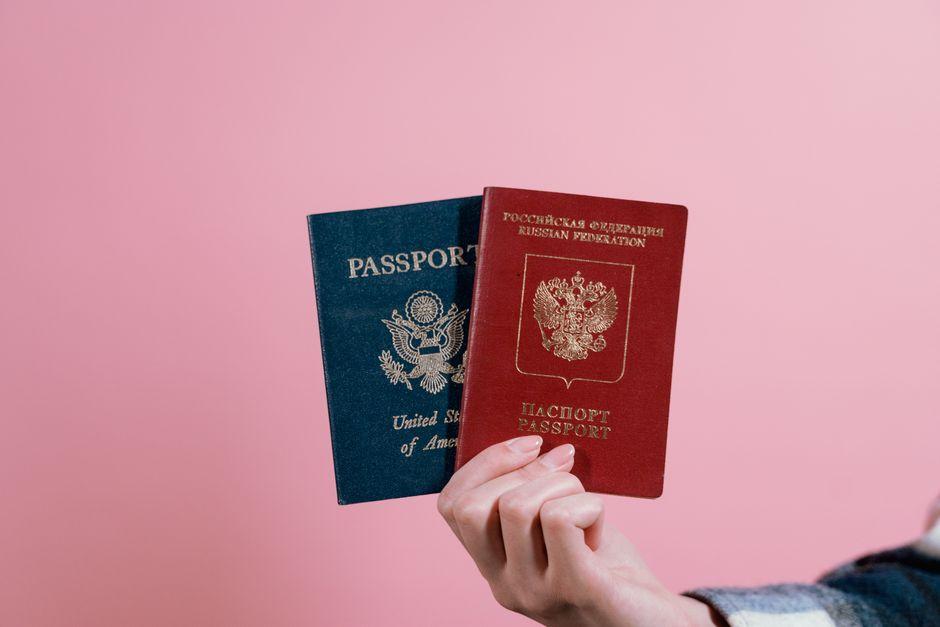
Navigating Legal Labyrinths and Personal Sacrifices on the Road to Dual Citizenship
When Anna first set out to obtain dual citizenship, she envisioned a seamless process-a few signatures here and there, some paperwork, and then the freedom to live and work unrestricted abroad. Reality, however, proved far more complex. Months of navigating dense legal jargon and fluctuating requirements forced her into a role she had never anticipated: amateur legal investigator. She found herself digging into country-specific regulations, confronting unexpected bureaucratic red tape, and sometimes, closing doors she didn’t even know existed. It wasn’t just about the legal documents; it was about understanding subtle nuances like residency rules, tax implications, and even the potential risk of losing her original citizenship. Anna’s experience revealed the critical importance of patience and adaptability amid the maze of immigration law.
- Unpredictable Timelines: What seemed clear-cut on a government website often stretched into months or even years, with sporadic updates adding to uncertainty.
- Financial and Emotional Costs: Legal fees onboarded unexpectedly, and the emotional toll of waiting and constant follow-ups weighed heavily.
- Personal Sacrifices: Anna had to pause career advancements and delay family plans, illustrating how pursuit of dual citizenship is often a dip into the unknown.
Consider the contrast of Raj’s story, who moved forward optimistically, expecting simultaneous approvals in both his home and target countries. Instead, his journey turned into a lesson of compromise. A critical decision moment arrived when he had to choose between relinquishing his original passport or risking legal consequences due to dual citizenship conflicts in his birth nation. Here, the clash between expectations and reality became stark. Raj’s table below highlights some of the trade-offs to weigh carefully:
| Aspect | Expectation | Reality & Lessons |
|---|---|---|
| Legal Clarity | Clear, consistent rules | Inconsistent interpretations, changing laws |
| Timeframe | 6-12 months | 18+ months, often unpredictable |
| Emotional Impact | Minimal stress | High anxiety, need for resilience |
| Personal Sacrifice | Smooth transition | Career and family adjustments |
Moments of Reckoning When Choices Define More Than a Passport
When Maria left Venezuela, she wasn’t just chasing a new passport; she was in pursuit of stability for her young daughter. The moment she had to decide between a country offering fast-track citizenship but limited social security and another with slower processes but robust healthcare and education hit harder than she expected. The choice wasn’t simply bureaucratic-it was deeply personal. Her story mirrors many who learn quickly that a second citizenship isn’t an instant fix but a new chapter defined by trade-offs and long-term consequences. Those decision points-balancing speed versus security, cost versus opportunity-are often where expectations meet the complex reality of migration.
Take Aiden, an entrepreneur from Ireland, who sought citizenship in a Caribbean nation largely for business mobility. He imagined seamless travel and tax advantages, only to discover that local regulations, community ties, and unexpected cultural hurdles made integration more challenging than anticipated. This contrast between expectation and lived experience underscores a vital lesson for many: second citizenship is less about crossing a line and more about navigating a new landscape. Ultimately, these moments of reckoning redefine not just where individuals can go, but who they become along the way.
- Speed vs Stability: Fast citizenship routes can sacrifice social benefits.
- Economic Opportunity vs Integration: Business mobility doesn’t guarantee cultural fit.
- Expectations vs Reality: The ideal often meets unforeseen challenges requiring resilience.
| Scenario | Expectation | Reality | Lesson Learned |
|---|---|---|---|
| Maria’s Choice | Quick access to citizenship | Slower processes, better social support | Long-term stability outweighs speed |
| Aiden’s Move | Seamless business expansion | Complex cultural & legal adjustment | Mobility isn’t just about documents |
Stories of Unexpected Friendship and Cultural Bridges Forged Abroad
When Sara, an engineer from Jordan, decided to pursue citizenship in Portugal, she wasn’t just chasing paperwork or passports; she was unknowingly opening a door to a world of unexpected friendships and cultural exchanges. Initially, Sara imagined her new life would be mostly about adapting to legal requirements and professional landscapes. Yet, her Saturday mornings turned into vibrant community gatherings where locals and expats mingled over homemade feijoada or pastel de nata, stories blending just as seamlessly as ingredients in these dishes. It was in one of these informal settings that she met Miguel, a retired fisherman who spoke little English but understood deeply the feeling of seeking belonging in a rapidly changing world. Their bond grew steadily, rooted in shared coffee rituals and exchanged life lessons, illustrating how second citizenship often means more than legal status-it’s about weaving a multicultural tapestry of human connection.
Contrast this with Luis, a Brazilian who chose to obtain citizenship in Japan for primarily practical reasons: career opportunities and stability. While he anticipated a detached, formal process, the reality brought him near to a vibrant network of support-locals who went beyond welcoming him to mentorship roles, helping him navigate cultural nuances like bowing etiquette and seasonal festivals. His journey revealed the profound personal growth underlying bureaucratic decisions. The unexpected friendships Luis formed challenged the stereotype of Japan as a closed society and showcased how shared rituals, such as hanami picnics under blooming cherry trees, can become unifying experiences. These stories underscore how second citizenship ventures frequently kindle bridges that cross not only political boundaries, but the isolation that often comes with moving abroad.
- Sara & Miguel: From a shared coffee table to friendship that transcends language barriers.
- Luis & Local Mentors: Cultural integration through active community involvement and mutual respect.
| Expectation | Reality | Lesson Learned |
|---|---|---|
| Citizenship as a functional, legal process | Citizenship as a catalyst for deep social bonds | Legal status alone can’t define belonging; personal relationships matter |
| Cultural adaptation is purely individual effort | Community plays a pivotal role in integration | Integration flourishes best within supportive social ecosystems |
New Horizons or Complex Compromises The Lasting Impact of a Second Homeland
When Maria moved from Brazil to Portugal, her dreams were painted with vibrant hues of opportunity and a fresh start. She envisioned seamless integration into a welcoming society, broader professional horizons, and a passport granting her the freedom to explore Europe with ease. Yet, the reality unfolded in layers far more complex. The initial thrill of obtaining her second citizenship brought new bureaucratic challenges-tax obligations, property regulations, and cultural nuances that required continuous adaptation. Maria’s story mirrors that of many who, though hopeful for new beginnings, discover that a second homeland is not merely a trophy but a complex ecosystem involving legal, emotional, and practical recalibrations. The compromises, such as occasional homesickness and navigating dual identities, taught her resilience and a deeper understanding of what “belonging” truly entails.
Consider also the case of Ahmed, who secured citizenship in a Gulf country primarily for economic benefits. His decision was data-driven, focusing on fewer visa restrictions and improved business prospects. However, the unforeseen cultural expectations and limitations on political participation challenged his sense of citizenship as full belonging. In hindsight, Ahmed realized that the promise of a second passport often comes with intangible costs that were not clear at the outset. These nuanced experiences highlight crucial lessons for anyone contemplating a similar path:
- Expect continuous learning: A second citizenship introduces ongoing responsibilities beyond travel freedom, including legal and financial commitments.
- Embrace the dual identity: Navigating between two cultures requires openness and adaptability, sometimes requiring sacrifices in personal or social spheres.
- Assess the intangible costs: Political and social integration may lag behind legal status, affecting a sense of true belonging.
| Expectation | Reality | Key Takeaway |
|---|---|---|
| Easy access to new markets and labor mobility | Complex tax and residency regulations | Seek expert advice to avoid pitfalls |
| Seamless cultural integration | Periodic cultural adjustment and identity negotiation | Build supportive networks to ease transition |
| Full social and political participation | Legal citizenship may not equal social inclusion | Engage actively in community efforts for better integration |
In Retrospect
As the sun sets on the stories of those seeking a second citizenship, it becomes clear that these journeys are about more than just stamps in a passport. They reflect a deeper quest for security, identity, and opportunity-an intricate dance between personal dreams and global realities. Beyond borders, the pursuit of a new nationality unfolds as a mosaic of hope and resilience, reminding us that in a world increasingly defined by connection, the notion of home is both fluid and profoundly personal. In the end, the real journeys lie not just in crossing physical boundaries, but in navigating the complexities of belonging and selfhood across nations.




