In an increasingly interconnected world, the threads that bind families often stretch across borders, cultures, and languages. “Bridging Bonds: Navigating the Path of Family Immigration” delves into the complex and deeply personal journey of uniting loved ones through legal and emotional landscapes. This exploration sheds light on the challenges and triumphs faced by families seeking to rebuild connections far from home, illuminating the delicate balance between policy and personal ties. Whether driven by hope, necessity, or the promise of a shared future, the path of family immigration is a testament to resilience, commitment, and the enduring power of togetherness.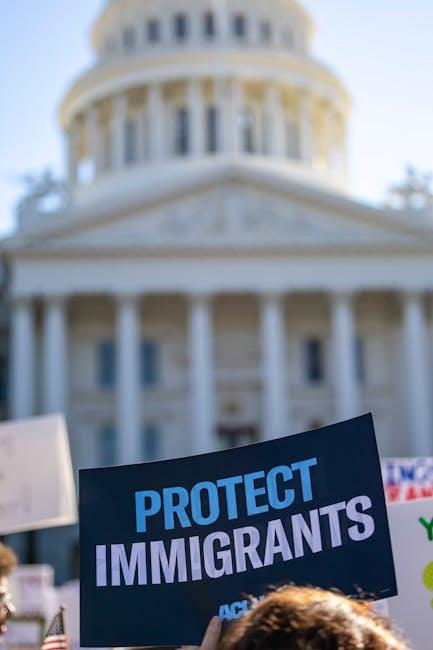
Understanding the Foundations of Family Immigration Policies
Family immigration policies are intricately crafted frameworks aimed at maintaining the social fabric by allowing relatives to reunite across borders, while simultaneously protecting national interests. These policies often prioritize immediate family members such as spouses, minor children, and parents, recognizing the fundamental societal role families play. Behind the scenes, governments balance humanitarian concerns with security, economic impact, and cultural integration, creating a complex mosaic that shapes who can join their loved ones abroad.
The foundational elements of family immigration can be categorized into several key aspects:
- Eligibility Criteria: Defines which family members qualify based on relationships and age.
- Application Process: Involves documentation, interviews, and sometimes waiting periods.
- Quota and Caps: Limitations on the number of visas or permits issued annually.
- Legal Rights: Determines work authorization, access to healthcare, and education for immigrant family members.
| Policy Element | Purpose | Common Challenges |
|---|---|---|
| Eligibility | Ensures genuine family ties | Verification and fraud prevention |
| Application | Standardizes the process | Lengthy wait times |
| Quota Limits | Controls immigration flow | Backlogs and prioritization stress |

Overcoming Common Legal Challenges in Family Sponsorship
Legal hurdles often emerge as unexpected roadblocks on the journey to reunifying families across borders. From proving eligibility to navigating complex documentation, many applicants find themselves mired in bureaucratic intricacies that delay or even derail their sponsorship dreams. Key challenges include dealing with strict income requirements, responding promptly to requests for additional information, and overcoming previous visa refusals or inadmissibility issues. Understanding these pain points early can empower sponsors and applicants to address them proactively with meticulous preparation and professional guidance.
Effective strategies to tackle these challenges focus on thorough documentation and clear communication with immigration authorities. Consider the following crucial tips:
- Organize all financial records to demonstrate compliance with minimum income thresholds smoothly.
- Maintain open channels for correspondence to avoid delays from missed deadlines or unanswered queries.
- Consult immigration experts to craft responses that address past refusals or legal complexities efficiently.
| Common Challenge | Practical Solution |
|---|---|
| Income Verification | Compile tax returns & employment letters early |
| Document Gaps | Request certified translations and notarized copies |
| Previous Visa Refusals | Prepare detailed explanation letters with legal advice |
Cultivating Emotional Resilience During the Immigration Journey
Building emotional fortitude during the upheaval of relocating begins with acknowledging the natural waves of uncertainty and hope that accompany the process. Families often find themselves navigating a labyrinth of paperwork, cultural shifts, and social adjustments, all of which can stir a complex blend of anxiety and excitement. Embracing mindful practices like journaling or meditation can serve as anchors, offering moments of clarity amid the chaos. Additionally, fostering an environment where each family member can openly express fears and aspirations helps transform challenges into collective strength.
It’s essential to cultivate a toolkit of supportive actions that nurture resilience on this journey. Consider these foundational elements:
- Open Dialogue: Encourage honest conversations to reduce feelings of isolation.
- Routine Establishment: Creating daily rituals offers a sense of normalcy and control.
- Community Connection: Engaging with local immigrant groups can foster belonging and guidance.
- Self-Compassion: Recognizing the emotional toll and permitting space for self-care.
| Emotional Challenge | Resilience Strategy |
|---|---|
| Fear of the Unknown | Mindful Breathing & Planning |
| Loneliness | Building a Support Network |
| Identity Shifts | Cultural Sharing & Reflection |
| Stress | Regular Physical Activity |
Strategic Steps to Strengthen Your Application Process
Embarking on the journey of family immigration demands more than just filling out forms—it calls for a thoughtfully orchestrated plan. Start by gathering comprehensive documentation that not only meets requirements but also tells your unique story. Keep everything organized using clearly labeled folders or digital archives, ensuring that each piece, from birth certificates to affidavits, stands ready to verify your claim. Pay close attention to detail, as small inconsistencies can create unnecessary hurdles. Leveraging checklists can help keep the process transparent and manageable, allowing you to track progress step by step with confidence.
Understanding the timeline and expectations of each phase can transform uncertainty into clarity. Here’s a quick reference for typical waiting periods in family immigration applications:
| Application Stage | Estimated Duration |
|---|---|
| Initial Submission | 2 – 4 weeks |
| Background Check | 4 – 8 weeks |
| Interview Scheduling | 6 – 12 weeks |
| Final Decision | 8 – 16 weeks |
- Maintain communication with your immigration advisor and be proactive about updates.
- Prepare for interviews by anticipating questions and organizing answers clearly.
- Stay informed about policy changes to avoid surprises during the process.
Building Support Networks for a Smooth Transition
Establishing a network of support is essential when navigating the complexities of family immigration. Connecting with community groups, cultural organizations, and local support services can create a safety net that eases the strain of adjusting to a new environment. These networks offer more than just practical advice—they provide emotional reassurance, a sense of belonging, and opportunities to celebrate shared traditions, fostering a deeper connection to your new home.
To build these bonds effectively, consider:
- Joining local immigrant support groups that offer resources tailored to families.
- Participating in cultural events and festivals to maintain heritage while embracing new social circles.
- Seeking mentorship opportunities with experienced immigrants who have successfully navigated similar journeys.
These steps not only create a reliable framework during transition but also cultivate a thriving community spirit that supports every family member’s growth and wellbeing.
Closing Remarks
As we close this exploration of family immigration, it becomes clear that bridging bonds is more than a journey across borders—it is a delicate navigation of hope, challenge, and resilience. Each step taken in uniting loved ones carries the weight of dreams and the promise of new beginnings. While policies and paperwork shape the process, it is the enduring human connection that ultimately lights the way, reminding us that no matter where we come from, the path toward family is a universal journey worth traveling.