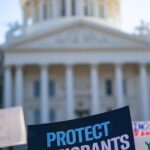
In a world where lines on maps tell stories of division as much as they do of connection, the challenge of immigration remains a complex and ever-evolving narrative. “Bridging Borders: Fresh Approaches to Immigration Solutions” invites readers to explore innovative perspectives that transcend traditional barriers. Moving beyond the politics and the paperwork, this article delves into human-centered strategies and bold ideas that redefine how societies can welcome, integrate, and empower those who journey across borders. As the global landscape shifts, so too must our responses—embracing creativity, compassion, and collaboration to build bridges where walls once stood.
Understanding the Human Side of Migration: Empathy as a Policy Foundation
At the heart of migration lies a tapestry woven with human experiences—stories of hope, resilience, and sometimes, profound hardship. When policymakers prioritize empathy, they do more than just soften the edges of legislation; they ignite a paradigm shift that acknowledges migrants not as mere statistics, but as individuals with dreams, fears, and aspirations. This human-centric perspective challenges ingrained stereotypes and fosters policies that safeguard dignity, ensuring access to healthcare, education, and community integration. Embracing empathy transforms migration management from a reactionary system into a proactive framework that cultivates inclusion and mutual respect.
Consider the multifaceted benefits that empathy-driven approaches introduce to immigration strategies:
- Enhanced social cohesion: Communities thrive when members feel valued and supported.
- Improved mental health outcomes: Recognition and understanding reduce trauma and anxiety among migrants.
- Economic vitality: When nurtured with respect, migrants contribute robustly to innovation and labor markets.
| Policy Element | Empathy-Driven Benefit |
|---|---|
| Community Engagement | Builds trust and meaningful participation |
| Cultural Sensitivity Training | Reduces conflict and enhances cooperation |
| Flexible Legal Pathways | Provides realistic opportunities for integration |

Innovative Legal Pathways: Rethinking Visa and Residency Programs
In the evolving landscape of global migration, there’s a growing necessity to craft visa and residency programs that respond dynamically to the economic, social, and cultural needs of host countries. Traditional visa categories are being supplemented by tailored pathways such as entrepreneur visas, climate migration considerations, and remote-worker residencies, which reflect the 21st-century workforce’s diversity. These innovative channels not only facilitate mobility but also encourage sustainable integration by addressing specific community contributions and long-term national goals.
One promising approach lies in the adaptive frameworks that combine flexibility with clear criteria, fostering inclusivity while safeguarding national interests. For instance, some countries have introduced points-based systems that prioritize skills, community engagement, and innovation potential. Below is a brief overview of emerging visa types reshaping immigration policy:
- Digital Nomad Visas: Allowing remote professionals to legally reside while contributing to local economies without long-term commitments.
- Climate Refugee Pathways: Addressing displacement due to environmental crises through humanitarian and resettlement programs.
- Startup and Investor Visas: Encouraging creative entrepreneurs to stimulate economic growth and job creation.
Harnessing Technology to Streamline Immigration Processes
Digital innovation is rapidly transforming the landscape of immigration management, turning what was once a labyrinth of paperwork and waiting into a more efficient, transparent, and user-friendly system. Automated platforms powered by artificial intelligence can now pre-screen applications, flag inconsistencies, and even predict processing times, allowing immigration offices to prioritize urgent cases effectively. This reduces backlogs and minimizes human error. Meanwhile, blockchain technology offers a secure way to verify identities and documentation, ensuring both authenticity and privacy for applicants across borders.
Beyond backend improvements, technology enhances the applicant experience by providing 24/7 access to personalized portals where users can track their case status, upload necessary documents, and receive real-time updates via SMS or email. Additionally, chatbots equipped with multilingual support address common queries instantly, lowering the communication barrier. The potential for these tools to reshape immigration extends to policymaking as well: data analytics can help governments better understand migration trends and tailor policies to real-world dynamics. Consider this summary of tech integration benefits:
| Feature | Benefit | Impact |
|---|---|---|
| AI Pre-screening | Speeds application review | Reduced processing time |
| Blockchain Verification | Secures identity and data | Increased trust and privacy |
| Multilingual Chatbots | Instant applicant support | Improved access and satisfaction |
| Data Analytics | Informs policy adjustment | More effective immigration strategies |
Community Integration Strategies: Building Inclusive Societies
Successful integration hinges on mutual respect and shared opportunities. Creating spaces where newcomers and established residents can engage through cultural exchanges, community projects, and local events fosters understanding beyond language and customs. Encouraging partnerships between municipal agencies, nonprofits, and businesses can streamline access to education, healthcare, and employment, laying the groundwork for a thriving multicultural environment. Language cafes, mentorship programs, and inclusive festivals serve as practical catalysts for interaction, cultivating a sense of belonging and reducing social isolation.
Tailored policies that acknowledge diverse immigrant backgrounds are vital. For instance, the table below highlights innovative approaches that have proven effective in different urban centers globally, demonstrating the value of flexibility and community input in integration processes:
| City | Strategy | Outcome |
|---|---|---|
| Toronto | Neighbourhood Welcome Committees | Increased local volunteerism by 40% |
| Berlin | Multilingual Public Services | Reduced bureaucratic hurdles by 30% |
| Sydney | Community Employment Hubs | Boosted immigrant workforce participation |
- Involve community leaders: Leverage trusted voices to engage both immigrants and native residents.
- Adapt education systems: Incorporate multicultural curricula that celebrate diversity and promote equity.
- Foster economic inclusivity: Support immigrant entrepreneurship and fair hiring policies.
Collaborative International Frameworks: Sharing Responsibility and Resources
Addressing the complexity of modern migration demands a united front where countries embrace shared responsibility. By weaving together diverse legal frameworks and pooling expertise, nations can transform immigration from a burden into a collective opportunity. This includes creating flexible policies that adapt to global shifts and integrating resources that enhance both border security and humanitarian aid. The power of collaboration lies not only in policy harmonization but in fostering trust and transparent communication channels among stakeholders, ensuring that each voice shapes equitable solutions.
Consider the multifaceted benefits of international resource-sharing, which extends beyond financial aid to include technology exchange, capacity building, and cultural integration programs. A collaborative approach nurtures resilience by aligning national priorities with regional stability goals. The following table highlights key components of successful international immigration partnerships:
| Component | Benefit | Examples |
|---|---|---|
| Policy Alignment | Streamlined processes and reduced legal conflicts | Blue Card EU, UMA frameworks |
| Resource Pooling | Enhanced infrastructure and humanitarian outreach | Joint border management, shared technology |
| Capacity Building | Skills transfer and strengthened governance | Training programs, expert exchange |
| Community Integration | Social cohesion and mutual cultural respect | Language courses, intercultural events |
Closing Remarks
As the world grows ever more interconnected, the challenge of immigration calls for innovation that transcends old boundaries—both literal and metaphorical. Bridging borders is not just about policy, but about embracing the shared humanity that links us all. Fresh approaches remind us that solutions flourish when empathy meets pragmatism, and when communities unite to pave new pathways forward. In this evolving landscape, the journey toward inclusive and effective immigration systems continues—inviting us all to rethink, reimagine, and rebuild with open minds and open hearts.