In a world where borders often symbolize division, the quest for seamless, humane immigration solutions has never been more urgent. “Bridging Borders: Innovative Paths to Immigration Solutions” explores the evolving landscape where human stories intersect with policy innovation. This article delves into creative frameworks and bold ideas that aim to transform immigration challenges into opportunities for connection, growth, and shared humanity. As we navigate this complex terrain, the search for answers lies not only in laws and regulations but in the inventive ways communities and governments come together to build bridges—literally and metaphorically—across divides.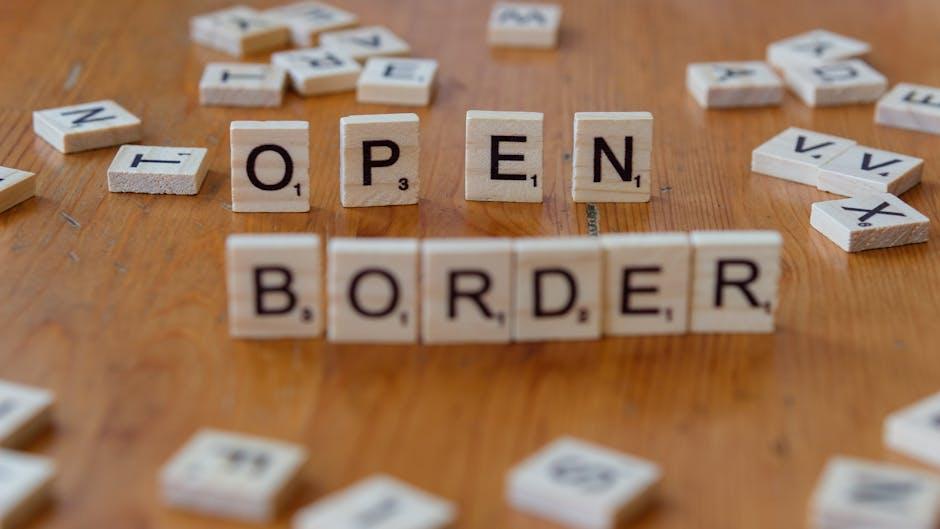
Bridging Cultures Through Inclusive Policy Design
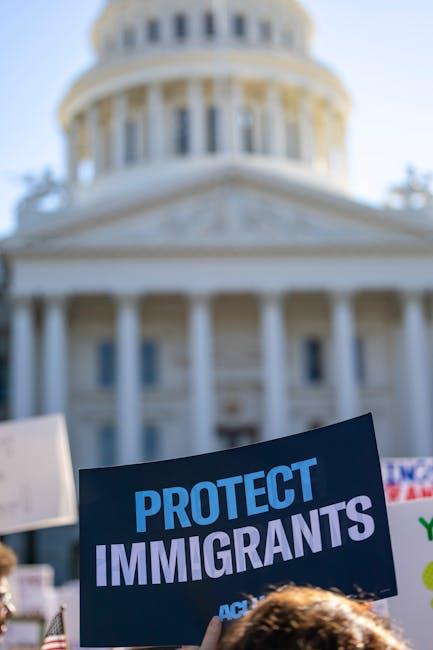
Effective immigration policies are no longer just about legal frameworks—they must embrace the rich tapestry of cultures and identities they affect. Designing policies with inclusivity at their core means recognizing and honoring diverse experiences, languages, and traditions. This approach not only fosters social cohesion but also unlocks the potential for immigrants and host communities to thrive together in an environment where respect and empathy lead the way.
Key elements that contribute to culturally inclusive policy design include:
- Multilingual communication: Ensuring vital information is accessible in multiple languages.
- Community engagement: Involving immigrant voices directly in policy development.
- Adaptive services: Tailoring support programs to accommodate cultural nuances and diverse needs.
| Policy Element | Benefit |
|---|---|
| Inclusive Language Services | Improves access to resources |
| Community Advisory Boards | Increases policy relevance |
| Cultural Competency Training | Enhances service delivery |
Harnessing Technology to Streamline Immigration Processes
Advancements in technology have revolutionized how immigration systems function, significantly reducing bureaucratic bottlenecks and enhancing transparency. Digital platforms now enable applicants to submit documents, track their status in real time, and receive instant updates through automated notifications. This seamless integration not only accelerates decision-making but also minimizes errors caused by manual processing. Governments and agencies are increasingly adopting cloud-based solutions and using artificial intelligence to predict case outcomes, allocate resources efficiently, and identify potential risks without compromising data privacy.
Several innovative tools and techniques are reshaping the immigration landscape:
- Biometric verification: Speedy and secure identity confirmation reduces fraud and streamlines border control.
- Machine learning algorithms: Predictive analytics help prioritize urgent cases and flag nepotism or discrepancies.
- Virtual interviews and AI chatbots: Provide accessible, on-demand support to applicants worldwide, breaking down language and geographic barriers.
| Tech Innovation | Function | Impact |
|---|---|---|
| Smart Document Scan | Automated validation of paperwork | Reduces processing time by 40% |
| AI Case Manager | Predicts application outcomes | Enhances resource allocation |
| Digital Interview Platform | Remote applicant evaluations | Expands reach to remote regions |
Empowering Communities with Comprehensive Integration Programs
At the heart of unlocking new possibilities for immigrants lies a commitment to holistic support systems that prioritize cultural understanding, skill development, and community engagement. Successful integration is no longer just about paperwork and legal status—it’s about building bridges between diverse cultures to cultivate mutual respect and opportunity. Programs that blend language acquisition with vocational training and social networking create a foundation where individuals feel both empowered and connected, fostering a sense of belonging that transforms neighborhoods into thriving cultural mosaics.
Essential to these transformative programs are tailored initiatives designed to address the unique challenges faced by newcomers. These initiatives often include:
- Mentorship networks pairing immigrants with local leaders and professionals
- Comprehensive cultural orientation workshops that celebrate heritage while easing adaptation
- Access to mental health support specifically attuned to immigration experiences
- Collaborations with local businesses promoting inclusive hiring practices
| Program Element | Impact |
|---|---|
| Language and Vocational Training | Increases employability and self-confidence |
| Cultural Orientation Workshops | Facilitates smoother social integration |
| Mentorship Networks | Builds essential community connections |
| Mental Health Services | Addresses emotional well-being and resilience |
Economically Sustainable Approaches to Migration
Strategic investment in education and vocational training serves as a cornerstone for economically sustainable migration. By equipping migrants with skills tailored to the economic needs of host countries, both individuals and communities can thrive. This approach prioritizes long-term labor market integration over short-term relief, fostering resilience in local economies and reducing dependency on social welfare programs.
Moreover, fostering partnerships between governments, private sectors, and NGOs creates a dynamic ecosystem where innovative solutions flourish. Consider the following economic benefits:
- Enhancement of entrepreneurship through micro-loans and incubator programs.
- Promotion of remittance channels that support both home and host economies.
- Development of cross-border labor agreements ensuring fair wages and legal protection.
| Economic Strategy | Impact | Duration |
|---|---|---|
| Skill-Based Training | Improved Employability | 6-12 months |
| Microfinance Access | Entrepreneurship Growth | Ongoing |
| Labor Agreements | Legal Protection & Stability | Multi-year |
Collaborative International Strategies for Shared Responsibility
Addressing immigration challenges through a united global approach requires embracing the power of shared responsibility among nations. By fostering transparent communication channels and mutual respect for cultural differences, countries can establish frameworks that support equitable migration flows. This holistic cooperation not only strengthens border security but also protects the human rights of migrants, creating systems where economic opportunities and humanitarian aid coexist in balanced harmony.
Effective strategies often hinge on key collaborative elements such as:
- Joint policy development that aligns legal standards and enforcement practices
- Resource sharing for infrastructure, technology, and humanitarian assistance
- Cross-border skill exchange programs to empower migrant communities and host nations alike
- Real-time data integration for proactive decision-making and crisis response
| Strategy | Purpose | Impact |
|---|---|---|
| International Labor Mobility Agreements | Facilitate legal work migration | Boost economic growth and reduce informal labor markets |
| Humanitarian Corridor Networks | Secure passage for vulnerable populations | Ensure safety and dignity during migration |
| Tech-Enabled Border Management | Streamline processing and enhance transparency | Reduce wait times and prevent exploitation |
In Retrospect
As the tides of migration continue to reshape our global landscape, the pursuit of innovative immigration solutions stands as both a challenge and an opportunity. Bridging borders is more than a political endeavor; it is a human story woven with hope, resilience, and collaboration. By embracing creativity and empathy, we move closer to pathways that honor the dignity of every individual while nurturing the shared future of our interconnected world. The road ahead may be complex, but with thoughtful innovation, it holds the promise of harmony beyond boundaries.