In a world where borders are both lines on a map and symbols of identity, the movement of people across nations tells a story as old as humanity itself. “Bridging Borders: Navigating the Flow of Global Migration” invites readers to explore the complex currents that drive migration, weaving together the hopes, challenges, and realities faced by millions seeking new beginnings. As globalization reshapes economies, cultures, and communities, understanding this dynamic flow becomes essential—not just to comprehend the changing landscape of our world, but to envision pathways toward connection, inclusion, and shared progress.
Understanding the Drivers Behind Global Migration Patterns
At the heart of global migration lies a complex interplay of economic, social, political, and environmental forces that propel millions to seek new horizons. Economic ambitions often serve as a primary motivator, drawing individuals toward regions offering better employment prospects and improved living standards. However, beyond fiscal incentives, the pursuit of safety and stability also plays a crucial role. Political unrest, armed conflicts, and human rights violations act as powerful catalysts, forcing people to leave behind their homes in search of refuge. Environmental changes, such as droughts and natural disasters, increasingly contribute to displacements that ripple across borders, reshaping demographic landscapes around the world.
Key factors influencing global migration include:
- Economic opportunity – jobs, income disparities, and quality of life
- Political instability – conflicts, persecution, and governance issues
- Environmental stress – climate change, natural disasters, and resource scarcity
- Social networks – family ties, community connections, and cultural affinity
| Driver | Impact | Example Regions |
|---|---|---|
| Economic | Labor migration & remittances | South Asia to Middle East |
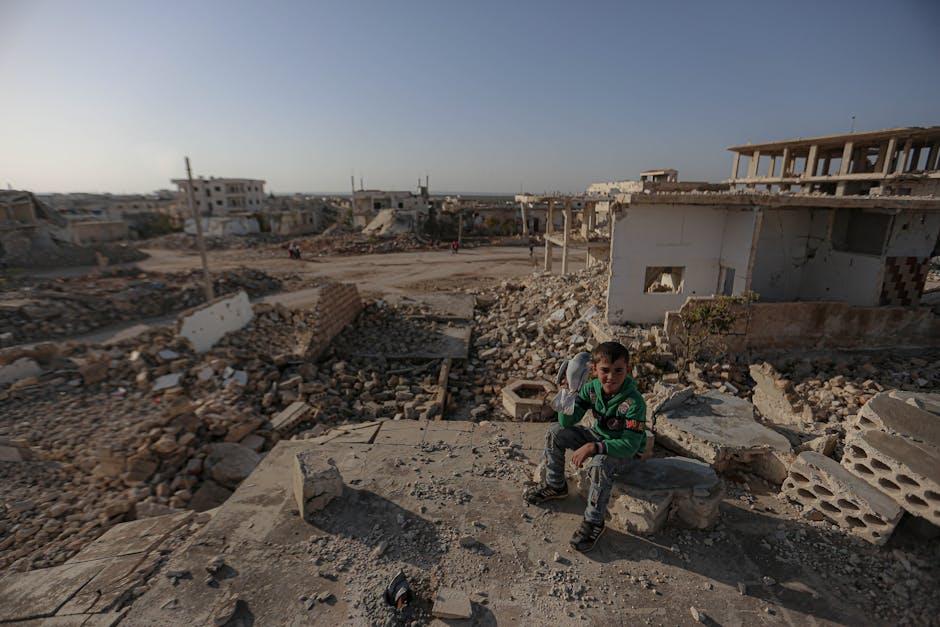
| Political | Asylum seekers & refugees | Syria to Europe |
| Environmental | Climate refugees and displacement | Pacific Islands to Australia/New Zealand |
| Social | Chain migration & cultural integration | Latin America to United States |
The Socioeconomic Impact of Migration on Host and Origin Countries
Migration weaves complex socioeconomic tapestries that reshape both the lands people leave and the communities they join. For origin countries, the departure of citizens often means a temporary reduction in the labor force, especially skilled workers, but it also ushers in vital remittances that bolster local economies, fund education, and improve healthcare access. This duality can stimulate development or, paradoxically, deepen inequalities, depending on how funds and human capital flow back home. Conversely, host countries witness a vibrant infusion of cultural diversity and labor flexibility, enriching industries and innovation but also facing challenges around integration and infrastructure.
The socioeconomic ripple effects include:
- Economic growth: Migrants contribute to both demand and supply, fueling entrepreneurship and filling critical job vacancies.
- Demographic shifts: Migration can counteract aging populations and balance demographic imbalances in host regions.
- Social cohesion: Communities experience evolving multicultural identities, requiring adaptive governance and social policies.
- Human capital exchange: Skills and knowledge flow can enhance innovation but can also create brain drain in origin countries.
| Aspect | Origin Country | Host Country |
|---|---|---|
| Economic Impact | Boost from remittances | Labor market expansion |
| Population | Potential labor force decline | Demographic rejuvenation |
| Social Effects | Family separation challenges | Cultural diversity growth |
| Policy Needs | Development and reintegration | Integration and inclusion |
Policy Frameworks Shaping Migration Governance Today
Contemporary migration policies are a complex tapestry woven from various international agreements, national laws, and regional directives. At their core, these frameworks aim to balance state sovereignty with the imperatives of human rights and economic development. Governments, international organizations, and civil society are continuously negotiating to establish protocols that manage migration flows effectively while safeguarding the dignity and rights of migrants. Central to this evolving landscape are instruments like the Global Compact for Migration, which encourages cooperation on issues ranging from border management to integration strategies.
Several key elements define the current governance of migration, which include:
- Multilateral Cooperation: Cross-border challenges necessitate collaboration among countries to combat irregular migration and trafficking.
- Human-Centered Approaches: Policies increasingly prioritize the protection and inclusion of migrants in social and economic systems.
- Flexible Legal Frameworks: Adaptability is critical as migration trends and crises fluctuate in response to geopolitical and environmental changes.
| Policy Element | Primary Focus | Global Impact |
|---|---|---|
| Regularization Programs | Legal status for undocumented migrants | Improved social integration and economic contributions |
| Border Security | Prevent unauthorized entries | Enhanced national safety, but debates on humanitarian access |
| Integration Policies | Facilitate migrant inclusion | Fosters community cohesion and diversity |
Innovative Solutions for Humanitarian Assistance and Integration
At the heart of addressing global migration challenges lies the integration of technology and empathy. Cutting-edge platforms now enable real-time tracking of humanitarian needs, ensuring aid reaches the most vulnerable with unprecedented speed and precision. These innovations are not only transforming how resources are allocated but also fostering collaboration between governments, NGOs, and local communities. By harnessing data analytics, machine learning, and mobile connectivity, stakeholders can anticipate migration patterns and design proactive interventions that support sustainable resettlement and social cohesion.
Equally important are community-centric initiatives that promote cultural understanding and economic inclusion. Programs focusing on language training, vocational skills, and civic engagement pave the way for migrants to contribute meaningfully to their new environments. Key strategies driving success include:
- Establishing mentorship networks linking newcomers with local residents
- Utilizing digital storytelling to amplify migrant voices and experiences
- Implementing flexible education systems adapted to diverse backgrounds
| Solution | Benefit | Impact Area |
|---|---|---|
| Mobile Aid Distribution | Faster & Targeted Support | Remote Settlements |
| Digital Learning Hubs | Skills & Integration | Urban & Rural Areas |
| Community Mentorship Programs | Social Bridges | Cross-Cultural Understanding |
Fostering Cross-Cultural Dialogue to Promote Inclusive Communities
Embracing the richness of diverse cultures requires more than just tolerance—it calls for active engagement and genuine understanding. When communities foster open communication channels, they create spaces where stories are shared, perspectives shift, and mutual respect flourishes. This dynamic exchange nurtures empathy, dismantles stereotypes, and paves the way for collaboration across cultural divides. Key elements to encourage such meaningful interactions include:
- Community workshops that celebrate traditions and languages.
- Dialogue circles providing safe forums for expressing experiences.
- Inclusive policymaking that invites voices from all backgrounds.
Moreover, the benefits of cross-cultural dialogue extend beyond social harmony—they enhance economic opportunities, elevate innovation, and enrich educational environments. The table below illustrates how inclusive communities compare with less integrated ones in key areas:
| Aspect | Inclusive Community | Less Integrated Community |
|---|---|---|
| Social Cohesion | High | Low |
| Economic Growth | Robust and Diverse | Limited |
| Innovative Capacity | Enhanced | Stagnant |
| Educational Opportunities | Inclusive and Accessible | Unequal |
Insights and Conclusions
As the currents of global migration continue to weave intricate patterns across our shared world, the task before us is clear: to approach these movements with empathy, understanding, and thoughtful policy. Bridging borders is not merely about lines on a map, but about connecting stories, cultures, and hopes that transcend geography. In navigating this ever-evolving flow, we hold the power to transform migration from a challenge into a collective opportunity—one where the richness of diversity becomes the fabric that unites rather than divides. The journey ahead invites us all to listen, learn, and lead with a vision that honors both the journeys and the destinations of those seeking new horizons.