In an increasingly interconnected world, the movement of talent across borders has become a defining feature of modern business. “Bridging Borders: Navigating the World of Business Immigration” explores the intricate pathways that professionals and companies traverse to unlock global opportunities. This article delves into the complexities, challenges, and transformative potential of business immigration, offering insight into how individuals and organizations adapt to diverse legal landscapes while driving innovation and growth beyond their home countries. Whether a seasoned entrepreneur or an aspiring international professional, understanding the nuances of this dynamic terrain is key to thriving in today’s borderless economy.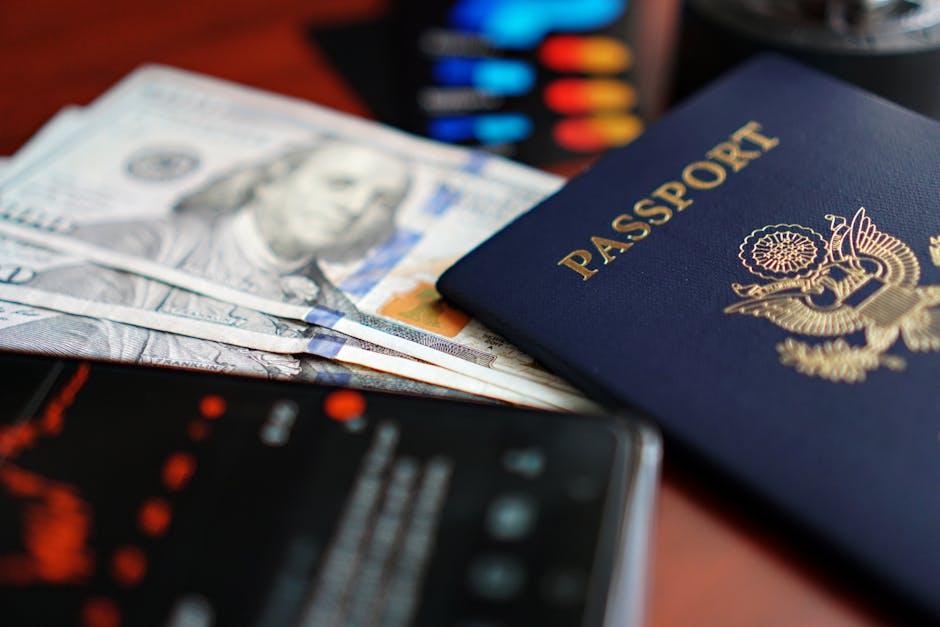
Understanding Global Business Immigration Trends
In an era where globalization defines the economic landscape, businesses are increasingly looking beyond borders to expand their horizons. The movement of entrepreneurs, skilled professionals, and investors across countries is reshaping how companies operate and innovate. Key factors driving these immigration trends include market access, talent acquisition, and favorable regulatory environments. Nations are responding by adapting their immigration policies, balancing the need to attract global talent with domestic priorities. This dynamic interplay creates a complex environment where staying informed on the latest trends is essential for success.
- Emerging markets are becoming hotspots for business immigration due to their growth potential.
- Technology firms often leverage talent mobility to accelerate innovation.
- Regulatory shifts, such as startup visas, influence relocation decisions.
- Cross-border mergers and acquisitions highlight the strategic importance of immigration.
| Region | Top Industry Attractors | Recent Policy Trends |
|---|---|---|
| North America | Tech, Finance | Expanded startup visa programs |
| Europe | Manufacturing, Green Tech | Emphasis on skilled worker permits |
| Asia-Pacific | Finance, E-commerce | Relaxed investment thresholds |

Key Legal Pathways for Cross-Border Entrepreneurs
For entrepreneurs aiming to expand their business horizons across borders, understanding the variety of legal options available is crucial. Many countries offer specialized visa programs designed specifically for business innovators, investors, and startup founders. These pathways often include investor visas, startup visas, and entrepreneur permits, each catering to different investment thresholds and business models. Leveraging these visas allows business owners to legally establish, operate, and manage their ventures while securing residency rights in their chosen countries.
Besides visas, other legal frameworks such as regional trade agreements and bilateral treaties can facilitate smoother immigration and business operations. Considerations related to tax treaties, work authorization, and company incorporation laws often vary widely from one jurisdiction to another. Below is a snapshot of common business immigration routes, highlighting key features:
| Pathway | Targeted Entrepreneur | Key Benefit |
|---|---|---|
| Investor Visa | High-net-worth individuals | Residency through capital investment |
| Startup Visa | Innovators & tech founders | Fast-track for innovation-driven ventures |
| Business Owner Permit | Small to medium business founders | Allows day-to-day management and hiring |
| Intra-company Transfer | Established companies relocating executives | Temporary work permit to expand operations |
Cultural Competency as a Business Migration Strategy
In today’s interconnected market, understanding and embracing cultural differences is more than just a courtesy—it’s a strategic business imperative. Companies that integrate cultural competency into their immigration policies not only enhance workforce cohesion but also unlock new realms of innovation and customer insight. Recognizing diverse cultural perspectives enables businesses to navigate complex international regulations with sensitivity, easing the relocation process and fostering stronger ties with global partners.
Successful business migration thrives on clear communication and mutual respect, which are foundational elements of cultural competency. Consider implementing the following to strengthen your strategy:
- Cross-cultural training programs to prepare teams for diverse work environments
- Multilingual support for smooth onboarding and integration
- Local market education tailored for migrant employees to understand regional business etiquette
| Aspect | Benefit | Application |
|---|---|---|
| Awareness | Reduces misunderstandings | Cultural workshops |
| Adaptability | Improves team dynamics | Flexible policies |
| Empathy | Builds trust | One-on-one support |
Navigating Compliance and Regulatory Challenges
Successfully managing international business mobility demands a keen understanding of ever-shifting legal frameworks. Each country brings unique regulations that influence visa eligibility, work permits, and corporate obligations. To stay ahead, companies must adopt a proactive approach by integrating compliance checks into their operational strategies. This involves routinely auditing immigration policies and fostering close collaboration with legal experts to interpret nuanced requirements, reducing risks such as fines or immigration delays.
Beyond legal adherence, strategic planning calls for embracing technology to streamline document management and reporting processes. Organizations often navigate complexities by implementing:
- Automated tracking systems to monitor visa expirations and renewals
- Centralized compliance dashboards offering real-time insights across countries
- Training programs aimed at keeping HR teams updated on regulatory changes
| Challenge | Impact | Mitigation Strategy |
|---|---|---|
| Frequent Policy Changes | Increased compliance breaches | Regular legal briefings |
| Complex Documentation | Delays in work authorization | Digital document repositories |
| Cultural Variance | Miscommunication risks | Cross-cultural training |
Best Practices for Building Sustainable International Ventures
Creating a resilient international business demands more than just understanding foreign markets—it requires a deep commitment to cultural adaptability and strategic foresight. Leaders must prioritize building teams rich in diverse backgrounds, fostering an environment where varied perspectives drive innovation and problem-solving. Equally important is the establishment of robust legal frameworks that respect local laws while safeguarding the venture’s core interests. Embracing digital tools to streamline communication, compliance, and operations creates the connective tissue necessary for a harmonious transnational enterprise.
To lay a strong foundation, consider these essential elements:
- Local Partnership Development: Collaborate with trusted local businesses to deepen market insights and access established networks.
- Sustainability Integration: Embed environmental and social responsibility into your business model to align with global standards and consumer expectations.
- Continuous Knowledge Exchange: Promote ongoing learning and exchange programs that keep teams aligned and responsive to evolving market dynamics.
| Focus Area | Key Action | Benefit |
|---|---|---|
| Legal Compliance | Regular audits and local counsel | Minimized risk and protection |
| Team Diversity | Inclusive hiring policies | Enhanced creativity and insight |
| Technology Use | Unified communication platforms | Improved efficiency and clarity |
In Summary
In a world where opportunity often speaks no single language, understanding the intricate pathways of business immigration becomes more than just a necessity—it is a bridge to new horizons. As entrepreneurs and professionals traverse borders, they weave a tapestry of innovation, collaboration, and growth that transcends geography. Navigating this complex landscape demands not only knowledge but also adaptability and vision. By embracing the challenges and possibilities that lie within business immigration, individuals and companies alike can turn barriers into gateways, forging connections that redefine the global marketplace. In bridging borders, we do not merely move between places; we build the future.