In a world increasingly defined by borders—both visible and invisible—the ties that bind us often stretch beyond lines on a map. Family-based immigration stands as a testament to the enduring human desire for connection, unity, and belonging. It is a pathway through which stories, cultures, and generations converge, creating bridges where walls might otherwise rise. Exploring the role of family-based immigration is to delve into the complexities of policy and the profound impact of personal relationships, revealing how these bonds shape societies and redefine the very notion of home.
The Human Connection Behind Family-Based Immigration
Behind every application and form lies a deeply personal story of reunion, hope, and resilience. Family-based immigration is more than just a legal process—it is the thread that weaves together lives separated by miles and time. It fuels dreams, allowing parents to watch their children grow, siblings to share lifelong memories, and spouses to build futures united. The strength of this connection reminds us that immigration policies impact more than numbers; they shape the bonds that define who we are.
Understanding these human ties highlights the importance of empathy in every step of the process. Consider the emotional layers involved:
- Separation and sacrifice: Families often endure long periods apart, navigating uncertainty with patience.
- Hope for new beginnings: Each reunion sparks not only relief but renewed determination to create a better life.
- Intergenerational support: Family members provide cultural continuity, guidance, and care across ages.
| Emotional Aspect | Impact |
|---|---|
| Separation | Challenges mental health; strengthens resolve |
| Reunion | Restores connections; sparks new opportunities |
| Support | Enhances integration and emotional stability |
Navigating Legal Pathways and Policy Frameworks
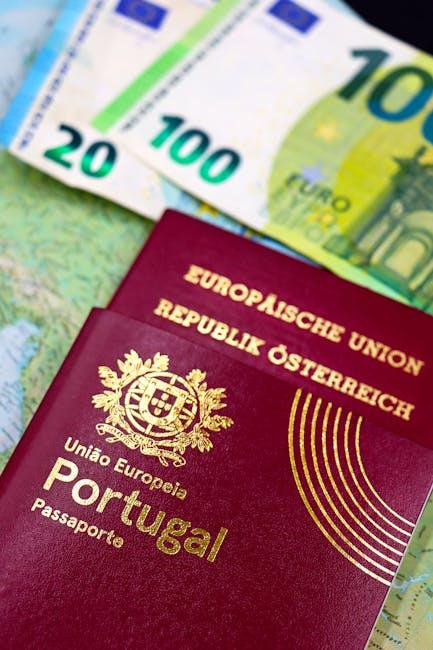
Understanding the complex web of legal pathways is essential for families seeking unity across borders. Immigration laws vary significantly from one country to another, making it imperative to navigate with precision and care. Most nations offer specific visa categories designed to prioritize family reunification, recognizing the profound social and economic benefits of maintaining family bonds. However, applicants must often comply with detailed documentation requirements and eligibility criteria. This process can include proving financial stability, establishing genuine relationships, and sometimes undergoing interviews or background checks, ensuring that the migration is both legitimate and sustainable.
Policy frameworks continue to evolve, reflecting changing societal priorities and geopolitical landscapes. Here’s a snapshot of common elements within family-based immigration policies:
- Preference Categories: Prioritization based on family relationship types (spouses, children, siblings).
- Quota Systems: Annual caps on the number of visas issued under family reunification programs.
- Processing Times: Variable waiting periods influenced by country of origin and administrative backlogs.
- Conditional Residency: Temporary visas progressing to permanent residency upon verification.
| Country | Key Family Visa Types | Average Processing Time |
|---|---|---|
| Canada | Spousal Sponsorship, Parent & Grandparent | 12-24 months |
| United States | Immediate Relative, Family Preference | 8-36 months |
| Australia | Partner Visa, Child Visa | 10-18 months |
Economic and Social Contributions of Family Reunification
Family reunification acts as a vital thread in the fabric of society, weaving together diverse cultures and experiences to foster stronger, more resilient communities. When families reunite, they bring with them not only emotional support but also economic assets that enhance local economies. These benefits manifest through increased consumer spending, entrepreneurial ventures, and a richer labor market fueled by diverse skill sets. Family ties often lead to enhanced stability and higher rates of homeownership, which in turn boost neighborhood growth and community engagement.
Beyond tangible economic impacts, the social dynamics shaped by family reunification cultivate inclusivity and bridge cultural divides. Children raised in reunited families often navigate multiple worlds, enriching schools with multicultural perspectives and encouraging empathy among peers. The following list highlights key social and economic benefits stemming from family reunification:
- Economic Stability: Dual-income households and shared resources reduce poverty risk.
- Cultural Enrichment: Preservation and exchange of traditions promote social cohesion.
- Community Development: Enhanced participation in local events and civic duties.
- Labor Market Diversity: Access to varied skills increases innovation and productivity.
| Contribution | Impact | Example |
|---|---|---|
| Entrepreneurship | Job creation and economic diversification | Immigrant-owned small businesses |
| Education | Multilingual skills and cultural awareness | Bilingual students enhancing school programs |
| Homeownership | Neighborhood stability and investment | Increased property values |
Challenges and Barriers Families Commonly Face
Immigrating through family ties is often envisioned as a straightforward path to reunification, yet families encounter a tapestry of obstacles that complicate this journey. Language barriers and complex legal requirements are just the surface challenges. Many navigate a maze of paperwork, where one missing document or a misunderstood clause can delay or even derail their aspirations. The emotional toll of prolonged separation is compounded by financial burdens, as application fees, legal consultations, and travel expenses mount. Furthermore, cultural shifts and societal prejudices often cast shadows over the hopeful dreams of newly united households, demanding resilience and adaptability from every member.
Several core difficulties frequently arise:
- Lengthy processing times that strain family dynamics and create uncertainty.
- Eligibility restrictions that may exclude certain family members or complicate sponsorships.
- Inconsistent policies which vary drastically across countries and even change with shifting political landscapes.
- Emotional and psychological stress, especially for children and elderly relatives caught between two worlds.
| Common Barrier | Impact | Potential Solutions |
|---|---|---|
| Documentation Complexity | Delays and rejections | Legal aid & detailed guides |
| Financial Constraints | Incomplete applications | Fee waivers & fundraising |
| Processing Delays | Family separation | Tracking systems & advocacy |
Strategies for Creating More Inclusive Immigration Policies
Building immigration policies that genuinely reflect the richness of global communities requires a thoughtful approach centered on empathy and connection. One transformative strategy involves expanding pathways for family reunification, recognizing that families form the cornerstone of social stability and cultural integration. By prioritizing close kinship ties in legal frameworks, policymakers can foster stronger support networks that facilitate smoother transitions and empower newcomers to contribute meaningfully to society.
Key approaches to creating inclusive frameworks include:
- Streamlining application processes to reduce waiting times and administrative burdens.
- Including extended family members who play crucial roles in caregiving and cultural preservation.
- Ensuring access to resources that support mental health and social integration for reunited families.
- Incorporating community feedback from diverse immigrant voices to shape responsive policies.
| Strategy | Benefit | Impact |
|---|---|---|
| Expedited Processing | Reduces uncertainty and emotional strain | Higher family satisfaction and stability |
| Inclusive Definitions of Family | Recognizes cultural diversity | Greater community cohesion |
| Support Services Access | Promotes mental and social well-being | Improved integration outcomes |
In Retrospect
In a world stitched together by stories of movement and belonging, family-based immigration serves as both thread and needle—binding individuals to loved ones, communities, and the dreams that transcend borders. As policies evolve and societies reckon with the complexities of migration, it remains clear that at the heart of these journeys lies a simple, enduring truth: the universal human desire to connect, to belong, and to build a life alongside those we call family. Understanding and embracing this vital role is not just an immigration issue; it is a reflection of our shared humanity.