In an increasingly interconnected world, the concept of citizenship is evolving beyond traditional boundaries. No longer confined to a single nationality, joint citizenship—or dual citizenship—is emerging as a powerful emblem of global mobility, identity, and opportunity. As more individuals navigate complex personal, professional, and cultural landscapes, the rise of joint citizenship prompts us to rethink notions of belonging and allegiance. This article delves into the multifaceted phenomenon of joint citizenship, exploring its causes, implications, and the ways it is reshaping the meaning of nationhood in the 21st century.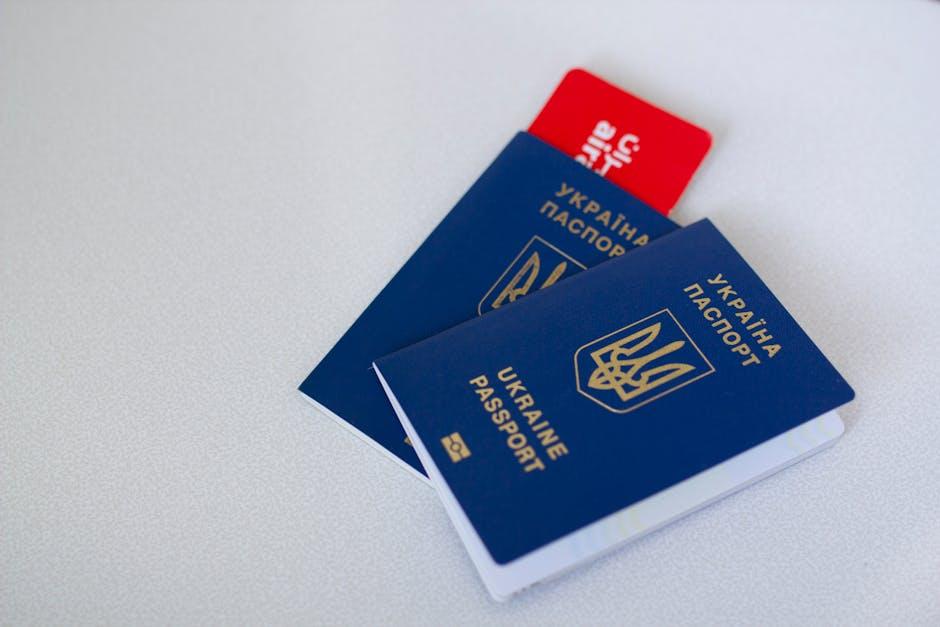
The Changing Landscape of National Identity in a Globalized World
In today’s interconnected world, the concept of national identity is no longer confined to a single geographic boundary. The rise of joint or dual citizenship reflects an evolving reality where individuals embrace multiple cultural affiliations without losing the essence of their heritage. As people migrate for work, education, or personal reasons, they often adopt new homeland ties, creating a rich tapestry of intersecting identities. This blending challenges traditional notions of singular allegiance and fosters a global mindset that values diversity and inclusion.
Several factors are driving this trend, including:
- Global Mobility: Easier travel and communication connect people across continents like never before.
- Economic Opportunities: Access to multiple markets enables greater professional and financial growth.
- Political Stability: Some seek refuge in countries offering safer environments or better governance.
- Cultural Exchange: Dual citizenship allows deeper immersion in varied traditions and social fabrics.
| Country | Dual Citizenship Policy | Approximate Dual Citizens (in millions) |
|---|---|---|
| United States | Permitted | 20 |
| Canada | Permitted | 7 |
| Germany | Restricted | 3 |
| Brazil | Permitted | 5 |

Legal Frameworks and Challenges of Joint Citizenship
As joint citizenship becomes an increasingly popular phenomenon, the legal landscape surrounding it remains a complex maze. Nations grapple with reconciling dual allegiances, which often involve conflicting obligations like taxation, military service, and political participation. Diverse legal frameworks govern these overlapping rights and duties, with some countries fully embracing dual nationality while others impose strict restrictions or outright prohibitions. The challenge lies in creating coherent policies that respect individual identities while maintaining national sovereignty and security.
Several recurring issues complicate the regulation of joint citizenship:
- Jurisdiction ambiguity: Determining which state’s laws take precedence in civil and criminal matters.
- Diplomatic protection conflicts: When competing states both claim responsibility in consular cases.
- Integration hurdles: Ensuring equal access to rights without compromising cultural cohesion.
| Country | Joint Citizenship Policy | Key Restrictions |
|---|---|---|
| Canada | Permissive | None |
| Japan | Restricted | Must choose one citizenship by age 22 |
| Germany | Conditional | Allowed mostly for EU nationals |
Economic and Social Impacts on Dual Citizens and Host Countries
Dual citizenship introduces a unique blend of advantages and challenges that ripple across both individuals and their host nations. For dual citizens, there’s a palpable expansion of economic opportunities—access to diverse job markets, cross-border investments, and entrepreneurial ventures become distinctly more feasible. This multiplicity often nurtures a robust cultural fluency, enabling individuals to act as bridges in international business and diplomacy. However, the intricate web of tax obligations, legal duties, and allegiance questions can also pose significant hurdles, requiring careful navigation to avoid conflicts or penalties.
From the perspective of host countries, the infusion of dual citizens often injects dynamism into the local economy and social fabric. Benefits such as increased foreign direct investment, cultural exchange, and diversification of skills can elevate national competitiveness. Yet, governments may face complex policy considerations related to national security, citizenship rights, and social integration. The table below encapsulates some economic and social effects that typify this intricate relationship:
| Impact Area | Positive Effects | Challenges |
|---|---|---|
| Economic Growth | Boost in trade & investment | Tax complexity & avoidance |
| Social Integration | Enhanced cultural diversity | Identity conflicts & inclusivity |
| Policy & Governance | Global diplomatic ties | Security risks & legal ambiguity |
- Economic Empowerment: Dual citizens contribute to a multifaceted economic ecosystem by leveraging resources from multiple jurisdictions.
- Cultural Synergy: They foster greater intercultural understanding and innovation within host societies.
- Policy Complexity: Governments must adapt to the evolving realities of citizenship rights and responsibilities in a globalized world.
Cultural Integration and the Role of Shared Heritage
At the heart of growing joint citizenship movements lies a profound connection that transcends mere legal status—shared heritage. This collective memory of traditions, languages, and histories fosters a fertile ground where cultural integration flourishes naturally. When individuals feel rooted in a combined heritage, the barriers of nationality begin to dissolve, paving the way for communities that celebrate dual identities without conflict. The blending of festivals, culinary arts, and storytelling often become the subtle yet powerful threads knitting these multicultural fabrics together.
- Language Preservation: Bilingual education initiatives promote mutual respect and understanding.
- Community Events: Joint cultural festivals highlight shared customs and encourage social bonds.
- Heritage Celebrations: Recognition of dual histories enriches local and national narratives.
| Aspect | Impact on Integration |
|---|---|
| Shared Language | Facilitates communication and mutual respect |
| Common Traditions | Builds community cohesion and identity |
| Collective History | Shapes inclusive historical perspectives |
In this evolving landscape, joint citizenship acts as more than a legal convenience; it becomes a symbol of interconnectedness rooted in cultural affinity. When nation-states acknowledge and support the continuity of shared heritage, they contribute to a more harmonious coexistence. This approach enables individuals to claim multiple identities confidently, thereby enriching the social fabric with diversity that is both respected and preserved. As borders blur, the fusion of cultures serves not just to broaden perspectives but to deepen the understanding of belonging itself.
Policy Recommendations for Harmonizing Joint Citizenship Practices
To effectively manage joint citizenship practices, policymakers must embrace collaborative frameworks that respect individual nations’ sovereignty while fostering a shared commitment to citizens’ rights. A key recommendation is the establishment of bilateral or multilateral councils designed to streamline decision-making, resolve conflicts, and harmonize legal standards. These councils should prioritize transparency and allow for periodic reviews, ensuring policies evolve alongside shifting geopolitical landscapes and migration trends.
Additionally, creating standardized protocols for dual nationality documentation and voting rights can significantly reduce bureaucratic hurdles. Governments could look toward implementing:
- Unified digital identity systems to simplify cross-border verification processes.
- Clear guidelines protecting social and economic benefits, such as healthcare and pensions.
- Educational initiatives to promote cultural understanding and civic integration among joint citizens.
| Policy Element | Purpose | Expected Benefit |
|---|---|---|
| Bilateral Councils | Coordinate cross-national citizenship laws | Enhanced legal clarity and reduced disputes |
| Digital Identity | Simplify identity verification | Faster processing and improved security |
| Civic Education | Build cultural and social cohesion | Stronger community belonging |
Closing Remarks
As the world grows ever more interconnected, the phenomenon of joint citizenship stands as a compelling testament to our evolving identities—no longer confined by singular borders, but enriched by multiple affiliations. Bridging cultures, legalities, and loyalties, dual or multiple citizenships reflect a modern tapestry of belonging that transcends traditional notions of nationality. Understanding this rise invites us to reconsider what it means to be a global citizen in an age where borders are simultaneously more defined and more permeable. In embracing the complexities of joint citizenship, we not only acknowledge the fluidity of identity but also open doors to new opportunities, challenges, and conversations that will shape the future of belonging itself.