In a world where borders blur and cultures intertwine, the story of global immigration unfolds like a living tapestry—complex, dynamic, and ever-evolving. “Bridging Worlds: The Changing Landscape of Global Immigration” invites us to step into this vibrant mosaic, exploring the profound shifts shaping how people move, settle, and connect across continents. From the forces that drive migration to the policies that welcome or restrict it, this changing landscape reflects not just the flow of individuals, but the blending of hopes, challenges, and new possibilities that define our shared human journey.
The Evolution of Migration Patterns in the 21st Century
Migration in the 21st century has become a dynamic tapestry woven from economic shifts, technological advancements, and sociopolitical upheavals. Unlike the mass migrations of past centuries driven primarily by industrialization or colonization, today’s movement patterns reflect a complex interplay of diverse causes. People increasingly migrate not only for employment or refuge but also for education, family reunification, and lifestyle changes, creating multifaceted narratives around global mobility. This expansion of drivers has blurred traditional corridors of movement, introducing new destinations and reshaping the global map of migration.
Modern migration routes are further influenced by digital connectivity and policy frameworks that either encourage or restrict movement. Key factors include:
- Remote work: Enabling location-independent lifestyles and seasonal migration trends.
- Climate change: Forcing communities to relocate due to environmental pressures.
- Geopolitical conflicts: Prompting shifts in asylum-seeking patterns and resettlement programs.
| Driver | Migration Impact | Regions Most Affected |
|---|---|---|
| Economic Globalization | Urban influx; skilled labor migration | North America, Europe, Asia |
| Environmental Change | Displacement; rural depopulation | Africa, Small Island Nations |
| Technology & Connectivity | Flexible migration timing; diaspora engagement | Global |
Cultural Integration and the Dynamics of Identity
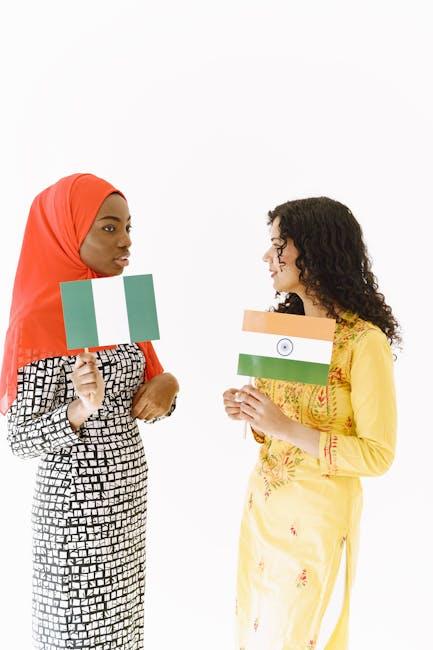
Global immigration has redefined the notion of identity, transforming how individuals perceive themselves within new cultural landscapes. As diverse communities intertwine, the process is far from a simple blending; it is a dynamic negotiation between tradition and adaptation. Individuals often carry hybrid identities that reflect experiences rooted both in their heritage and their new environment, crafting a unique cultural mosaic that challenges conventional borders of belonging.
- Language evolves as a bridge and barrier
- Customs blend to create novel traditions
- New generations navigate dual cultural expectations
These interactions foster complex social dynamics, where cultural integration is more about coexistence and mutual enrichment than assimilation. Consider the impact seen in urban centers:
| City | Dominant Immigrant Group | Unique Cultural Contribution |
|---|---|---|
| Toronto | South Asian | Multilingual festivals and cuisine |
| Berlin | Turkish | Fusion arts and culinary trends |
| Sydney | Chinese | Innovative community entrepreneurship |
Such examples showcase how evolving identities within immigrant communities enrich social fabric, prompting society to rethink identity as fluid and intersectional rather than fixed and singular.
Economic Impacts and Opportunities of Global Mobility
Global mobility reshapes economies by injecting diverse skills, talents, and innovative perspectives into host countries. Immigrants often fill crucial labor gaps in industries ranging from technology to agriculture, fostering dynamic job creation and boosting productivity. This synergy not only revitalizes local markets but also drives entrepreneurial ventures that enhance competitiveness on the world stage. Moreover, remittances sent home sustain families and communities, fueling economic growth in countries of origin and bridging wealth disparities worldwide.
The economic landscape benefits from a multifaceted exchange, where challenges coexist with promising opportunities:
- Workforce diversification: Enhances creativity and problem-solving in businesses.
- Skill transfer: Facilitates knowledge-sharing across borders, elevating industry standards.
- Investment flows: Promotes cross-border capital circulation and infrastructure development.
- Market expansion: Opens avenues for international trade and cultural exchange.
| Factor | Positive Impact | Potential Challenge |
|---|---|---|
| Labor Market | Fills critical skill shortages | Pressure on wages in low-skilled sectors |
| Innovation | Diversifies ideas and solutions | Integration barriers may slow progress |
| Capital Flow | Encourages foreign direct investment | Possible capital flight risks |
Policy Innovations for Inclusive Immigration Systems
Across the globe, policy architects are reimagining immigration frameworks to foster systems where diversity is not just acknowledged but celebrated as an asset. Embracing multidimensional strategies, governments and organizations are pioneering flexible pathways that prioritize human dignity, economic integration, and cultural synergy. These include adaptive visa categories, community-based sponsorships, and digital platforms that streamline both legal processes and social support mechanisms.
Some exemplary measures driving this evolution involve:
- Inclusive language access programs to break down communication barriers
- Cross-sector partnerships uniting public, private, and civil society actors
- Innovative labor market integration initiatives emphasizing transferable skills
- Data-driven impact assessments to continually refine policies for fairness and efficiency
| Innovative Policy | Key Feature | Impact Highlight |
|---|---|---|
| Digital Credential Verification | Instant skills validation | Accelerated job placement |
| Community Sponsorships | Local integration support | Enhanced social cohesion |
| Multi-Lingual Legal Aid | Accessible rights education | Reduced legal disparities |
Fostering Dialogue and Collaboration Across Borders
As borders become more fluid through increasing migration flows, the need for open dialogue and seamless collaboration between nations grows ever more urgent. By fostering mutual understanding through cultural exchanges and shared policy frameworks, countries can navigate the complex realities of immigration with empathy and effectiveness. These conversations spark innovative solutions that balance economic opportunity with humanitarian responsibility, reshaping global partnerships in unprecedented ways.
- Cross-sector Forums: Encouraging governments, NGOs, and private sectors to work together
- Tech-Enabled Communication: Leveraging digital platforms to connect immigrant communities and policymakers
- Policy Harmonization: Aligning immigration laws to facilitate smoother transitions
| Collaborative Element | Key Benefit | Example Initiative |
|---|---|---|
| Cultural Exchange Programs | Builds trust and mutual respect | International youth ambassador projects |
| Joint Research Projects | Informs evidence-based policies | Global migration trend analysis |
| Shared Infrastructure | Streamlines immigration processes | Cross-border service hubs |
To Wrap It Up
As the tides of migration continue to shift, the story of global immigration unfolds as a dynamic tapestry—woven with the threads of hope, challenge, and transformation. In bridging worlds, humanity finds itself not only reshaping borders but also redefining identities, communities, and futures. The changing landscape demands thoughtful dialogue and compassionate action, inviting us all to envision a world where crossing boundaries is less about division and more about connection. In this ever-evolving journey, the bridges we build today will shape the horizons of tomorrow.