
In an age defined by ever-shifting borders and interconnected lives, the movement of people across continents weaves a complex tapestry of stories, challenges, and opportunities. “Bridging Worlds: Understanding Migration and Immigration Trends” invites readers to embark on a journey through the currents of human mobility—exploring the forces that propel migration, the narratives that emerge from new beginnings, and the intricate interplay between communities old and new. As landscapes transform and cultures converge, understanding these trends is more vital than ever, shedding light on the shared dreams and realities that shape our global society.
Understanding the Historical Roots and Modern Drivers of Migration
Migration is a timeless human experience, rooted deeply in our shared history. From the early quests for fertile land to the trade routes that connected ancient civilizations, movement has always been a catalyst for cultural exchange and economic development. The enduring forces that propel migration include resource availability, environmental changes, and the relentless pursuit of opportunity. These historical patterns have shaped not only populations but also languages, traditions, and political landscapes across continents.
In today’s globalized world, the dynamics of migration are influenced by a complex web of modern drivers. Economic disparities, technological advancements, and geopolitical tensions create new pathways and challenges for migrants. The following list highlights key contemporary factors shaping migration:
- Economic Incentives: Job availability and wage differences remain powerful motivators.
- Climate Change: Environmental crises increasingly force communities to relocate.
- Political Instability: Conflicts and persecution drive asylum seeking.
- Social Networks: Existing diaspora communities provide support and guidance.
| Historical Roots | Modern Drivers |
|---|---|
| Search for arable land | Economic disparities |
| Trade and exploration | Technological connectivity |
| Conquest and colonization | Political asylum |
| Famine and natural disasters | Climate change displacement |
Examining the Socioeconomic Impacts on Origin and Destination Communities
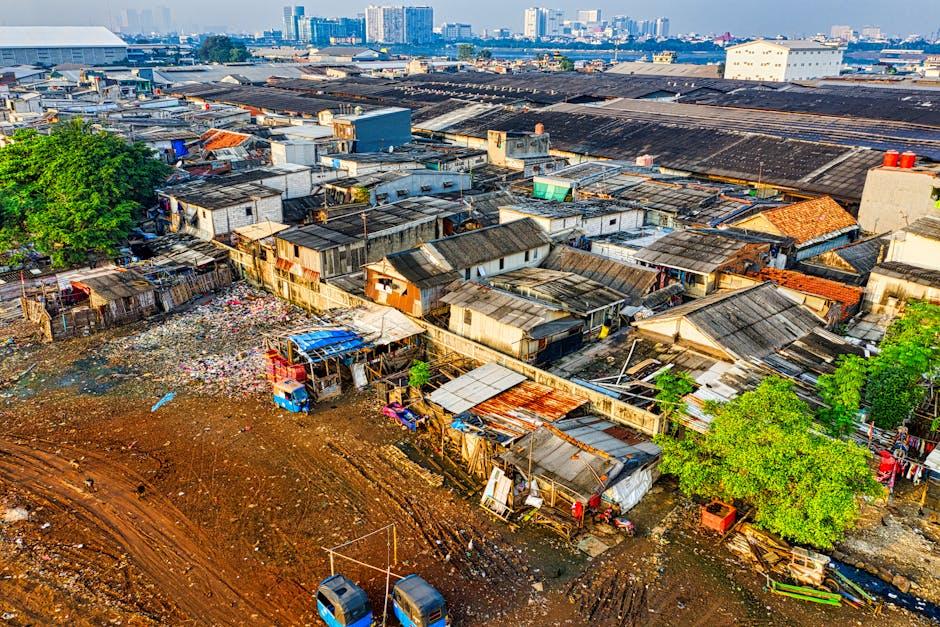
Migration significantly reshapes both the communities migrants leave behind and those to which they move, creating a dynamic interplay of challenges and opportunities. Origin communities often face a labor shortage as many of their working-age population depart seeking better prospects abroad. This exodus can strain local economies, yet it is balanced by increased remittances that fuel household incomes, education, and health services. Conversely, destination communities benefit from an infusion of diverse skills and cultures that can drive innovation and economic growth, but they must also address issues related to social integration and resource allocation.
Understanding the socioeconomic impacts requires a nuanced approach, examining variables such as employment rates, educational attainment, and social cohesion. The following table outlines key indicators that often fluctuate in response to migration flows:
| Indicator | Origin Community | Destination Community |
|---|---|---|
| Unemployment Rate | ↑ due to skilled labor drain | ↓ with migrant labor influx |
| Household Income | ↑ through remittances | Mixed impact with wage competition |
| Social Services Demand | ↓ less population strain | ↑ greater resource use |
| Cultural Diversity | Stable or decreasing | Significantly increasing |
- Origin communities often benefit financially but face demographic shifts.
- Destination communities gain economic vibrancy but need mechanisms for effective integration.
- Both face unique environmental and infrastructural pressures that require adaptive policy responses.
Navigating Policy Challenges and International Cooperation
Policy frameworks around migration often resemble a complex dance, balancing national sovereignty with global responsibility. Governments must navigate fluctuating political sentiments, economic pressures, and social dynamics to create effective policies that respect human dignity while securing borders. Collaborative agreements and adaptive strategies prove essential in addressing challenges like irregular migration, refugee protection, and labor mobility. Key actors, including multinational organizations and civil society, play pivotal roles in fostering dialogue and crafting solutions that transcend borders.
International cooperation acts as the cornerstone for harmonizing migration governance, allowing countries to share best practices and pool resources. Strategic partnerships enable the development of joint initiatives on border security, information exchange, and integration programs. Consider the table below, which highlights critical cooperation areas and their impacts:
| Cooperation Area | Benefits | Challenges |
|---|---|---|
| Border Management | Enhanced security & efficient processing | Technological disparities |
| Information Sharing | Reduced trafficking & better data accuracy | Privacy & trust issues |
| Labor Mobility Agreements | Address labor shortages & fair employment | Unequal economic gains |
Fostering Integration Through Community Engagement and Support Systems
True integration goes beyond legal paperwork and economic stability; it flourishes in the heart of community connections. By fostering inclusive environments where newcomers can actively participate, societies lay the groundwork for lasting bonds that transcend cultural divides. Key initiatives such as language cafés, mentorship programs, and cultural festivals create spaces where mutual respect and understanding thrive. These platforms not only amplify immigrant voices but also invite long-standing residents to explore diverse narratives, enriching the collective experience.
Support systems tailored to the unique needs of migrant populations are equally crucial. Accessibility to resources such as healthcare, education, and employment counseling empowers individuals to navigate unfamiliar terrain with confidence. Community centers and local NGOs often serve as pivotal hubs, bridging gaps between policy and practice. Below is a snapshot of essential support components contributing to successful integration:
| Support Component | Main Benefit | Impact |
|---|---|---|
| Language Assistance | Improves communication | Enhances social and economic opportunities |
| Cultural Orientation | Facilitates understanding of social norms | Reduces cultural isolation |
| Legal Aid | Clarifies rights and responsibilities | Ensures fair treatment |
| Job Placement Services | Supports economic independence | Boosts community contribution |
Innovative Approaches to Sustainable Migration and Immigrant Empowerment
Innovative solutions are redefining the landscape of migration by focusing on sustainability and empowerment. At the heart of these approaches lies a commitment to integrating environmental stewardship with human mobility, ensuring that migration paths do not exacerbate ecological stress but instead offer resilient models of coexistence. Communities, governments, and non-profits are embracing technology-driven platforms that facilitate skill-sharing networks, allowing immigrants to contribute to local economies while preserving their cultural identities. These platforms often feature:
- Digital mentoring programs connecting newcomers with local professionals
- Resource hubs highlighting green job opportunities tailored for immigrants
- Culturally responsive language and vocational training modules
Additionally, social enterprises are pivoting toward inclusive economic models that center immigrant agency and capacity-building. Below is a snapshot of transformative strategies currently leading the way:
| Strategy | Key Benefit | Example Initiative |
|---|---|---|
| Community-led Resource Sharing | Enhances social cohesion | Neighborhood Tool Libraries |
| Green Skills Training | Promotes sustainable employment | Urban Farming Programs |
| Digital Integration Platforms | Facilitates cultural exchange | Virtual Language Cafes |
Insights and Conclusions
As we navigate the intricate pathways of migration and immigration, we come to see that these journeys are more than mere movements across borders—they are the threads that weave our global tapestry. By embracing the stories behind the statistics, we open doors to greater understanding and empathy, bridging worlds that once seemed distant. In recognizing the shared humanity beneath diverse experiences, we not only trace the patterns of the past and present but also lay the foundation for a more connected and inclusive future. The dialogue continues, inviting us all to explore the landscapes where cultures meet, collide, and ultimately, come together.




