In a world increasingly defined by borders and boundaries, the invisible threads that connect families often stretch across continents, oceans, and cultures. Family-based immigration serves as a vital bridge, weaving together lives separated by geography but united by enduring bonds. Beyond the complexities of legal frameworks and policy debates, this pathway to reunification reflects a fundamental human desire—to belong, to belong together. This article explores how family-based immigration shapes the experiences of individuals and communities alike, highlighting its role not just as a migration mechanism, but as a cornerstone in the architecture of global kinship.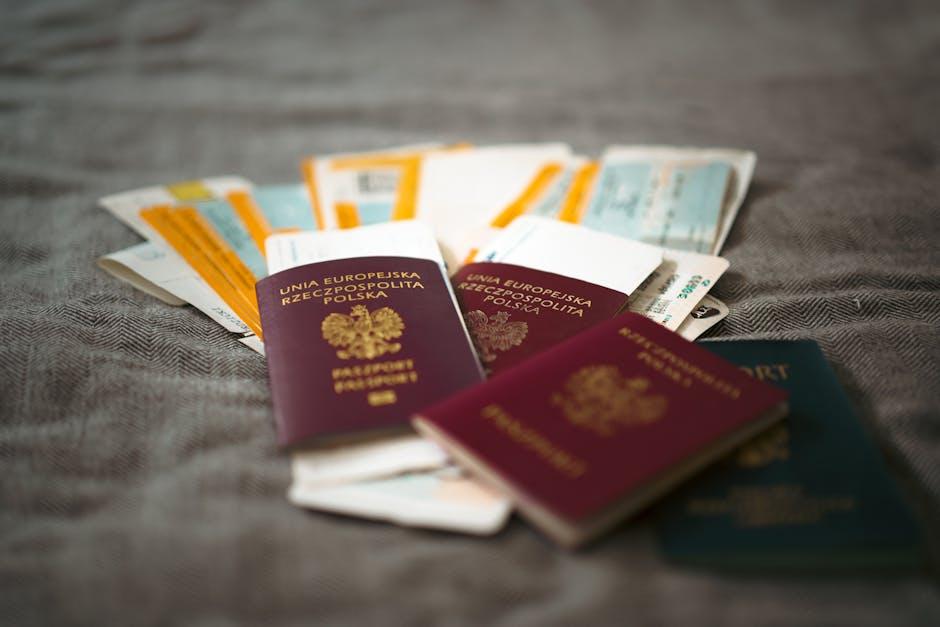
The Importance of Family Ties in Shaping Immigration Policies
Family ties serve as the cornerstone of many immigration policies worldwide, acting as a bridge that connects individuals to new opportunities while preserving cultural and emotional roots. These connections not only facilitate the reunification of loved ones but also foster social cohesion and economic stability within host countries. By prioritizing family-based immigration, policymakers acknowledge the intrinsic human need for support systems, which often determine the success of immigrants as they navigate unfamiliar environments.
Consider the multifaceted impact of family reunification:
- Emotional Well-being: Reuniting families contributes to mental health and resilience.
- Economic Contributions: Family units often pool resources and skills, boosting local economies.
- Cultural Enrichment: Maintaining traditions and languages strengthens diversity.
| Aspect | Benefit |
|---|---|
| Community Stability | Stronger neighborhoods, reduced social isolation |
| Workforce Participation | Higher employment rates among family-sponsored immigrants |
| Child Development | Improved educational outcomes with parental support |
Navigating Legal Pathways for Successful Family Reunification
Understanding the legal frameworks surrounding family reunification can be daunting, but it is crucial to preserving kinship ties across borders. Every country has its own set of immigration categories, procedural steps, and documentation requirements that applicants must navigate carefully. Key elements typically include:
- Proof of familial relationship
- Meeting income or sponsorship thresholds
- Completing medical and background checks
- Adhering to timelines for application submission
These regulations are designed not only to validate the legitimacy of the family connection but also to balance national immigration policies. Success often hinges on diligent preparation and a clear understanding of these criteria, enabling families to bridge distances legally and effectively.
| Common Visa Types | Typical Processing Time | Required Documentation |
|---|---|---|
| Spouse/Partner | 6-12 months | Marriage certificate, proof of financial support |
| Parent/Child | 8-18 months | Birth certificates, guardianship documents |
| Other Relatives | Varies | Proof of relationship, legal affidavits |
Employing expert guidance or legal counsel can further simplify this journey, helping families anticipate challenges and avoid common pitfalls. By tailoring the approach according to individual circumstances, applicants can better align with immigration authorities’ expectations — ultimately enhancing the chance of a positive reunification outcome.
Cultural and Emotional Benefits of Bringing Families Together
Uniting family members across borders not only restores the physical presence of loved ones but also preserves the intricate cultural tapestries that define each family’s heritage. When families reunite, traditions are passed down naturally, enriching the lives of younger generations with stories, customs, and values that might otherwise fade away. This cultural continuity fosters a deeper sense of identity and belonging, strengthening roots even in foreign lands. Immigrant families often become cultural ambassadors in their new homes, bridging communities through shared celebrations, cuisine, and language.
Beyond the cultural aspect, the emotional uplift from family reunification is profound. The comfort of having a support system close by provides stability and resilience against the challenges of adapting to a new country. Emotional bonds recalibrated through laughter, shared memories, and everyday support cultivate mental well-being, which is crucial for successful integration. Benefits include:
- Improved mental health: Reduced feelings of loneliness and anxiety through daily familial interactions.
- Stronger community ties: Families contribute collectively to social cohesion and neighborhood vitality.
- Support networks: Practical help in childcare, education, and navigating local systems.
Challenges and Solutions in Family-Based Immigration Processes
Family-based immigration often navigates a labyrinth of legal complexities, emotional strain, and prolonged waiting periods. Applicants must grapple with stringent documentation requirements, language barriers, and unforeseen delays caused by shifting immigration policies. These hurdles can sometimes stretch relationships to their limits, as uncertainty looms over the future of loved ones separated by borders. Moreover, the financial burden associated with application fees, legal assistance, and travel costs adds an additional layer of stress that can affect the family’s overall wellbeing.
To overcome these challenges, a strategic combination of thorough preparation, legal guidance, and community support proves essential. Effective solutions include:
- Comprehensive Documentation Checklists: Ensuring all paperwork is accurate and complete before submission minimizes the risk of rejection or delays.
- Professional Legal Counseling: Seeking advice from immigration experts provides clarity and navigates changing laws efficiently.
- Peer Support Networks: Connecting with others undergoing similar journeys offers emotional resilience and practical tips.
- Regular Status Monitoring: Utilizing technology to track application progress helps families stay informed and prepared for next steps.
| Challenge | Solution | Benefit |
|---|---|---|
| Lost or incomplete documents | Detailed checklist and early collection | Speeds up processing time |
| Policy changes mid-process | Access to updated legal counsel | Reduces risk of non-compliance |
| Emotional stress | Engagement in support groups | Strengthens mental well-being |
| Financial constraints | Budget planning and grant search | Lessens economic pressure |
Strategies for Advocates to Support Families Across Borders
Advocates play a pivotal role in bridging the gap between families divided by borders. To effectively support these families, it’s crucial to develop a deep understanding of both the legal frameworks and the emotional landscapes involved. One strategy is to create culturally responsive resources that cater to diverse family dynamics, empowering advocates to provide tailored guidance. Emphasizing active listening and empathic communication ensures families feel heard and understood during often complex and stressful immigration processes.
Moreover, collaboration with community organizations and legal experts strengthens advocacy efforts. This includes building networks that offer holistic support—ranging from legal aid to mental health services. Advocates should also promote awareness of alternative visa options and timely petition filing by guiding families on eligibility requirements and documentation. Consider the table below outlining some practical approaches:
| Approach | Benefit |
|---|---|
| Multilingual Resource Materials | Breaks language barriers |
| Partnership Networks | Expanded support services |
| Workshops & Webinars | Improved legal literacy |
| Personalized Case Management | Focused family advocacy |
Final Thoughts
As the world continues to weave an ever more intricate tapestry of cultures and communities, family-based immigration remains a vital thread binding individuals across borders. It serves not only as a pathway for reunification but as a bridge fostering understanding, resilience, and shared hope. In recognizing the profound role these connections play, we are reminded that beyond policies and procedures lie stories of belonging—stories that build stronger, more compassionate societies wherever they find their home.